

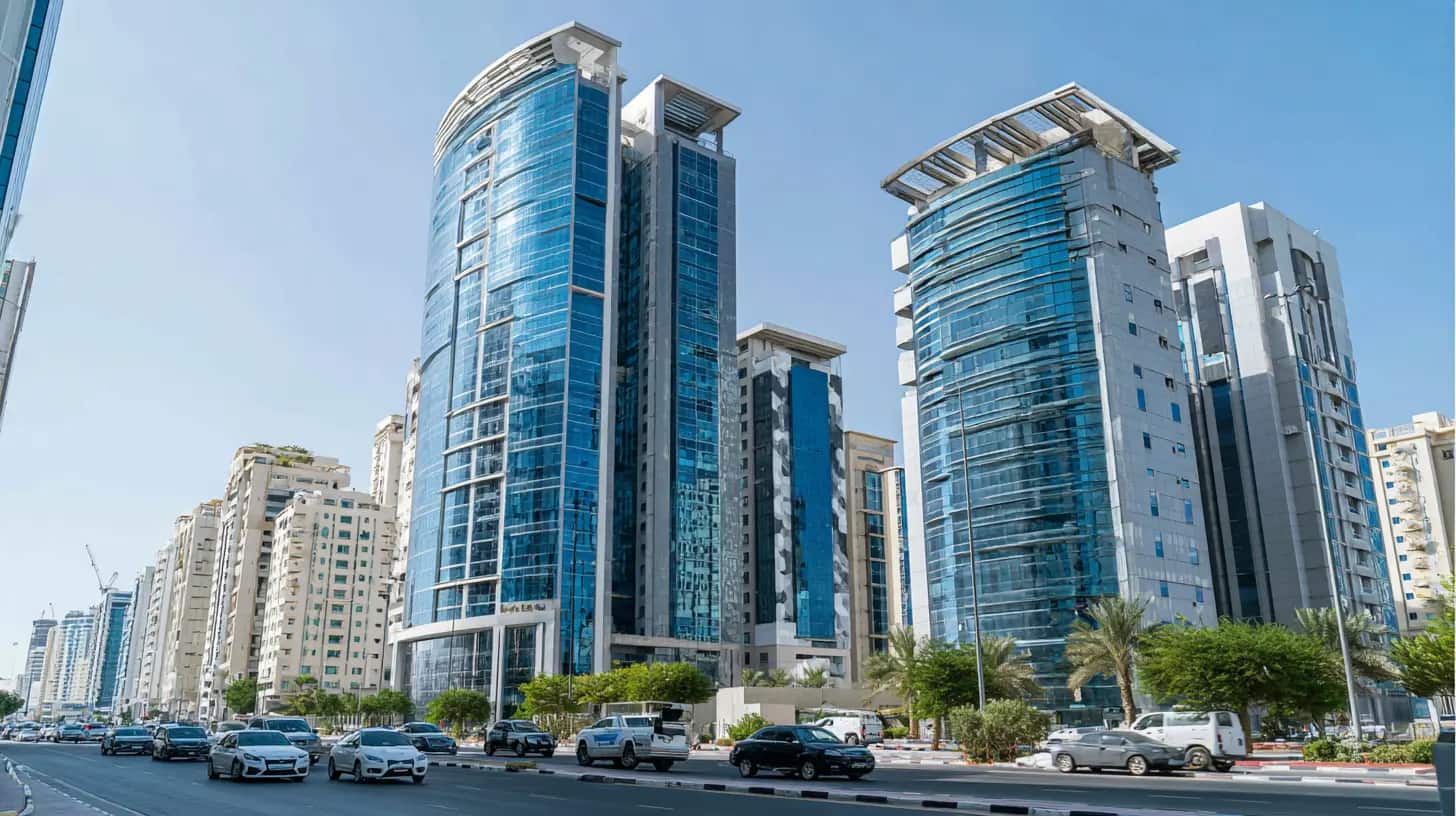
Affordable Areas to Buy Property in Ajman
Ajman Is the UAE's Best-Kept Property Secret. That's Changing Fast. The majority of discussions of UAE property investment start and end with Dubai, with occasional references to Abu Dhabi.
Ajman Is the UAE's Best-Kept Property Secret. That's Changing Fast.
The majority of discussions of UAE property investment start and end with Dubai, with occasional references to Abu Dhabi. Ras Al Khaimah has recently been included in such discussions following the Wynn announcement, whereas Ajman, the smallest of the seven emirates, hardly ever features in conversations. This appears to be no longer the case.
Ajman has been providing some of the best gross rental yields in the UAE over the past few years without much fanfare. Prices that would be considered laughably low by those in Dubai—AED 150,000 to AED 250,000 for a studio apartment, AED 250,000 to AED 450,000 for a one-bedroom apartment, and AED 350,000 to AED 650,000 for a two-bedroom apartment—are yielding 8% to 12% in the right communities. These figures are very attractive to investors who are interested in maximizing rental returns rather than capital growth.
Context is everything, and Ajman is not Dubai. It has less infrastructure, fewer developers, and a less-developed secondary market and capital appreciation story, and it is not Dubai, which is just forty minutes away by car. If you are looking at Ajman and expecting a Palm Jumeirah-type model of growth and pricing, then you will not find it here. If you are looking at Ajman for what it is—a relatively affordable and liveable emirate with a real population and real rental requirements, and entry prices that allow for a positive cash flow at almost every budget level—then you will find a market that works on its own terms.
Ajman has implemented a model of freehold property ownership, progressively from 2008, allowing for property ownership by non-UAE nationals in designated areas of Ajman. This, combined with Ajman’s relatively simple and transparent regulations, has created a property investment model for a burgeoning class of international and UAE-resident property investors who cannot afford property in Dubai and see Ajman as a viable alternative with real investment potential.
This article will outline specific areas of Ajman where we believe there is optimal investment potential and where we will outline specific figures, risks, and what it means to invest in Ajman in 2026.
Understanding Ajman's Property Market Structure
Before getting into specific areas, the structural characteristics of Ajman's property market are worth understanding because they shape how every investment in the emirate needs to be evaluated.
Ajman is geographically small — approximately 260 square kilometres — and its residential property market is concentrated in a relatively small number of areas. Unlike Dubai, where dozens of distinct communities are spread across hundreds of square kilometres, Ajman's investable market is compact and most of the relevant activity is within fifteen minutes of the city centre.
The freehold designated areas in Ajman include Al Nuaimiya, Al Rashidiya, Ajman Corniche, Al Hamidiya, and several other zones. Not all Ajman property is available to non-nationals — the freehold designation matters and should be confirmed for any specific plot or building before purchase.
The developer landscape is thinner than Dubai. Ajman's residential market is dominated by a smaller number of local developers — Ajman Real Estate Regulatory Agency (ARRA) oversees the market — alongside some UAE-wide developers who have moved in as the market has grown. Build quality varies significantly more than in Dubai, where established developers have set consistent benchmarks. Due diligence on the specific building and developer is more important in Ajman than in a market with tighter baseline quality standards.
The tenant base in Ajman is predominantly working and middle-income — government employees, healthcare workers, teachers, blue-collar workers in the industrial zones, and a significant number of residents who commute to Sharjah or Dubai for work but choose Ajman for its lower cost of living. This tenant profile is stable and consistent but is more sensitive to rental price increases than Dubai's more affluent tenant base.
According to Ajman Real Estate Regulatory Agency's 2024 Market Performance Report, total residential transaction volumes in Ajman increased 28% year-on-year, with freehold transactions by non-nationals representing 34% of total volume — up from 22% three years earlier. That directional shift is meaningful for investors considering the market's trajectory.
Al Nuaimiya: The Investment Heartland
Al Nuaimiya is the area that most Ajman property investment analysis begins and ends with — and for good reason. It is the most developed, most liquid, and most tenant-active residential area in the emirate. If you are buying your first Ajman investment property and want the simplest path to rental income with the lowest vacancy risk, Al Nuaimiya is where you start.
The area sits in central Ajman, close to the main commercial district, with reasonable road access to Sheikh Mohammed Bin Zayed Road — the arterial highway that connects Ajman to Sharjah and Dubai. Commuter tenants who work in Sharjah or Dubai find the location workable, particularly for those working in industrial and logistics areas of Sharjah that sit close to the Ajman border.
Residential stock in Al Nuaimiya is predominantly apartment buildings — mid-rise blocks ranging from five to fifteen floors, built across several decades, with the newer stock from the 2015 to 2023 period offering meaningfully better build quality and amenity than the older buildings. The price differential between old and new stock is real but not dramatic — investors need to decide whether the higher yield on older stock (which often runs 10% to 12% gross) justifies the higher maintenance exposure and lower tenant retention that typically comes with aging buildings.
Current pricing in Al Nuaimiya:
- Studios: AED 160,000 to AED 280,000
- 1-bed apartments: AED 280,000 to AED 420,000
- 2-bed apartments: AED 380,000 to AED 600,000
Gross yields in Al Nuaimiya run 8% to 11% for well-located one and two-bedrooms. Occupancy in established buildings with good management is consistently above 85%, and annual renewal rates among stable tenants are high — the affordability of the area means tenants who find a good apartment at a fair rent tend to stay.
The liquidity concern that applies to Ajman generally is less severe in Al Nuaimiya than in other parts of the emirate — it's the most traded area and the secondary market is more active. Investors who need flexibility to exit have better options here than in newer, less-established zones.
Ajman Corniche: When Location Beats Price
The Ajman Corniche stretches for approximately five kilometres along the Gulf coast, running through the emirate's waterfront and connecting the city centre to the residential areas to the north. It is not the Palm Jumeirah — the scale is different, the infrastructure is more modest, and the developer quality is less consistent. But it is a genuine waterfront, with sea views, walking promenades, and a residential character that attracts a different tenant profile from the inland communities.
Corniche-facing apartments command premiums of 20% to 35% over comparable inland stock in Ajman — a premium that is similar in percentage terms to what waterfront commands in Dubai, reflecting the universal value that people place on sea access and views regardless of the city's size.
Entry prices on the Corniche are higher than Al Nuaimiya but still remarkably accessible by any regional standard:
- 1-bed Corniche-facing: AED 350,000 to AED 550,000
- 2-bed Corniche-facing: AED 500,000 to AED 800,000
- 3-bed Corniche-facing: AED 700,000 to AED 1.2 million
Yields on Corniche product are slightly lower than Al Nuaimiya — 7% to 9% gross — because the capital values reflect the view premium while rental rates are constrained by the market's overall income level. The Corniche is a better capital appreciation play than the inland communities, and the most defensible of Ajman's residential locations for investors who want a long hold with reasonable income in the interim.
The short-term rental market on the Ajman Corniche is more active than anywhere else in the emirate. UAE residents from Dubai and Sharjah use Ajman as a budget beach destination, and Corniche apartments with sea views generate consistent short-term demand during weekends and national holidays. Professional short-term rental management is less developed in Ajman than in Dubai — investors running holiday home strategies here need to be more hands-on or use a Dubai-based operator willing to manage the Ajman portfolio.
Helal Al Marri, Director General of Dubai's Department of Economy and Tourism, referenced the Northern Emirates' growing domestic tourism appeal in a 2024 strategy briefing, noting that "Ajman and RAK are absorbing a growing share of the UAE's domestic short-break tourism market as Dubai's hotel prices have risen." That observation is supported by occupancy data on Ajman Corniche short-term rentals, which has improved meaningfully since 2022.
Al Rashidiya: Emerging Value
Al Rashidiya sits on the outskirts of Ajman's main urban area, bordering Sharjah's eastern districts. It's newer in character than Al Nuaimiya — more recent construction, more green space, wider roads — and has been developing steadily as Ajman's residential footprint has expanded outward.
The investment case for Al Rashidiya is primarily a value proposition. Entry prices are among the lowest in the emirate's investable market:
- Studios: AED 140,000 to AED 220,000
- 1-bed apartments: AED 220,000 to AED 360,000
- 2-bed apartments: AED 320,000 to AED 500,000
Gross yields are strong at 9% to 12% for well-managed stock. The tenant base is similar to Al Nuaimiya — working and middle-income residents who value the affordable rents and reasonable proximity to Sharjah employment centres.
The risk in Al Rashidiya is liquidity. The secondary market is thinner than Al Nuaimiya and significantly thinner than Dubai. Investors who buy in Al Rashidiya for yield need to plan for a hold period — exiting quickly in a down market may require accepting pricing below expectation. The community is still maturing in terms of retail and service infrastructure, which affects both tenant demand quality and the tenant demographic profile.
New supply in Al Rashidiya has been active and will continue to be. The low land costs and development-friendly regulatory environment in outer Ajman have attracted multiple smaller developers launching projects at AED 500 to AED 800 per square foot. That ongoing supply keeps rental rate growth modest and means that building selection — choosing stock in well-managed buildings with established tenant bases over newer, cheaper launches — matters more here than in more supply-constrained areas.
Al Hamidiya: Family Demand and Villa Stock
Al Hamidiya is Ajman's primary villa community — the area where families looking for ground-floor living with garden space and a quieter residential environment concentrate. It sits between Al Nuaimiya and the Ajman-Sharjah border, and its character is more suburban and lower-density than the apartment-dominated areas of central Ajman.
The investor case for Al Hamidiya is different from the apartment market. Villa yields are lower — 5% to 7% gross — but the tenant profile is more stable. Families with children who have settled their kids into local schools and established routines in the community stay for three to five years routinely. The maintenance profile is higher than an apartment but the void costs are lower.
Current villa pricing in Al Hamidiya:
- 3-bed villas: AED 1.2 million to AED 2.2 million
- 4-bed villas: AED 1.8 million to AED 3.2 million
- 5-bed villas: AED 2.5 million to AED 4.5 million
These prices sit well below comparable Dubai villa communities — a three-bedroom villa in Ajman at AED 1.5 million would be a townhouse in JVC or a very peripheral Dubai Hills option. For families who want space and can tolerate the commute to Dubai or Sharjah, the value proposition is compelling on a square-footage basis.
Capital appreciation in Al Hamidiya has been modest — 15% to 25% since 2020. The area lacks the development-stage catalysts that drive stronger appreciation elsewhere. What it offers instead is a stable asset with reliable income and very low vacancy in a market where the tenant base has few alternatives at the price point.
Gaia Realty Original Research: Ajman Investment Snapshot, Q1 2026
Based on Ajman Land Department transaction records, ARRA market data, and active listing analysis as of Q1 2026.
Capital values and gross yields by area and product type:
- Al Nuaimiya 1-bed: AED 280K to AED 420K, yield 8% to 11%, occupancy avg. 87%
- Al Nuaimiya 2-bed: AED 380K to AED 600K, yield 7.5% to 10%, occupancy avg. 85%
- Ajman Corniche 1-bed: AED 350K to AED 550K, yield 7% to 9%, occupancy avg. 83%
- Ajman Corniche 2-bed: AED 500K to AED 800K, yield 7% to 8.5%, occupancy avg. 81%
- Al Rashidiya 1-bed: AED 220K to AED 360K, yield 9% to 12%, occupancy avg. 84%
- Al Hamidiya 3-bed villa: AED 1.2M to AED 2.2M, yield 5% to 7%, occupancy avg. 90%
Capital appreciation since 2020 by area:
- Ajman Corniche: 25% to 40%
- Al Nuaimiya: 20% to 35%
- Al Rashidiya: 15% to 30%
- Al Hamidiya villas: 15% to 25%
Average days on market for secondary sales in 2025:
- Al Nuaimiya apartments: 38 days
- Ajman Corniche: 45 days
- Al Rashidiya: 52 days
- Al Hamidiya villas: 61 days
Transaction volume growth 2023 to 2025:
- Total Ajman residential transactions: up 28%
- Non-national freehold purchases: up 54%
- Off-plan transactions as share of total: up from 18% to 29%
The Risks Specific to Ajman
Ajman's investment case is real. So are its specific risks, and they're different in character from Dubai's risks.
Liquidity is the most significant. Ajman's secondary market is thin relative to Dubai. When you need to sell — particularly in a hurry — you are working with a shallower buyer pool and longer average days on market. Investors in Ajman need to be genuinely comfortable with a longer hold horizon and should not need to be able to exit quickly.
Build quality variance is higher than in Dubai. The regulatory framework for construction quality in Ajman has improved but still produces more variance across the developer landscape than Dubai's more tightly regulated market. Buildings from established developers with track records in the emirate are significantly safer bets than projects from first-time Ajman developers offering headline prices.
Tenant income sensitivity is real. Ajman's tenant base earns less on average than Dubai's. When economic conditions tighten and discretionary income falls, Ajman tenants are more likely to move to cheaper accommodation, negotiate hard on renewals, or share units in ways that strain the property. This risk is managed through building selection — choosing properties in well-managed buildings with screened tenant processes.
Infrastructure gaps still exist in some areas. Al Rashidiya and outer Ajman zones have road and service infrastructure that lags behind the central areas. This affects both rental demand quality and the tenant demographic profile, and it creates a ceiling on how much you can charge and whom you can attract.
Regulatory differences from Dubai and Abu Dhabi matter. ARRA's processes for dispute resolution, registration, and developer accountability are not identical to RERA. Buyers should familiarise themselves with Ajman's specific framework before transacting, particularly for off-plan purchases.
Our Ajman listings cover current available stock across these communities for buyers who want to see what's actually on the market today.
Questions People Ask About Buying Property in Ajman
Can foreigners buy freehold property in Ajman?
Yes, in designated freehold zones including Al Nuaimiya, Al Rashidiya, Ajman Corniche, and Al Hamidiya. Always confirm freehold status on the specific plot with ARRA before purchasing.
Is Ajman property a good investment compared to Dubai?
Different profiles. Ajman wins on yield — 8% to 12% versus Dubai's 5% to 8%. Dubai wins on capital appreciation, liquidity, and secondary market depth. Ajman suits income-focused investors. Dubai suits total-return investors.
What's the minimum budget to buy in Ajman?
Studios in Al Rashidiya start around AED 140,000. That is genuinely the UAE's most accessible property entry point. One-bedrooms in Al Nuaimiya start around AED 280,000. Both are fully freehold and mortgageable.
Are there mortgages available for Ajman property?
Yes, though fewer lenders offer Ajman-specific products than Dubai products. Emirates Islamic, Ajman Bank, and some other UAE lenders are active in the Ajman mortgage market. LTV ratios and rates are broadly similar to Dubai — UAE Central Bank rules apply nationally.
How far is Ajman from Dubai?
Around 40 to 50 minutes by road from central Ajman to central Dubai outside peak hours. During morning rush hour, Sharjah traffic can push this to 70 to 90 minutes. The commute is manageable for many tenants but is the most cited reason that Dubai-employed tenants choose Sharjah over Ajman.
Is short-term rental viable in Ajman?
On the Corniche, yes — domestic tourism demand from UAE residents is real and growing. Inland communities are harder. You need a DTCM-equivalent licence from Ajman Tourism — the process is less streamlined than Dubai's but workable.
What's the Golden Visa situation for Ajman property buyers?
Federal rules apply. Purchases above AED 2 million qualify for the 10-year Golden Visa regardless of which emirate the property is in. Most Ajman properties sit below that threshold, so the Golden Visa benefit is less relevant here than in Dubai or Abu Dhabi.
How does Ajman compare to Sharjah for property investment?
Similar yield profiles but different characters. Sharjah is larger, more established, and has better transport links to Dubai. Ajman has lower entry prices and a slightly simpler regulatory environment. Both are credible yield plays for income-focused investors.
Is off-plan safe in Ajman?
More cautious approach warranted than in Dubai. ARRA has escrow requirements but enforcement history is shorter. Stick to developers with completed projects in Ajman and confirm escrow arrangements independently before paying anything.
What are service charges like in Ajman?
Lower than Dubai. Typically AED 5 to AED 12 per square foot annually, compared to AED 12 to AED 25 in comparable Dubai communities. Lower service charges improve net yield meaningfully — factor this into comparisons with Dubai product.
Can I manage an Ajman property remotely?
Possible but harder than Dubai. The professional property management ecosystem is less developed. A handful of Dubai-based management companies extend coverage to Ajman. Self-management requires more direct involvement than in a market with deeper service infrastructure.
What's the biggest mistake investors make in Ajman?
Buying on yield headline without checking building management quality and developer track record. A 12% gross yield in a poorly managed building with high vacancy and maintenance issues nets significantly less. Inspect the building, check occupancy, talk to existing tenants if possible.
Ajman's Numbers Are Real. The Commitment Required to Make Them Work Is Also Real.
The yields represented here are not marketing figures. They are transaction-verified, ARRA-documented returns that a hardworking investor can achieve through careful property selection and professional management. Studios and one-bedroom apartments returning 9% to 11% gross in a zero-tax environment, at prices accessible only to those who have been paying attention to Dubai's real estate growth from afar, represent a tremendous investment opportunity.
What is required here is an honest recognition of what Ajman is not: It is not Dubai. It has lower liquidity, lower infrastructure, lower income earners, and lower capital appreciation growth measured in tens of percent instead of hundreds of percent. But for those willing to look beyond those deficiencies and purchase in the right communities—the stability of Al Nuaimiya, the waterfront of the Corniche, maximum yield of Al Rashidiya, and stability of family-based tenants of Al Hamidiya—for those who are willing to put in the hard work of professional management, Ajman has a market that consistently delivers on its promise.
The investor who has trouble in Ajman is the investor who treats Ajman as a discounted version of Dubai and not as a real estate market in its own right, with its own set of rules and requirements and expectations and exit strategies. The framework for investment success in Dubai needs to be adjusted for Ajman, not merely reduced.
Ajman should not be ignored in 2026. Transaction data show us a real estate market that is expanding in both size and international investor participation. The yield model is as strong as ever. And the entry prices, in a region where all other real estate investment opportunities have seen prices significantly re-rate since 2020, remain genuinely accessible in a manner that provides real opportunities for those willing to put in the hard work necessary for investment success.
If you want to explore specific properties and communities in Ajman in more detail, our team covers this market alongside Dubai and Abu Dhabi. Reach out and we'll take it from there.
Related stories
Dubai's Established Charm: The Case for Older Homes
In a city focused on the future, I believe the smartest move for many buyers is to look back. Dubai's seasoned communities offer space, character, and surprising value that new builds often can't match.

The True Cost of Owning a Dubai Property
Beyond the purchase price, your annual budget for a Dubai home must account for service charges, utilities, and maintenance. I'll break down every ongoing expense you need to plan for.
Calculating ROI on Dubai Rental Upgrades
As a landlord in Dubai, you can't just follow trends. I'll show you how to calculate the precise ROI of minor property upgrades to genuinely increase your rental yield.
Echoes, in your inbox
One thoughtful email a month. Market insight, new launches, no spam.