

Developer Funding & Escrow in Dubai
A deep dive into Dubai's escrow account system and the measures protecting your off-plan property investment. Learn how to assess developer financial stability and secure your funds.

The promise of buying off-plan in Dubai is potent, but so is the underlying anxiety. My guide to navigating the system that protects your capital, and how to spot the risks that remain.
As we dissect this critical topic, here's the ground we will cover:
- The post-2008 regulatory framework built to protect buyers.
- How Dubai's mandatory escrow account system actually works.
- The DLD's direct role in project funding and oversight.
- The developer's financial obligations before a single unit is sold.
- Practical steps for your own financial due diligence on a developer.
- Analysing payment plans as a proxy for developer health.
- Understanding the legal contracts that bind your purchase.
- What happens if a project stalls or is cancelled.
The Ghost of 2008: Why Regulation is Dubai's Bedrock
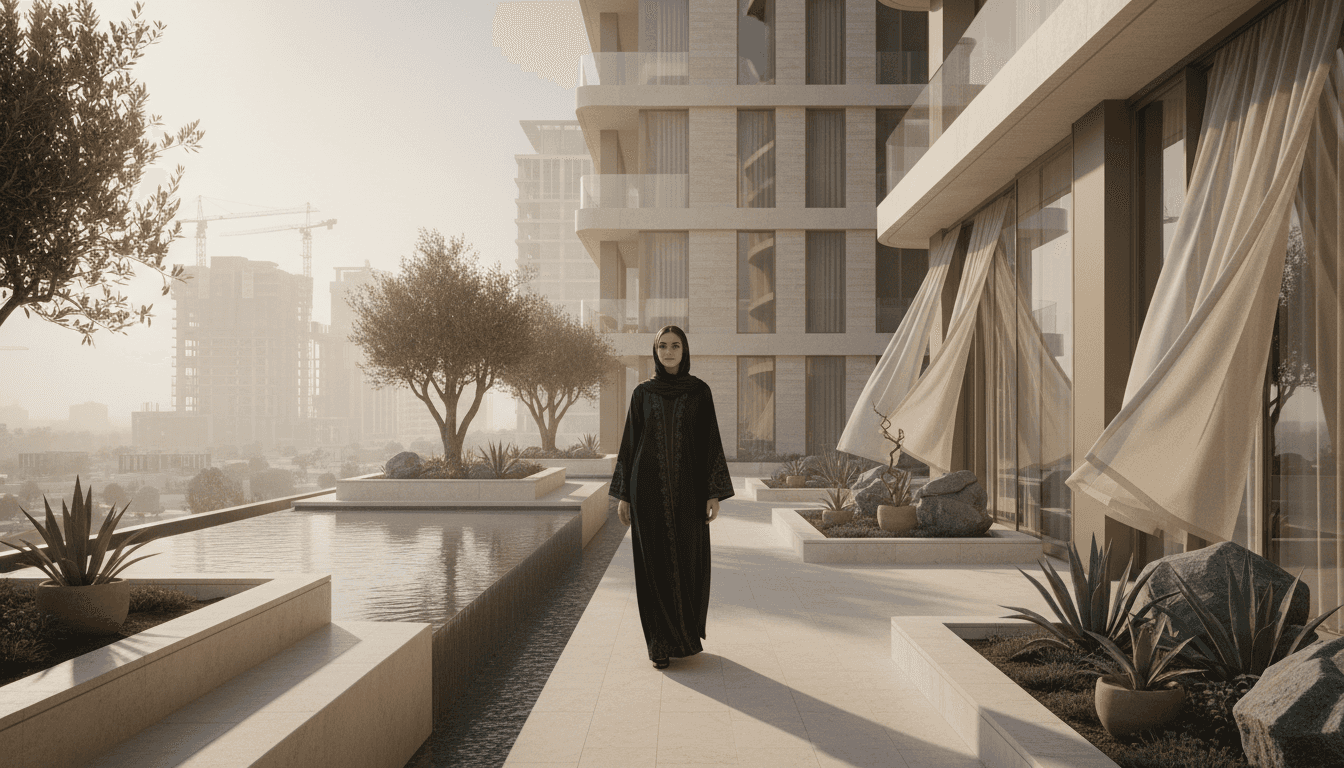
Anyone who was in Dubai during the 2008 global financial crisis remembers the landscape of stalled cranes and half-finished towers. It was a painful, formative period for the city's property market. The crisis exposed the dangers of an unregulated off-plan sector, where buyer funds were sometimes mismanaged or diverted, leaving investors with catastrophic losses when projects failed. It’s a memory that, for many long-term residents and investors, still colours their perception of off-plan risk. However, it's crucial to understand that the market of today is not the market of 2008. The lessons learned from that crash were seared into the regulatory DNA of the city, leading to the creation of one of the most robust buyer protection frameworks in the world.
In my view, the single most important legacy of that era is the Real Estate Regulatory Agency (RERA) and its aggressive mandate to secure buyer funds. RERA, operating under the umbrella of the Dubai Land Department (DLD), systematically dismantled the old, high-risk model. It introduced a series of laws and controls aimed squarely at developer funding and financial transparency. The core principle was simple but revolutionary for its time: a developer should no longer be able to use a buyer's money as their primary source of project financing. Instead, developers had to demonstrate significant financial commitment of their own before they could even begin to market a project.
This shift cannot be overstated. It changed the fundamental power dynamic between buyer and developer. Before these regulations, a buyer's instalments were often the main fuel for construction. If sales slowed, construction slowed, creating a vicious cycle that could easily lead to project collapse. Today, the system is designed to ensure a project has sufficient financial momentum from the developer's side, with buyer funds acting as a secure, milestone-based supplement rather than the primary engine. This fundamental change is the cornerstone of buyer fund protection real estate in Dubai and the reason we at Gaia Living can advise clients on off-plan investments with a degree of confidence that would have been unthinkable fifteen years ago.
Of course, no system is perfect. The regulations are a powerful shield, but they are not an iron-clad guarantee against all possible issues. Understanding the mechanics of this shield — how it works, where its limits are, and what your role is in ensuring it's properly in place, is the first and most critical step in any off-plan purchase. Forgetting the lessons of the past is a mistake, but being paralysed by them is just as unhelpful. The smart investor is the one who understands the history, respects the current regulations, and knows how to verify that they are being followed to the letter for their specific investment.
The Escrow Account: Your Financial Fortress
 Featured project
At the heart of Dubai's buyer protection system is Law No. 8 of 2007, the law concerning Guarantee Accounts — more commonly known as escrow accounts. This isn't just a recommendation; it's a mandatory requirement for every single off-plan project sold in Dubai. If a developer asks you to deposit funds into any account other than a DLD-approved escrow account for that specific project, it is a colossal red flag. In my experience, this is a non-negotiable. You must walk away from the deal. The entire system is built around this single point of control.
A Dubai off-plan escrow account is a special trust account, held with an approved bank and managed under the strict supervision of the DLD. Here's how it functions in practice: when you make a payment towards your off-plan property — whether it's the initial deposit or a subsequent instalment, the funds do not go directly to the developer's corporate bank account. Instead, they are paid into the project's designated escrow account. The developer cannot simply withdraw this money at will. Funds are only released to the developer in tranches, and each release requires DLD approval. This approval is only granted after an independent consultant, appointed by the DLD, physically inspects the site and verifies that a specific construction milestone has been achieved.
This mechanism creates a powerful incentive for the developer to maintain construction progress. If work stops, the money stops. It decouples the developer's cash flow from their sales schedule and ties it directly to tangible, on-the-ground progress. This prevents the classic scenario where a developer sells out a project, collects the majority of the funds, and then abandons the site. The escrow law ensures that the money you pay is reserved exclusively for the construction of the project you bought into. It cannot be legally diverted to fund another project, pay off old corporate debts, or cover the developer's overheads. It is ring-fenced.
When we at Gaia Living guide a client through an off-plan purchase, one of our first checks is to verify the project’s escrow account details via the DLD's official channels. You can do this yourself using the Dubai REST app, which provides transparency on project status, including its escrow account manager. The process is clear:
1. Project Registration: The developer must register the project with the DLD and open a unique escrow account for it. 2. Buyer Payment: You pay your instalments into this specific account, referencing your unit (Oqood) details. 3. Milestone Achievement: The developer completes a phase of construction (e.g., foundation, 20% structure, 40% structure). 4. DLD Inspection: An official inspector visits the site and submits a progress report to the DLD. 5. Fund Release: Based on the verified report, the DLD authorises the escrow agent (the bank) to release a corresponding percentage of funds to the developer.
This cycle repeats until the project is complete. It’s a methodical, bureaucratic, and highly effective system for mitigating risk. It transforms your payments from a speculative bet on a developer's promises into a secure, performance-linked investment.
DLD Oversight: The Unseen Guardian
The escrow account is the mechanism, but the Dubai Land Department is the active intelligence behind it. The DLD project funding oversight goes far beyond just rubber-stamping payment releases. Its involvement begins long before a project is ever launched to the public, creating a series of financial hurdles that a developer must clear just to get to the starting line. This front-loading of regulatory scrutiny is a key, yet often overlooked, aspect of assessing developer financial stability Dubai.
Before a developer like Emaar Properties or Nakheel can advertise or sell a single unit, they must prove to the DLD that the project is financially viable and that they have significant skin in the game. First, the developer must demonstrate that they have 100% unencumbered title to the project's land. They cannot launch a project on land they don't fully own or on land that has a mortgage against it. This simple rule prevents a huge number of potential legal and financial complications down the line.
Second, and most critically, the developer must meet a minimum financial commitment threshold. They have two options, as stipulated by RERA:
- Option A: The 20% Construction Milestone: The developer can use their own funds to complete the first 20% of the project's construction. Only after this 20% is built and verified by the DLD can they begin selling units and collecting payments into the escrow account.
- Option B: The 20% Bank Guarantee: Alternatively, the developer can deposit a bank guarantee equivalent to 20% of the total estimated project construction cost with the DLD. This guarantee is held by the DLD and serves as a security deposit against project failure.
This is a game-changer. It means that from day one, the project is either already substantially underway or is backed by a significant cash-equivalent guarantee. A developer can no longer launch a project based on a slick brochure and an empty plot of land. They must commit millions of their own dirhams before a buyer commits a single one. This serves as a powerful filter, weeding out undercapitalised or speculative players from the market. It ensures that only those with genuine financial backing can enter the off-plan development space.
Beyond that, the DLD's control extends to marketing and sales. All property advertisements, including online campaigns, brochures, and sales events, must have a permit from RERA. This permit, which includes a unique QR code, links directly to the project's official registration page on the DLD system, allowing you to instantly verify that the project is approved and legitimate. This prevents the sale of fraudulent or unapproved projects. The DLD also sets the payment plan structure in consultation with the developer, ensuring it aligns with the construction timeline. They have the power to reject a payment plan that is too front-loaded and puts buyers at excessive risk. This comprehensive, multi-stage oversight provides a level of security that is rare in global property markets.
“The DLD doesn't just watch the money; it dictates the terms under which money can even be collected. This pre-emptive control is more powerful than any post-failure penalty.”
The Developer's Stake: Decoding Financial Commitments
While the DLD provides the framework, the onus is still on you, the buyer, to conduct your own financial due diligence developer. The regulatory floor is high in Dubai, but not all developers are created equal. The difference between a blue-chip master developer and a smaller, single-project private developer can be significant in terms of financial resilience. Understanding where a developer's funding comes from and the strength of their balance sheet is a crucial layer of personal risk management.
Publicly listed developers, such as Emaar Properties, Aldar Properties, and Deyaar, offer the highest level of transparency. As publicly traded companies, they are required to publish quarterly and annual financial statements. You can download these reports from their investor relations websites or the Dubai Financial Market (DFM) website. While they can be dense, you don't need to be a forensic accountant to glean valuable insights. Look for key indicators: consistent revenue growth, healthy profit margins, and manageable debt levels (often expressed as a debt-to-equity ratio). A history of consistent dividend payments is also a strong sign of financial health and shareholder confidence.
For private developers, which make up a large portion of the market in areas like Jumeirah Village Circle (JVC) or Arjan, this level of transparency is not available. Here, your due diligence must focus on their track record. How many projects have they successfully delivered? Were they delivered on time? Visit one of their completed buildings. Talk to residents. Ask about the build quality and the responsiveness of the facilities management. A developer's past performance is the single best predictor of their future behaviour. A developer with a long list of successfully completed and handed-over projects, like Nshama or Binghatti, has a proven operational model and has navigated multiple market cycles.
Another key area to investigate is the developer’s land bank. A developer that owns large, strategic parcels of land for future development has a strong, long-term asset base. This provides a financial cushion and indicates a long-term commitment to the Dubai market. Information about major land acquisitions is often public knowledge or can be discussed with experienced brokers at Gaia Living who track these movements. The recent mega-launches on Palm Jebel Ali by Nakheel are a prime example; the project is underpinned by the enormous value of the land itself, providing a deep layer of security for the development.
The Payment Plan as a Health Indicator
A project's payment plan is more than just a schedule of your financial obligations; in my professional opinion, it's a powerful diagnostic tool for assessing a developer's confidence and financial standing. The structure of the plan can reveal a lot about how the developer is funding the project and the level of risk they are asking the buyer to assume.
Healthy, well-capitalised developers tend to offer 'construction-linked' or 'back-loaded' payment plans. A typical example might be 20% on booking, 40-50% spread over the construction period in 5-10% increments tied to construction milestones, and a significant final payment of 30-40% due only upon completion and handover. This structure is a sign of confidence. It shows the developer has sufficient funding to manage the bulk of the construction without relying heavily on buyer instalments. They are willing to defer a large portion of their revenue until they have delivered the final product. Master developers like Emaar, Nakheel, and Aldar frequently use these types of plans for their flagship launches in communities like Creek Harbour or Dubai Islands.
Conversely, you should be extremely cautious of heavily 'front-loaded' payment plans. If a developer is asking for 50% or more of the property value within the first year of a three-year project, it can be a red flag. This may indicate that they are reliant on your cash to fund the early stages of construction and lack sufficient independent capital. This structure transfers more risk to you, the buyer. If the project stalls after you've paid a large percentage of the price, your capital is tied up with little to show for it. While RERA has oversight and generally discourages excessively front-loaded plans, there is still variance in the market. It's an area where careful scrutiny is required.
Then there are the 'post-handover' payment plans, which have become increasingly popular. These plans allow you to pay a portion of the property's price over a period of 2, 3, or even 5 years after you've taken possession of the unit. For example, a 60/40 plan with a 3-year post-handover means you pay 60% during construction and the remaining 40% in instalments over three years after moving in. From a buyer's perspective, these are incredibly attractive as they reduce the initial financial burden and allow rental income to potentially cover the post-handover payments. From a risk analysis perspective, they are the gold standard. A developer offering a multi-year post-handover plan is demonstrating supreme confidence in their financial position. They are effectively acting as a bank for you, and only a developer with a very strong and stable balance sheet can afford to do this.
Here’s a simplified comparison:
- High-Risk Signal: 40% on booking, 40% in the first 12 months, 20% on completion.
- Standard/Good Signal: 20% on booking, 10% every six months during construction (total 40-50%), 30-40% on completion.
- Excellent/Low-Risk Signal: 10% on booking, 40% during construction, 50% paid over 3 years post-handover.
When you see a plan from a developer like Sobha Realty in a community such as Sobha Hartland II, you will often find it is carefully aligned with construction, reflecting their status as a vertically integrated company that controls everything from design to build. This internal control gives them the financial visibility to offer stable, milestone-driven plans.
Your Legal Toolkit: The Oqood and SPA
Understanding the regulatory framework is one thing; understanding the specific legal documents that bind you to a purchase is another. In an off-plan transaction, there are two primary contracts you will encounter: the Oqood and the Sale and Purchase Agreement (SPA). Mistaking one for the other or failing to scrutinise them can expose you to unnecessary risk.
The Oqood (which means 'contracts' in Arabic) is your initial registration document. As soon as you pay your deposit and sign the booking form, the developer is legally obligated to register this initial sale with the Dubai Land Department. This registration process generates your Oqood certificate. This is not the full SPA, but it is a critically important document. It officially records your claim to a specific unit within a specific project in the government's land register. It is your first, undeniable proof of ownership interest. The cost for this registration is currently a fixed fee of AED 5,250. Never proceed with a developer who is vague or slow about registering your Oqood. You should receive confirmation of this within a few weeks of your booking.
Following the Oqood, you will sign the full Sale and Purchase Agreement (SPA). This is the master document for your transaction. It is a detailed legal contract that outlines every term of the sale. I cannot stress this enough: you must read this document carefully. Better yet, have it reviewed by a qualified legal professional. While many developers use standardised, RERA-compliant templates, the details matter. Key clauses to scrutinise include:
- The Payment Schedule: This should be clearly laid out, matching what was advertised. Ensure the percentages and dates or construction milestones are explicitly defined.
- Completion Date: The SPA will state the anticipated completion date. It will also include a 'long-stop' date, which is typically a 12-month grace period the developer has to complete the project without being in breach of contract.
- Unit Specifications: The exact size, layout, and finishing materials for your unit should be appended to the SPA. Vague descriptions like 'high-quality European fittings' are not sufficient. Demand specific brand names or equivalent quality standards.
- Default Clauses: The contract will specify what happens if you miss a payment, but it must also state what happens if the developer fails to deliver on time. This should outline your rights to compensation or cancellation under RERA's guidelines.
- Service Charges: The SPA may provide an estimated per-square-foot service charge for the first year. Scrutinise this figure. Is it realistic for the type of building and amenities promised?
The SPA, once signed by you and the developer, must also be registered with the DLD. This supersedes the Oqood and becomes the definitive legal agreement governing your purchase. Its registration ensures that it is enforceable under Dubai law. The DLD's online systems, like the Dubai REST app, allow you to see the status of your property's registration in real time, offering a transparent view of your legal standing throughout the process.
Worst-Case Scenarios: Project Stalls and Cancellations
Despite Dubai's robust regulatory environment, projects can still run into trouble. It's rare, but it can happen. Understanding the process for when a project stalls or is officially cancelled is the final piece of the due diligence puzzle. This is where the project completion guarantees embedded in the system are truly tested.
A project is typically defined as 'stalled' if work has completely ceased for a period of six months or more. If you notice a lack of activity on your project's site, your first step is to contact the developer for an official update. If the answer is unsatisfactory, you can raise a case with the DLD. RERA has a dedicated committee that monitors and investigates such projects. If they determine a project is unviable, they can take several actions. In some cases, they may facilitate the replacement of the original developer with a more capable one to take over and complete the project. This is often the preferred solution as it ultimately leads to buyers receiving their properties.
If a project is deemed impossible to revive, RERA's Real Estate Resolution Committee has the authority to officially cancel it. This is a formal legal process. When a project is cancelled, the DLD will appoint a liquidator to manage the project's assets, chief among them being the funds held in the escrow account. The primary goal of the liquidator is to settle the project's accounts and refund the buyers. Because your funds have been held in the secure escrow account, they should, in principle, be available for reimbursement. The amount you receive will depend on how much of the escrow fund has already been released to the developer for verified construction work.
This process, it must be said, can be lengthy. It involves legal proceedings and asset liquidation, and buyers should not expect an immediate refund. However, the existence of this formal cancellation and refund procedure is a world away from the chaos of 2008, where buyers often had no clear legal recourse. The system is designed to provide an orderly unwind and prioritise the return of buyer capital. It's a safety net. It may be slow and frustrating to fall into, but it is far better than a freefall.
At Gaia Living, our role extends to helping clients navigate these difficult situations. We maintain open lines of communication with developers and the DLD, and can provide clarity on a project's status. For any buyer, the key takeaway is that the system has defined procedures for failure. Your investment is not an unsecured loan to a developer; it is a secured transaction overseen by a powerful regulator with a legal framework for resolution. This knowledge, combined with your own upfront due diligence, is what allows you to invest in Dubai's off-plan market intelligently and with managed risk.
Dubai's off-plan market is one of the most regulated in the world, with mandatory escrow accounts and strict DLD oversight forming a powerful safety net for buyers. However, this framework does not absolve you of responsibility. The ultimate security for your investment lies in combining the system's protections with your own thorough due diligence into the developer's track record, financial health, and the specifics of your sales contract. Trust the system, but always verify.
Sources
- Dubai Land Department (DLD): https://dubailand.gov.ae/en/
- Real Estate Regulatory Agency (RERA) Laws and Regulations (via DLD): https://dubailand.gov.ae/en/rules-and-regulations/real-estate-legislation/
- Dubai REST App information (via DLD): https://dubailand.gov.ae/en/dubai-rest/
- UAE Government Portal - Property Purchase Procedures: https://u.ae/en/information-and-services/business/dubai-development/property-purchase-and-lease
Questions, answered
- What is an escrow account in Dubai real estate?
- An escrow account, or 'Tarakheesi' account, is a special bank account managed by the Dubai Land Department (DLD). When you buy an off-plan property, your payments go into this account and are only released to the developer upon reaching specific, verified construction milestones, protecting your funds from misuse.
- How does the DLD oversee developer funding?
- The DLD mandates that developers must own 100% of the project land and deposit either 20% of the total construction cost as a bank guarantee or complete 20% of construction before they can sell any units. The DLD also approves all marketing and manages fund releases from the escrow account, ensuring strict project funding oversight.
- Can I get my money back if an off-plan project is cancelled?
- Yes, in many cases. If a project is officially cancelled by RERA for technical or economic reasons, the DLD's Real Estate Resolution Committee will work to liquidate the remaining assets and refund buyers from the escrow account. The process can be lengthy, but the escrow system is designed to provide this layer of buyer fund protection.
- How can I check a developer's financial stability?
- You should check their track record of completed projects, review their financial reports if they are a publicly listed company, and examine the health of their current projects via the DLD REST app. At Gaia Living, we perform this financial due diligence for our clients, analysing a developer's delivery history, payment plan structures, and market reputation.
- What are the main fees for buying an off-plan property in Dubai?
- The key upfront costs include the Dubai Land Department (DLD) fee of 4% of the property value, an Oqood (initial contract) registration fee of around AED 5,250, and your first instalment to the developer (typically 10-20%). You should also budget for a real estate agency fee, usually 2% of the purchase price.
- What is a SPA in Dubai real estate?
- A SPA is a Sale and Purchase Agreement. This is the comprehensive legal contract you sign with the developer for an off-plan property. It details all terms, including the payment schedule, completion date, unit specifications, and default clauses. It must be registered with the DLD to be legally binding.

Omar tracks the announcements that move the market — new launches, regulation, mega-projects, and developer moves — and tells you what they actually mean for buyers.
Related stories

The Green Premium: Are Eco-Homes Worth It in Dubai?
Dubai is aggressively promoting green building standards, but does this translate into a tangible price premium for buyers and investors? We break down the real costs, benefits, and market reality.

The Price of Privacy in Dubai's Gated Enclaves
In a city defined by spectacle, the ultimate luxury is discretion. I explore the appeal of Dubai's exclusive gated communities and what it truly costs to live behind the gates.

Dubai's Best Villa Communities for Family Investment
I explore which established and emerging Dubai villa communities offer the best blend of family lifestyle and long-term investment value, moving beyond hype to focus on real market fundamentals.
Echoes, in your inbox
One thoughtful email a month. Market insight, new launches, no spam.