

Protecting Your Asset: A Dubai Homeowner's Guide
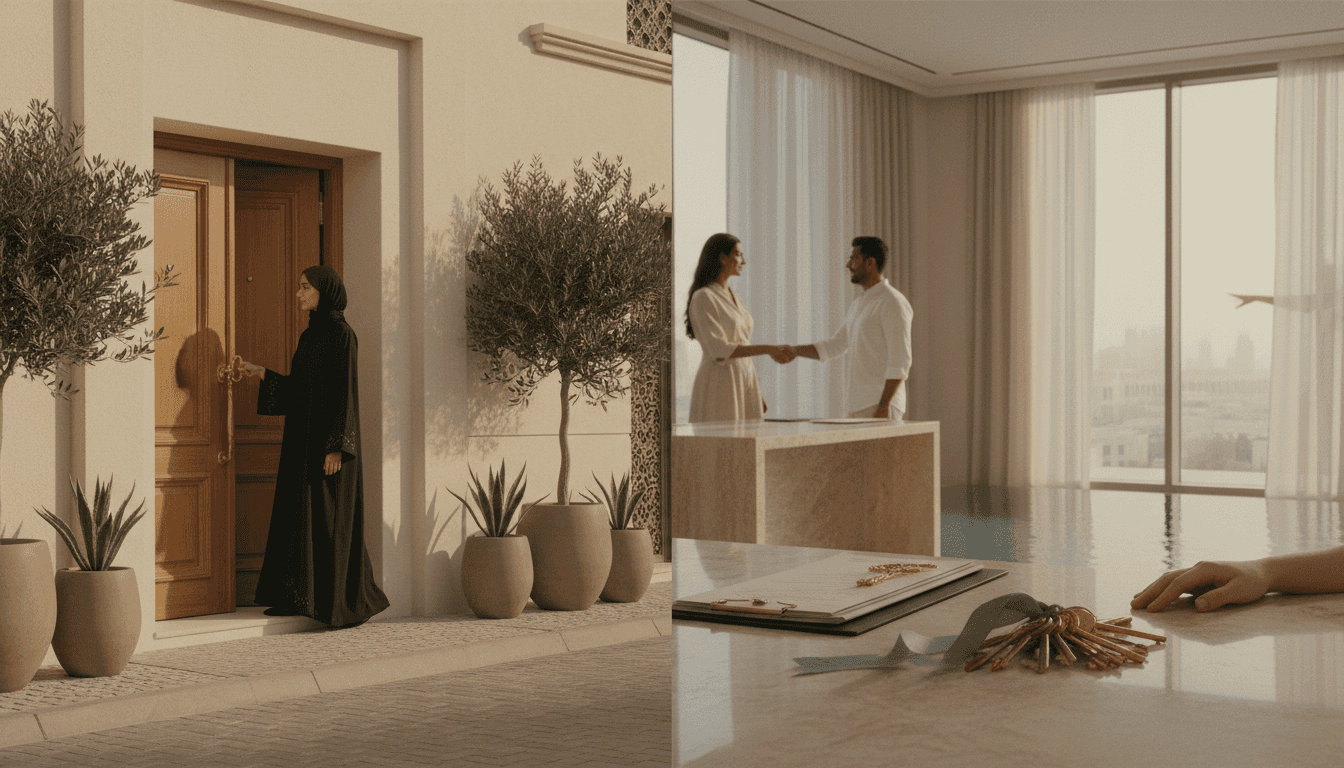
You've secured the keys to your new Dubai property. Now, the crucial work of protecting and managing your asset begins. This guide covers everything from insurance and security to maintenance contracts and tenant management.

The moment you receive the keys to your new home in Dubai is a significant milestone. But as the thrill of the purchase settles, the real work of ownership begins. Protecting and managing your asset is a responsibility that starts the second the title deed is in your name.
Here’s what we'll explore in this definitive guide:
- Your immediate post-handover checklist
- The essentials of property insurance in Dubai
- Choosing the right home security systems
- The value of annual maintenance contracts (AMCs)
- Setting up utilities and community access
- Options for post-purchase property management
- Key considerations for overseas owners
The Handover Is Just the Beginning
As a transactions editor, I guide clients through the complexities of buying property. The deal is done, the funds are transferred, the title deed is issued by the Dubai Land Department (DLD). It's a moment of celebration. Yet, I often find myself reminding clients that this isn't the finish line; it's the starting block for responsible ownership. A property, whether it's your primary residence in Arabian Ranches or an investment apartment in Business Bay, is a significant financial asset. Leaving its protection to chance is a risk you can't afford to take.
The period immediately following handover is critical. This is when you transition from buyer to owner, taking on the direct responsibility for the property's physical integrity, security, and operational upkeep. Neglecting these areas can lead to rapid depreciation, unexpected and costly repairs, security vulnerabilities, and, for investors, a loss of rental income. The decisions you make in the first few weeks will set the tone for your entire ownership experience. It's about shifting your mindset from acquisition to stewardship.
This guide is the a new homeowner checklist for security and management that I wish every new owner had. It's a practical breakdown of the steps you must take to secure, maintain, and manage your property effectively. We will cover the non-negotiables: insurance to mitigate financial risk, security systems to protect your physical space, and maintenance plans to preserve the property's condition. For investors, we’ll also look at the strategic decision of whether to self-manage or engage professional post-purchase property management services. Think of this as the operational manual for your new asset.
First Steps: Your Immediate Post-Handover Checklist
 Featured project
The handover process concludes with you holding the keys and the title deed. Before you even think about furniture or paint colours, there's a sequence of administrative and practical tasks you need to complete. This ensures you are formally recognised as the owner by all relevant parties and that the property is secure and functional from day one. Missing a step here can cause significant headaches later, from being unable to access community facilities to facing fines for unregistered accounts.
Your first stop should be the developer's or community management office. This is a crucial step for community access setup. You'll need to present your new title deed, passport, and Emirates ID to formally register as the new owner. They will then issue you access cards for community gates, swimming pools, gyms, and any designated parking spots. In communities managed by major developers like Emaar Properties or Nakheel, this is a streamlined process, but it's one you must initiate. Without it, you’re effectively locked out of the amenities you pay for through your service charges.
Next on the list is connecting your utilities. You must register your new title deed with Dubai Electricity and Water Authority (DEWA) and, for many newer communities, a district cooling provider like Empower or Emicool. This is done online via their portals or apps. You will need to pay a security deposit, which is refundable when you sell the property. Here is a typical checklist to work through in the first 48 hours:
- Register with Community Management: Take your title deed and Emirates ID to the management office to get your access cards and be added to the resident portal.
- Connect DEWA: Register your new account online. You will need the title deed and the 9-digit DEWA premise number found on the side of your property's entrance door or in the previous owner's bills. Security deposits are typically AED 2,000 for an apartment and AED 4,000 for a villa.
- Connect District Cooling: If applicable, register with the relevant provider (e.g., Empower, Emicool). This also requires a security deposit, often around AED 1,500-2,500.
- Connect Gas: For properties with central gas, register with the supplier (e.g., Sergas). Another small security deposit is required.
- Change the Locks: This is a simple but vital security step. You have no way of knowing how many copies of the old keys exist. A locksmith can rekey or replace all external door locks for a few hundred dirhams. This should be a non-negotiable part of your new homeowner checklist security.
Decoding Property Insurance in Dubai
Many new homeowners overlook or misunderstand property insurance, assuming it's either included in their service charges or an unnecessary expense. This is a dangerous assumption. While building insurance is often covered for apartment towers, your personal belongings, liability, and the structure of a villa are your own responsibility. Proper property insurance in Dubai is not a luxury; it's a fundamental tool for risk management that protects your net worth from unforeseen events like fire, theft, or water damage.
Let’s clarify what's what. For apartment owners, the master community insurance, paid via your service charges, typically covers the building's structure and common areas. However, it does not cover anything inside your four walls: your furniture, electronics, artwork, or personal effects. It also doesn't cover any upgrades you've made, like a renovated kitchen or flooring. For this, you need a separate contents insurance policy. Beyond that, it doesn't cover your personal liability — for instance, if a water leak from your apartment damages the unit below. A personal liability policy, often bundled with contents insurance, is essential to cover such risks.
For villa owners, the situation is more direct. You are responsible for insuring the entire structure of your property as well as its contents. Some developers in communities like The Meadows or Al Barari may have a master policy for the community, but you must verify the extent of its coverage. In most cases, you will need a comprehensive home insurance policy that covers both the building and your contents. The cost is surprisingly affordable, often a fraction of a percent of the property's value annually. A policy for a standard villa could range from AED 1,500 to AED 5,000 per year, a small price for peace of mind.
When choosing a policy, don't just look at the premium. Scrutinise the coverage details. Key things to look for include:
- All-Risk Coverage: This is broader than 'named perils' policies and covers all events except those explicitly excluded.
- Personal Belongings: Ensure the limit is high enough to replace all your possessions. Many people underestimate this value.
- Alternative Accommodation: If your home becomes uninhabitable due to a covered event, this clause pays for you to rent a similar property while yours is being repaired.
- Personal Liability: A crucial component covering you for accidental injury to third parties or damage to their property. I'd recommend a minimum of AED 1 million in coverage.
Choosing the Right Home Security Systems
While Dubai is one of the safest cities in the world, complacency is a risk in itself. A robust security system provides not only protection but also a significant deterrent and peace of mind, especially if you travel frequently or own a large villa. The market for home security systems in Dubai has matured, offering everything from simple DIY kits to sophisticated, professionally monitored solutions. The right choice depends on your property type, budget, and desired level of security.
For apartment dwellers, a basic system is often sufficient. This might include a video doorbell (like Ring or Google Nest), smart locks, and a couple of motion or door/window sensors. These systems can be self-monitored through your smartphone, alerting you to any activity. The initial investment is relatively low, typically between AED 500 and AED 2,500 for the hardware, with no mandatory monthly fees. This provides a good baseline of security and awareness, particularly for knowing who is at your door or if it has been opened unexpectedly.
For villa owners, especially in sprawling communities like Dubai Hills Estate or on the fronds of Palm Jumeirah, a more comprehensive approach is warranted. Professionally installed systems from reputable companies are the standard. These include multiple CCTV cameras covering the property perimeter, motion sensors, door/window contacts, and a central alarm panel. The key differentiator here is professional monitoring. Companies charge a monthly fee (typically AED 150-300) to monitor your system 24/7 and coordinate with Dubai Police in the event of a verified alarm. Initial installation costs for such systems can range from AED 3,000 to over AED 15,000 depending on the number of cameras and sensors.
When evaluating providers, consider their response time, the quality of their equipment, and the integration with other smart home features. Modern systems can integrate with lighting and blinds to simulate occupancy when you're away — a powerful deterrent. It's also important to check your community's specific rules. Some gated communities have their own security patrols and guidelines about the placement of external cameras. Ultimately, a visible security system, cameras, alarm boxes, is a strong deterrent. The goal is to make your property a harder target than the next one.
The Real Value of Annual Maintenance Contracts (AMCs)
One of the most common and costly mistakes a new homeowner can make is neglecting preventative maintenance. Waiting for something to break is always more expensive than servicing it regularly. In Dubai's climate, the AC system, in particular, is the lifeline of any property. An AC failure in August is not just an inconvenience; it's an emergency that can lead to further damage from humidity. This is where maintenance contracts in Dubai, known as Annual Maintenance Contracts (AMCs), become invaluable.
An AMC is essentially a service agreement with a technical services company to provide regular, scheduled maintenance for your property's core systems: air conditioning, electrical, and plumbing. A basic contract will include a set number of preventative maintenance calls per year, where technicians will clean filters, check electrical panels, and inspect for leaks. It also typically includes a certain number of emergency call-outs. More comprehensive (and expensive) contracts may also include the cost of spare parts and labour for any repairs needed throughout the year.
The cost of an AMC varies based on property size and the level of coverage. For a one-bedroom apartment, a basic AMC might cost between AED 2,000 and AED 4,000 annually. For a four-bedroom villa, the price could range from AED 6,000 to AED 15,000 or more, especially for packages that include extras like pool and landscaping maintenance. While this may seem like a significant outlay, compare it to the cost of a single major repair. A full AC compressor replacement can easily cost AED 5,000-10,000. A major water leak can cause thousands of dirhams in damage to flooring and furniture. From a purely financial perspective, an AMC is a sound investment in preserving your property's value and avoiding unpredictable, large expenses.
Choosing a reputable maintenance company is key. The market is flooded with providers, and quality varies wildly. Look for companies with a long track record, positive reviews, and clear, transparent contracts. Ask for references if possible. Before signing, clarify exactly what is included: how many preventative visits, what is the guaranteed response time for emergencies, and what are the exclusions? Are spare parts included, or are they charged separately? A good AMC provides not just technical support but also peace of mind, knowing that your property's essential systems are being professionally looked after.
Navigating Post-Purchase Property Management
For investors, particularly those living overseas, the conversation inevitably turns to management. Once you own the property, who will find a tenant, collect the rent, handle maintenance requests, and ensure the property is well-kept? You have two main options: self-management or hiring a professional property management company. The right choice depends entirely on your location, expertise, and how much time you are willing to dedicate to being a landlord.
Self-management can be tempting. By cutting out the middleman, you save on management fees, which typically range from 5% to 8% of the annual rent. If you live in Dubai, have a good network of reliable maintenance contacts, and understand the RERA tenancy laws, this can be a viable option. You'll be responsible for marketing the property on portals like Bayut and Property Finder, conducting viewings, screening tenants, drafting the tenancy contract (Ejari), and being the point of contact for any issues that arise. It requires a significant time commitment and a proactive approach. The challenge is that when a problem occurs — a burst pipe at 2 am or a bounced rent cheque, you are the one who has to solve it.
“For most overseas investors, attempting to self-manage a Dubai property is a false economy. The time, stress, and potential for costly mistakes far outweigh the savings on management fees.”
This is why most of our non-resident clients opt for post-purchase property management. A professional firm takes on all the landlord's responsibilities for an annual fee. At Gaia Living, our management service, for example, handles the entire lifecycle of a tenancy. This includes professional photography and marketing, rigorous tenant screening (including credit checks), collecting rent and holding security deposits, managing all maintenance requests through a network of vetted contractors, and handling the renewal or check-out process. This creates a truly passive investment experience for the owner.
A good management company does more than just collect rent. They act as your representative on the ground, protecting your asset. They ensure the property is compliant with all RERA regulations, conduct periodic inspections to check the condition of the property, and provide detailed financial statements. When selecting a management company, ask about their vacancy rates, their tenant screening process, and how they handle maintenance issues. A low management fee might be appealing, but poor service can lead to longer vacancies and higher repair costs, quickly erasing any initial savings. Ultimately, paying a 5-7% fee for professional management is often the best investment you can make in your investment.
Special Considerations for Overseas Owners
Owning property in Dubai while living abroad presents a unique set of challenges and opportunities. The process is made smooth by Dubai's clear regulations, but it requires careful planning, especially regarding management and access. For an overseas owner, the steps outlined in this guide are not just recommended; they are essential for the security and profitability of your investment.
The most critical decision is appointing a trusted representative on the ground. This can be a professional property management company or a legally appointed individual with a Power of Attorney (POA). A POA allows your representative to sign documents, including tenancy contracts and NOCs, on your behalf. However, this must be done with extreme care. The POA needs to be carefully drafted by a lawyer to specify exactly what powers are being granted and for how long. It must be notarized and attested in your country of residence and then again at the UAE Ministry of Foreign Affairs. For most investors, a management agreement with a reputable real estate brokerage is a safer and more professional alternative to a personal POA.
Banking and financial management also require foresight. You will need a UAE bank account to receive rental income and pay for expenses like service charges and maintenance. While some banks allow non-residents to open accounts, the process can be cumbersome. A good property management company can often collect rent on your behalf and remit the net income to your bank account abroad, simplifying the process. They can also manage the payment of your service charges and other local bills directly from the rental income, ensuring you never miss a payment, which can lead to the suspension of access cards and other penalties.
For the non-resident investor, technology and professional partners are your essential tools. Use digital platforms to monitor your property, but entrust the day-to-day operations to a licensed, reputable management firm in Dubai. This hybrid approach allows you to maintain control and visibility over your asset from anywhere in the world while ensuring it is professionally protected and managed on the ground.
Sources
- Dubai Land Department (DLD): https://dubailand.gov.ae/
- Real Estate Regulatory Agency (RERA): Part of the DLD, sets rules for property management and service charges.
- Dubai Electricity and Water Authority (DEWA): For utility connection information.
- UAE Government Portal (u.ae): For information on legal requirements and visas.
Questions, answered
- Is home insurance mandatory in Dubai?
- Building insurance is typically mandatory for mortgaged properties and is often covered by community service charges in apartment buildings. However, contents and personal liability insurance for your belongings and personal risks is not mandatory but highly recommended for all homeowners and tenants.
- How much does a basic home security system cost in Dubai?
- A basic DIY home security kit with a few sensors and a hub can start from AED 500-1,500. A professionally installed and monitored system from providers like ADT or Al-Futtail can range from AED 2,000 to AED 10,000+ for the initial setup, with monthly monitoring fees of AED 150-300.
- What is an AMC and how much does it cost in Dubai?
- An AMC is an Annual Maintenance Contract for your property's technical systems (AC, electrical, plumbing). Costs vary by property size and coverage level, typically ranging from AED 2,000-4,000 for a one-bedroom apartment to AED 6,000-15,000+ for a large villa.
- What does a property management company in Dubai do?
- A property management company handles all aspects of your rental property, including marketing, tenant screening, rent collection, maintenance coordination, and ensuring legal compliance. They act as the landlord on your behalf, providing a hands-off investment experience.
- How do I set up community access for my new Dubai property?
- After handover, you or your agent must visit the developer's community management office with your title deed or Oqood, passport/EID, and the NOC. They will register you as the new owner and issue access cards for amenities, parking, and community gates.

Daniel covers both sides of the deal — how to buy well and how to sell for more. He's obsessed with process, timelines, and the fees nobody warns you about.
Related stories

Selling Your New Dubai Home: The First-Year Playbook
I'm Lena Fischer, Seller's Strategist at Gaia Living. This is my definitive guide for owners looking to sell a newly handed-over property in Dubai, covering everything from snagging and warranties to maximising your sale price within the first 12 months.
Villa vs Apartment: The Great Dubai Market Divergence
A deep analysis of the divergent performance trends between Dubai's villa and apartment markets, exploring why one segment has consistently outpaced the other in capital growth.
Dubai's Established Charm: The Case for Older Homes
In a city focused on the future, I believe the smartest move for many buyers is to look back. Dubai's seasoned communities offer space, character, and surprising value that new builds often can't match.
Echoes, in your inbox
One thoughtful email a month. Market insight, new launches, no spam.