

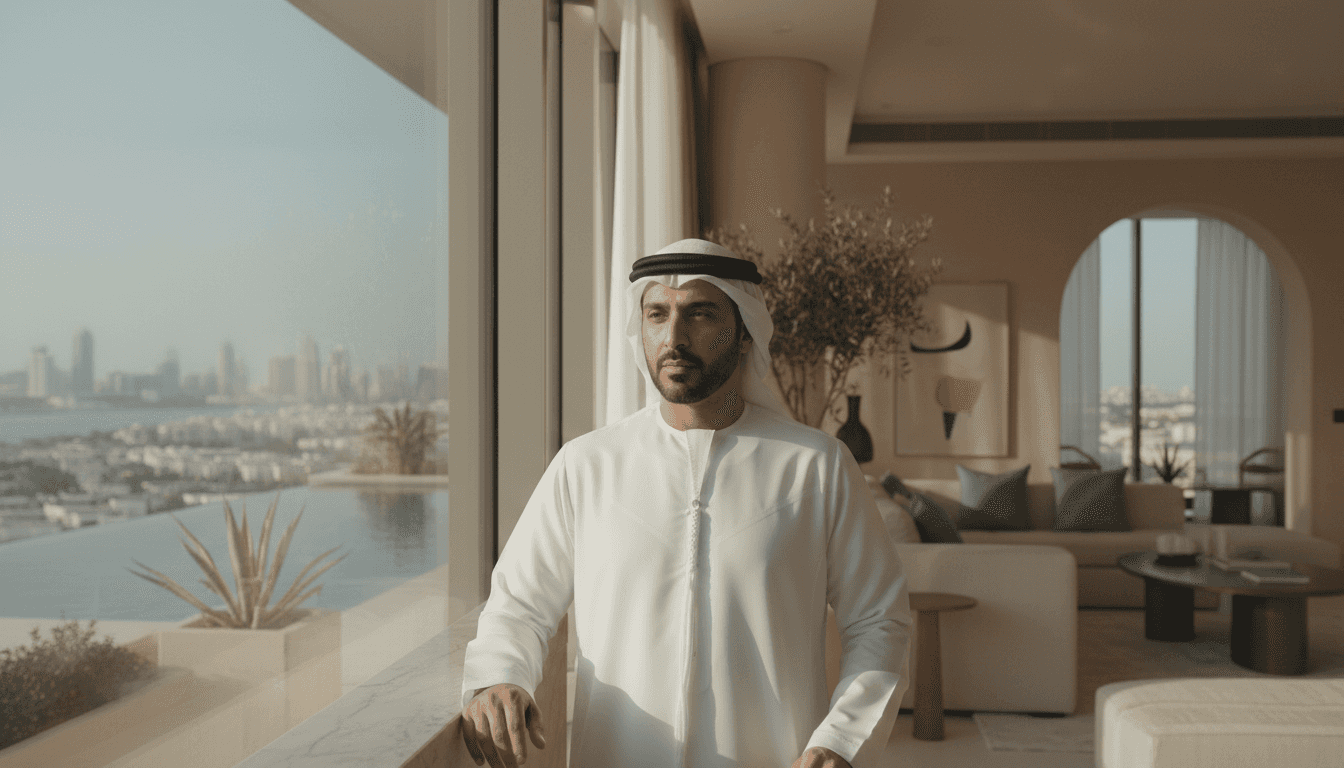
Dubai's Outdoor Spaces: A Deeper Look at Value
In Dubai's apartment market, a balcony or terrace is far more than just extra space. I'll explain how it impacts value, usability, and your overall investment, drawing on years of analysing floor plans across the city.

In Dubai's apartment market, a balcony or terrace is far more than just extra space. I'll explain how it impacts value, usability, and your overall investment, drawing on years of analysing floor plans across the city.
Here's what we'll explore:
- The evolution of outdoor space in Dubai apartments.
- How developers and buyers calculate the value of a balcony.
- The crucial difference between a terrace, a balcony, and a private garden.
- Prime examples: Where to find the best large terraces in Dubai.
- The hidden costs: Service charges on outdoor areas.
- Design and usability: Making the most of your outdoor space.
- My final verdict on whether the premium is worth paying.
The Shift: From Afterthought to Main Attraction
When I first started analysing Dubai's apartment stock over a decade ago, the balcony was often a design compromise. In many towers from the early 2000s, particularly in high-density areas, outdoor space felt like an obligation. You'd see narrow, barely usable ledges — just enough space for a clothes-drying rack and the AC condenser unit. These were often called 'Juliette' balconies, though most lacked even the romance of that name. They were a box to be ticked on a features list, not a space designed for living. The primary focus was on maximising the internal, air-conditioned square footage, a logical approach in a city known for its summer heat.
The market's perception, and frankly, its sophistication, has matured significantly since then. The pandemic was an undeniable catalyst, forcing a global re-evaluation of what 'home' means. For residents in Dubai, confined to their apartments during lockdown, the absence or inadequacy of private outdoor space became painfully apparent. A small balcony suddenly became a sanctuary. This collective experience fundamentally shifted buyer priorities. What was once a 'nice-to-have' feature became a 'must-have' for a huge segment of the market, both for renters and end-user buyers. This shift in demand has had a direct and measurable impact on the Dubai apartment balcony value.
Today, the most successful developers understand this profoundly. Look at recent launches from major players like Emaar Properties and Nakheel; the marketing materials and architectural renders don't just show apartments, they show a lifestyle that extends beyond the glass doors. The balcony is presented as an outdoor living room, a dining area with a view, or a private garden in the sky. This isn't just marketing fluff; it's a direct response to what the market is willing to pay a premium for. We've moved from a functional view of housing to an experiential one, and in an apartment, the outdoor space is the primary canvas for that experience.
This evolution is also reflected in the design language of new buildings. Architects are no longer just tacking on balconies. They are integrating them into the very structure and aesthetic of the facade. You see this in the staggered terraces that create visual interest and improve privacy, or the deep, shaded overhangs that make outdoor spaces usable for more of the year. The AC condenser, once the unwelcome guest on every balcony, is now more often cleverly hidden in service corridors or on rooftops. This thoughtful design elevates the entire living experience and, in turn, commands a higher price. It's a clear signal that outdoor space apartment living is no longer a peripheral benefit but a central pillar of premium apartment design in Dubai.
The Half-Price Rule: Valuing Outdoor Square Footage
 Featured project
For anyone looking to buy or sell an apartment in Dubai, understanding how outdoor space is valued is critical. There's a widely accepted rule of thumb in the valuation industry, one that I see applied consistently by both developers and secondary market valuers: a balcony or terrace is typically valued at 50% of the apartment's internal price per square foot. Let's be clear, this is a guideline, not a rigid law, but it's the starting point for almost every calculation. If a unit's internal space is valued at AED 2,000 per square foot, its adjoining balcony space will likely be pegged at around AED 1,000 per square foot for valuation purposes.
This 'half-price' rule is rooted in logic. An outdoor area doesn't have the same utility as an internal, air-conditioned room. You can't put the same type of furniture there, its use is weather-dependent, and it lacks the same level of finish. However, it still adds tangible area and enhances the living experience, so it commands a value greater than zero. Where it gets interesting, and where a skilled agent can make a real difference, is in arguing the exceptions to this rule. The 50% figure is a baseline, and several factors can push the effective value of a balcony significantly higher — sometimes even approaching 70-80% of the internal rate.
What are these factors? The view is paramount. A balcony in Dubai Marina with a full, unobstructed view of the water and Ain Dubai is fundamentally more valuable than a similarly sized balcony in the same building that looks onto a neighbouring tower. Usability is another key driver. A deep, square-shaped terrace that can comfortably fit an eight-seater dining table has a much higher functional value than a long, narrow balcony where you can barely place two chairs. Privacy also plays a huge role; a terrace that isn't overlooked by dozens of neighbours commands a significant premium. Finally, unique features like a private plunge pool or a built-in outdoor kitchen can elevate the space from a simple balcony to a true luxury amenity, justifying a much higher price per square foot.
As an example, let's break down the valuation of a hypothetical two-bedroom apartment in Business Bay:
- Internal Area: 1,200 sq. Ft.
- Balcony Area: 300 sq. Ft.
- Total Area on Title Deed: 1,500 sq. Ft.
- Comparable Internal-Only Sale Price: AED 2,200 per sq. Ft.
Valuation Breakdown: 1. Internal Value: 1,200 sq. Ft. x AED 2,200/sq. Ft. = AED 2,640,000 2. Standard Balcony Value (50% rule): 300 sq. Ft. x (AED 2,200/sq. Ft. * 0.5) = 300 sq. Ft. x AED 1,100/sq. Ft. = AED 330,000 3. Total Standard Valuation: AED 2,640,000 + AED 330,000 = AED 2,970,000
Now, let's assume this balcony has a direct, front-facing view of the Burj Khalifa and the fountains. In my experience, a valuer and a motivated buyer would likely agree on a higher multiplier, say 70%.
Premium View Balcony Valuation (70% rule): 1. Premium Balcony Value: 300 sq. Ft. x (AED 2,200/sq. Ft. * 0.7) = 300 sq. Ft. x AED 1,540/sq. Ft. = AED 462,000 2. Total Premium Valuation: AED 2,640,000 + AED 462,000 = AED 3,102,000
That's a difference of AED 132,000 purely based on the quality of the outdoor space. This is the essence of the balcony square footage impact — it's not just about the size, but the quality and the intangible value it brings.
Balcony, Terrace, Private Garden: A Critical Distinction
In property listings and developer brochures, the terms 'balcony', 'terrace', and 'private garden' are sometimes used interchangeably, but they denote very different types of spaces with distinct implications for value and lifestyle. As a buyer, knowing the difference is crucial to avoid disappointment. My role often involves decoding floor plans to help clients understand exactly what they are buying.
- The Balcony: This is the most common form of outdoor space. Architecturally, it's a platform that projects outwards from the building's wall, enclosed by a railing or balustrade, and supported without additional ground columns. Balconies are typically smaller in scale and are extensions of a single room, like a living room or master bedroom. Their primary limitation is often their depth. Many older buildings feature balconies that are only 1.2 to 1.5 metres deep, which severely restricts their use for anything beyond standing. Modern premium designs now aim for a minimum depth of 2.4 metres, which is the threshold for creating a genuinely usable outdoor 'room'.
- The Terrace: A terrace is a significant step up in both size and status. A terrace is a large, open area that is situated on a flat roof or a stepped-back level of a building (a setback). Unlike a balcony, which projects out, a terrace sits 'on top' of the building structure below it. This allows for much larger, more stable areas, often running into hundreds or even thousands of square feet. You typically find these on podium levels, or as part of penthouse and duplex units at the top of a tower. A terrace apartment premium Dubai is one of the highest in the market. These spaces can accommodate full outdoor lounge sets, dining tables, jacuzzis, and substantial landscaping. They offer a villa-like sense of outdoor living in an apartment setting, which is a rare and highly prized combination.
- The Private Garden: This term usually applies to ground-floor or podium-level apartments. A private garden apartment features a space that is directly on the ground, enclosed by walls or hedges for privacy. The key difference here is the connection to the earth (even if it's a landscaped podium deck). These are exceptionally popular with families with young children and pet owners, who value the convenience and safety of a contained outdoor play area. The value of a garden apartment is hugely dependent on its orientation (avoiding permanent shadow from the tower above), privacy (how overlooked is it?), and security. A well-designed, private, and sunny garden apartment in a community like Sobha Hartland and Sobha Hartland II can be an excellent find, but a dark, overlooked one can be a difficult property to rent or sell.
Discerning the true nature of the outdoor space from a 2D floor plan requires a trained eye. I look for the line weights indicating the building's main structure versus the lighter lines of a balcony. For terraces, I analyse their position relative to the floors above and below to gauge privacy and sunlight. The terminology used in the sales agreement (SPA) is what matters legally, so it's vital to ensure the description matches your expectation. At Gaia Living, we make a point of walking our clients through the floor plans line by line, ensuring they understand the practical differences between these spaces before committing.
Prime Examples: The Hunt for Dubai's Best Terraces
When a client comes to us with a specific mandate for an apartment with large terrace Dubai, my mind immediately runs through a mental map of the city's standout buildings and communities. Finding these gems requires looking beyond the standard apartment stock. You're searching for specific unit types — penthouses, duplexes, corner units, and podium-level apartments, that break the mould of typical high-rise construction.
Palm Jumeirah is the undisputed king of the terrace apartment. The architecture of the shoreline apartments and the various private developments was conceived with resort-style living in mind. Buildings like Muraba Residence by Muraba or the penthouses in projects by Omniyat are masterclasses in integrating indoor and outdoor living. These aren't just balconies; they are vast, deep terraces with breathtaking views of the sea and the city skyline. Similarly, the top-floor units in the Shoreline and Golden Mile buildings often feature enormous terraces, some of which have been extensively upgraded by owners with private pools and elaborate landscaping. The premium is substantial, but for those who value it, the lifestyle is unparalleled.
Another prime location is Bluewaters Island. The developer, Meraas, designed the apartments with generously sized balconies and terraces as a standard feature, not an exception. The low-rise buildings and the thoughtful master plan mean that many of these outdoor spaces offer a rare combination of stunning views (over the water to JBR or of the Ain Dubai) and a surprising degree of privacy. The podium-level apartments in Bluewaters are particularly noteworthy, with huge terraces that feel like private courtyards, creating a unique urban-island atmosphere. It’s a community where the outdoor space apartment living concept is executed to perfection.
For those seeking a more urban vibe, certain towers in DIFC and Business Bay offer spectacular, if less common, terrace apartments. In DIFC, the 'sky-gardens' in Index Tower and the expansive terraces in the duplexes of Central Park Towers are iconic examples. These appeal to a specific demographic — often high-level executives, who want the convenience of a central business district location without sacrificing the luxury of a large private outdoor area. In Business Bay, I'd point to buildings like The Pad or the penthouse levels of Executive Towers, which have some truly remarkable terraces overlooking the canal and Downtown Dubai. Finding them requires patience and deep market knowledge, as they rarely stay on the market for long.
Finally, for a completely different flavour, one must consider Al Barari. While known for its sprawling villas, its apartment offerings — like The Nest or Seventh Heaven, are built around the concept of green, nature-integrated living. The apartments here feature some of the largest and most lushly landscaped terraces in all of Dubai. These are not concrete slabs; they are genuine gardens in the sky, reflecting the community's overarching botanical theme. For buyers prioritising tranquillity and greenery over a sea view, Al Barari offers a compelling and unique proposition for terrace living.
The Hidden Cost: Service Charges on Outdoor Space
Here is the part of the conversation that often surprises buyers. When you purchase an apartment in Dubai, you are not just buying the space; you are buying into a community and agreeing to contribute to its upkeep through annual service charges. The crucial detail that many overlook is that these charges are almost always calculated on the *total* area listed on your Title Deed — and that includes your balcony or terrace.
Let me be explicit: you pay for the maintenance of the building's pools, gyms, security, and cleaning based on the full square footage of your property, outdoor space included. The Owners' Association and its appointed management company do not apply the '50% rule' to service charges. A square foot of balcony costs the same to 'service' as a square foot of living room. This is a fundamental reality of freehold ownership in Dubai, governed by regulations from the Real Estate Regulatory Agency (RERA). You can check and compare approved service charge rates for various projects on the Dubai REST application, which provides transparency on these costs.
This has profound implications for anyone considering an apartment with a very large terrace. While a 1,000-square-foot terrace might seem like the ultimate luxury, you must budget for the associated running costs. Let's run the numbers on two hypothetical apartments in the same high-end building in Emaar Beachfront, which has a typical service charge of around AED 22 per square foot per year.
Apartment A: Standard Balcony - Internal Area: 1,500 sq. Ft. - Balcony Area: 200 sq. Ft. - Total Serviceable Area: 1,700 sq. Ft. - Annual Service Charge: 1,700 sq. Ft. x AED 22/sq. Ft. = AED 37,400
Apartment B: Large Terrace - Internal Area: 1,500 sq. Ft. (same as Apt A) - Terrace Area: 1,000 sq. Ft. - Total Serviceable Area: 2,500 sq. Ft. - Annual Service Charge: 2,500 sq. Ft. x AED 22/sq. Ft. = AED 55,000
Apartment B has the exact same internal living space, but its owner will pay an additional AED 17,600 every single year for the privilege of that large terrace. Over a decade, that's AED 176,000 in extra costs. This isn't a reason to avoid terraces, but it is a powerful reason to go into the purchase with your eyes wide open. You need to ask yourself honestly: will I use this space enough to justify the ongoing cost? For some, the answer is an emphatic yes. For others, it's a sobering realisation. My job is to ensure my clients have the full financial picture before they fall in love with a floor plan.
“The best apartment terrace in Dubai is not just the biggest; it's the one that offers the best combination of view, privacy, and usability for a service charge you can comfortably afford.”
Maximising Usability and Design
Owning an apartment with a great balcony or terrace is one thing; making it a truly functional and beautiful extension of your home is another. The Dubai climate, with its intense summer sun and occasional winter shamal (wind), presents unique challenges and opportunities for outdoor design. Simply putting a couple of plastic chairs outside is a missed opportunity. To truly maximize the value of your outdoor space, you need a thoughtful approach to furnishing, shading, and lighting.
Shading is the single most important consideration for year-round usability. Without adequate shade, any outdoor space in Dubai is practically unusable for six months of the year between 10 am and 5 pm. If your terrace is on a setback, the floor above may provide a natural overhang. If not, you need to create your own. High-quality, wind-resistant cantilevered umbrellas are a good starting point. For a more permanent and effective solution, a custom-built pergola can be a fantastic investment. However, be aware that any structural additions to your balcony or terrace require a No Objection Certificate (NOC) from both the building's developer and the Owners' Association. The process can be bureaucratic, but it's essential for compliance and safety. We often help our clients navigate this process, connecting them with approved contractors who understand the specific rules of their building.
Next comes furnishing. The key here is to invest in materials that can withstand the harsh UV rays and humidity. Look for outdoor-grade synthetic rattan, teak, or powder-coated aluminium. Avoid cheap plastics that will become brittle and fade within a season, and steel that will rust. Think about how you want to use the space and zone it accordingly. Even on a modest balcony, you can create distinct 'zones' — a small bistro table and chairs for coffee in one corner, and a comfortable armchair with a side table for reading in another. For larger terraces, the possibilities expand dramatically: a full dining area, a lounge zone with a low-slung sofa, and even a dedicated sunbathing area. The goal is to make the space as comfortable and inviting as your indoor living room.
Finally, don't forget lighting and greenery. The standard single overhead bulb provided by the developer is rarely sufficient. A well-designed lighting scheme using a combination of wall sconces, floor lanterns, and even LED strip lighting can completely transform the atmosphere at night, turning your terrace into a magical evening entertainment space. Plants are also essential for adding life, softness, and a sense of privacy. Choose species that are well-suited to the Dubai climate and the specific sun exposure of your balcony. Succulents, bougainvillea, and desert-friendly grasses work well. A smart irrigation system is a worthwhile investment to ensure they survive the summer if you travel. A well-designed outdoor space is not an expense; it's an investment that pays dividends in lifestyle and can significantly boost your property's rental appeal and resale value.
My Verdict: Is the Terrace Premium Worth It?
After years of walking through thousands of apartments, comparing floor plans, and analysing transaction data, my conclusion is this: yes, paying a premium for a quality outdoor space in Dubai is almost always worth it, provided you choose wisely and understand the total cost of ownership. The key words there are 'quality' and 'total cost'. A poorly designed, unusable balcony is dead money — both in the purchase price and the ongoing service charges. It adds little to your lifestyle and can even be a negative selling point.
However, a well-proportioned, private terrace with a good view is one of the best investments you can make in your quality of life in this city. It fundamentally changes the experience of apartment living, offering a release valve from the confines of indoor space and providing a venue for a whole new style of living and entertaining. In Dubai's competitive rental market, an apartment with a fantastic terrace will always stand out from the crowd. It attracts a higher calibre of tenant, commands a better rent, and typically suffers shorter void periods between tenancies. Our rental team at Gaia Living consistently finds that listings featuring exceptional outdoor spaces are the first to be snapped up.
From a capital appreciation standpoint, the argument is just as strong. As Dubai's market continues to mature and attract more end-users who plan to make the city their long-term home, lifestyle features like outdoor space become increasingly important drivers of value. The trend is clear: the gap in price per square foot between apartments with premium outdoor space and those without is widening. An apartment with a great terrace has a built-in 'X-factor' that gives it a defensive edge in a soft market and allows it to outperform in a strong one. It's a feature that will never go out of style.
My advice to clients is always to prioritise the quality of the outdoor space over its absolute size. I would much rather have a well-designed, 250-square-foot terrace that is deep, private, and has a great view, than a poorly-configured, overlooked 500-square-foot terrace. Think about how the space flows from the interior, consider the sun's path throughout the day, and most importantly, scrutinise the annual service charges. If you do your homework and choose a property where the outdoor space is a genuine asset, not a liability, you'll be rewarded with both an enhanced lifestyle and a sound financial investment.
## Sources - Dubai Land Department (DLD): for information on property laws, fees, and regulations. https://dubailand.gov.ae - Dubai REST App: for checking approved service charge indexes. https://dubairest.gov.ae - UAE Central Bank (CBUAE): for mortgage regulations and policies. https://www.centralbank.ae
Questions, answered
- How much value does a balcony add to a Dubai apartment?
- A balcony's value is typically calculated at 50-70% of the internal apartment's price per square foot. However, a spectacular view, large size, or exceptional privacy can push this premium significantly higher, making it a key driver of both sale price and rental demand.
- Do you pay service charges on balconies in Dubai?
- Yes, in most buildings you pay service charges on the full area of your balcony or terrace, calculated at the same rate per square foot as your internal space. This is a crucial running cost to factor into your budget when considering a unit with a large outdoor area.
- What's the difference between a balcony and a terrace in a Dubai apartment?
- A balcony is typically a smaller, cantilevered platform projecting from the building's facade. A terrace is a much larger, open-air space situated on a setback of the building, often on a podium or penthouse level, and may be partially or fully open to the sky.
- Which Dubai areas are best for apartments with large terraces?
- For expansive terraces, look to communities like Palm Jumeirah, Bluewaters Island, and certain towers in Dubai Marina and Business Bay. Niche luxury developments in Al Barari and Jumeirah Bay also offer exceptional private outdoor spaces, often with pools.
- Are ground-floor garden apartments a good investment?
- They can be, particularly for families or pet owners who value direct access to green space. However, their value is highly dependent on privacy, orientation (sun exposure), and security, which can vary greatly from one building to another.

Ravi lives and breathes apartment living — from studio yields in JVC to branded residences on the Palm. Floor plans, service charges, and view lines are his love language.
Related stories
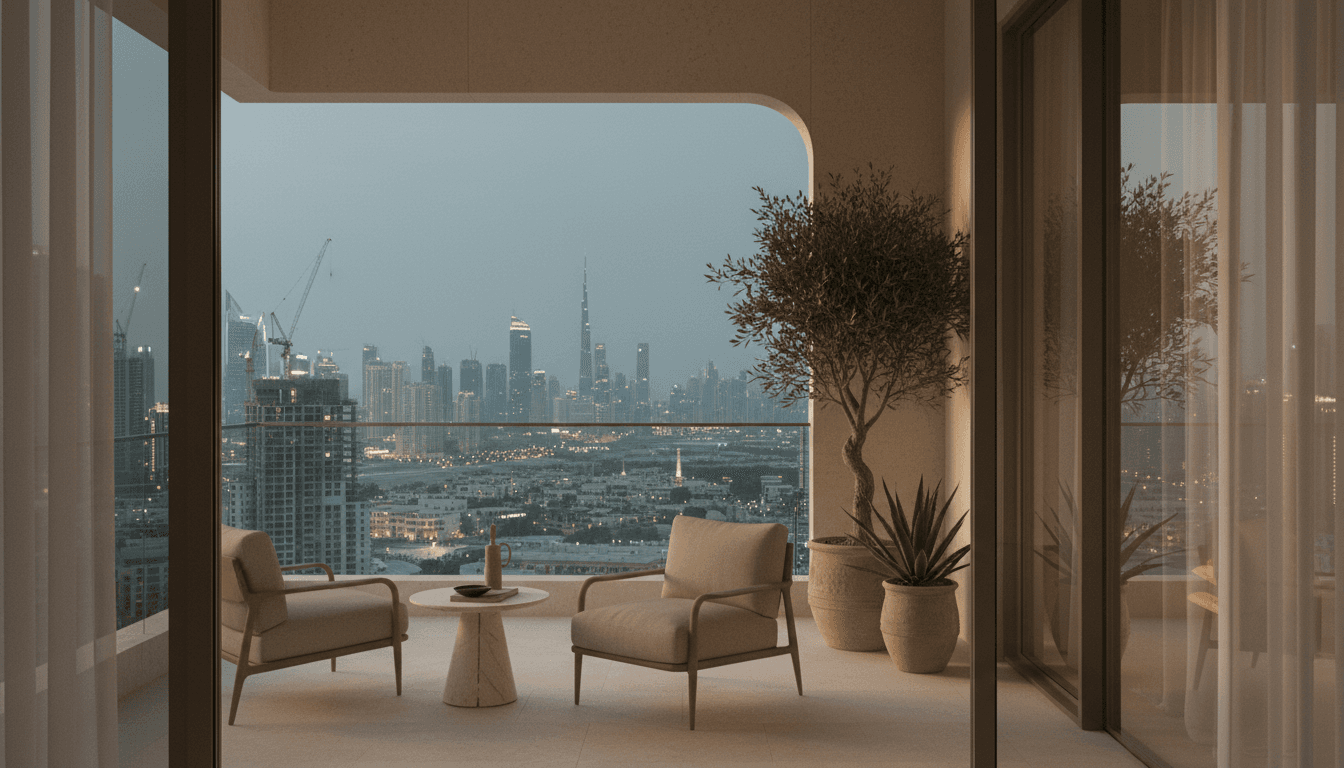
The Return of Yield in Dubai's New Market
Capital appreciation has dominated Dubai's property narrative, but as the market matures, rental yield is making a powerful comeback. I'll break down the new maths for investors.
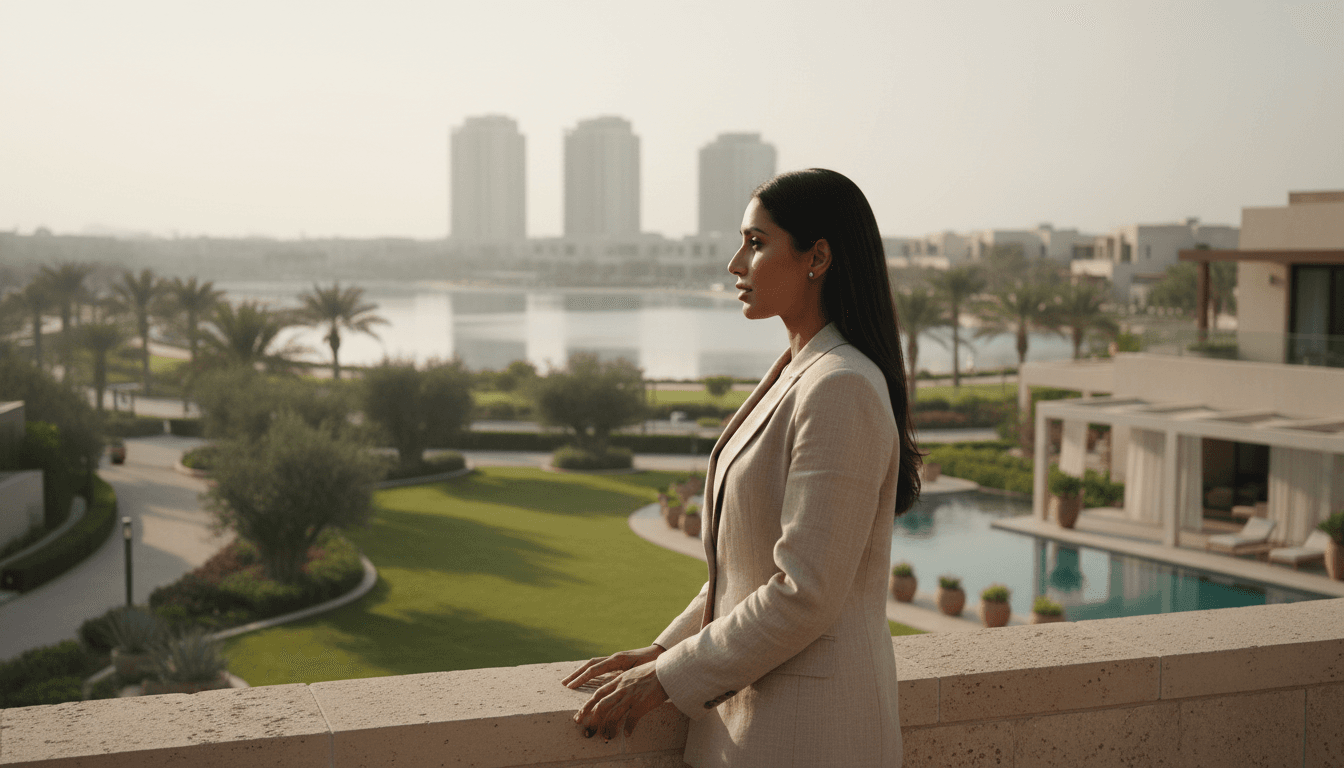
Developer Vision: Shaping Dubai's Top Family Communities
I explore why a developer's long-term vision is the most crucial, yet often overlooked, factor in choosing a family home and securing your investment's future in Dubai.
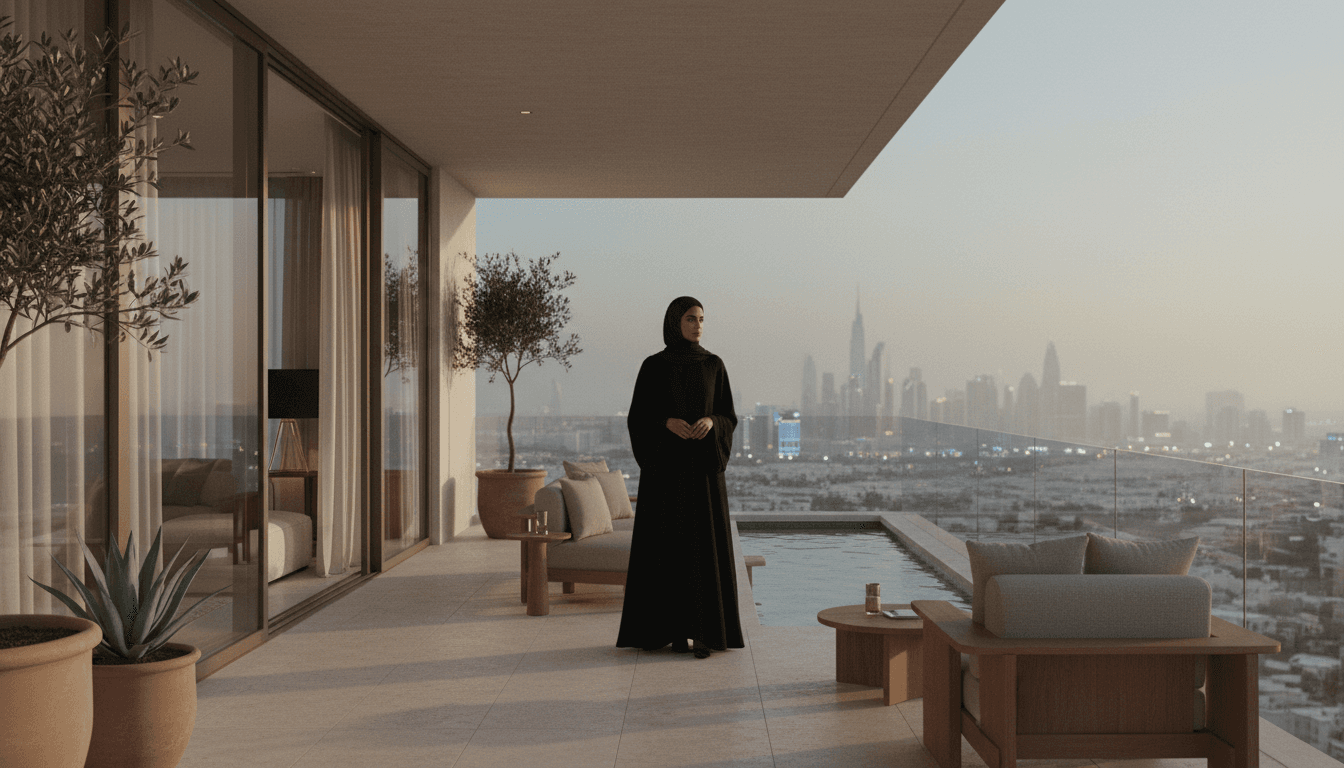
Furnished vs. Unfurnished: A Seller's Guide to Maximising Price
I’ll break down whether selling your Dubai property furnished or unfurnished will achieve a higher price, examining the strategic factors that influence the best choice for your specific home.
Echoes, in your inbox
One thoughtful email a month. Market insight, new launches, no spam.