

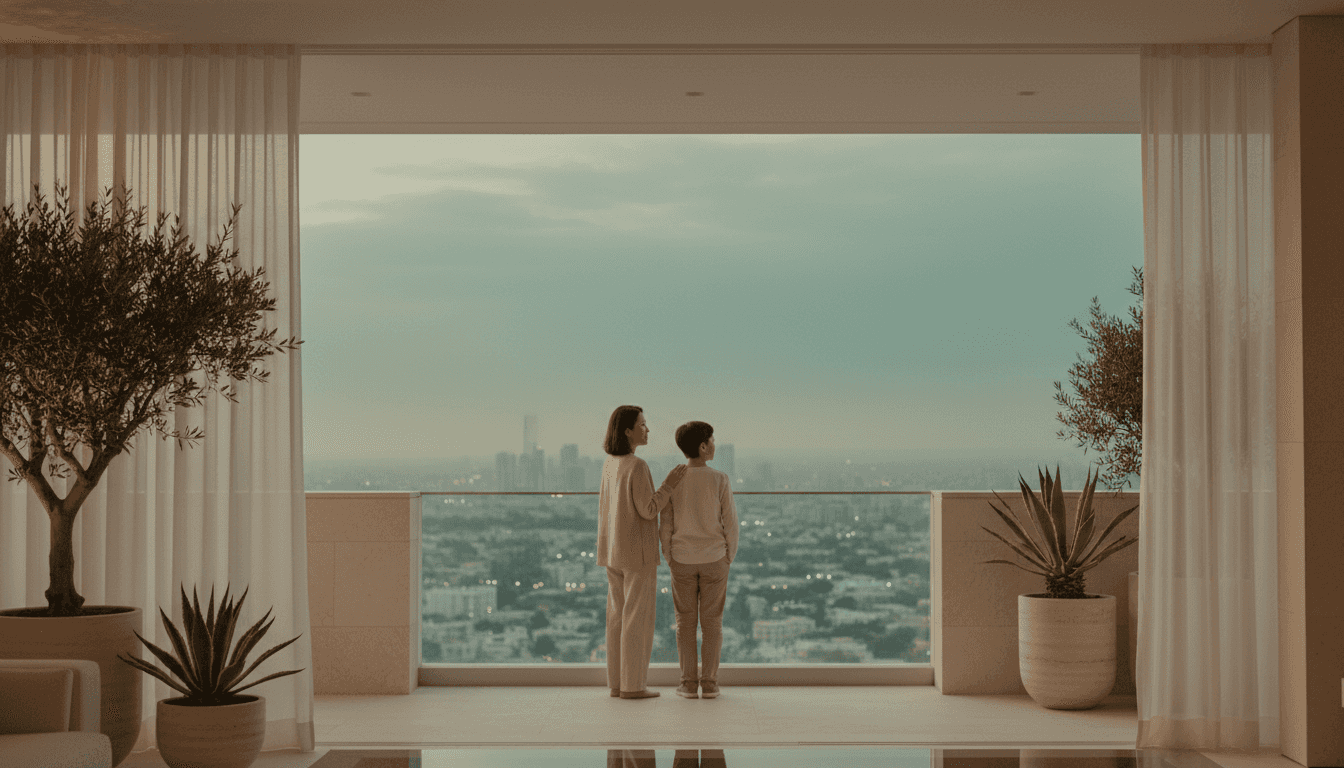
Beyond the Pool & Gym: The True Value of Resident Facilities
I explore how the evolution of luxury apartment amenities in Dubai, from private cinemas to exclusive resident clubs, creates genuine lifestyle value and justifies premium prices in the city's top towers.

As an apartment specialist in Dubai, I’ve seen the definition of ‘luxury’ shift dramatically. It's no longer enough to have a clean pool and a functioning gym. Today's discerning buyers and tenants are looking for an integrated lifestyle, and the battle for their attention is being fought in the common areas, the lobbies, and the exclusive resident-only spaces that turn a simple apartment building into a vertical community.
Here's what we'll explore:
- The evolution from basic amenities to comprehensive lifestyle hubs.
- How to quantify the 'lifestyle value' these facilities provide.
- A deep dive into the types of modern, exclusive building facilities.
- The crucial role of the Owners Association in maintaining quality.
- A look at service charges and the economics of premium amenities.
- Case studies of Dubai towers that get it right.
- My final verdict on whether these premium towers are worth the price.
The New Baseline for Luxury Amenities
For years, the checklist for a 'premium' Dubai apartment was predictable: a temperature-controlled swimming pool, a moderately equipped gymnasium, a children's play area, and perhaps a tired-looking multipurpose room. These were the foundations. They were, and still are, essential. But in a market as competitive as Dubai, the baseline has moved. What was once a luxury is now simply the expected standard, even in mid-range buildings in communities like JVC or Arjan.
The real shift has been in the mindset of both developers and residents. Developers realised that creating a genuine sense of place and community could be a powerful differentiator. It wasn't just about selling square footage anymore; it was about selling a lifestyle. Residents, in turn, began to see their building not just as a place to sleep, but as an extension of their home. The pandemic accelerated this trend enormously. When we were all spending more time at home, the quality of our immediate surroundings — and the facilities available within them, became paramount. A well-designed co-working space, a private cinema for family movie nights, or a serene garden became invaluable escapes.
This evolution has created a new tier of premium tower amenities. We’re now seeing a clear divergence between buildings that simply tick the boxes and those that thoughtfully curate an experience. The former might have a gym, but the latter has a state-of-the-art wellness centre with dedicated yoga studios, sauna and steam rooms, and maybe even a climbing wall. The former has a pool, but the latter has an infinity pool with cabanas, a separate lap pool for serious swimmers, and a shaded kids' pool. It’s this depth and quality that defines the new luxury. This is where the concept of private resident clubs Dubai truly comes to life, moving beyond a simple room to become a core social and functional hub of the building.
Quantifying the 'Lifestyle Value'
 Featured project
How do you put a price on convenience, community, and well-being? It's a question we at Gaia Living discuss with clients frequently. The 'lifestyle value' of premium amenities isn't just a marketing term; it can be quantified through three main lenses: direct cost savings, time savings, and intangible wellness benefits. This combination is what truly defines the apartment lifestyle value and underpins the premium that these buildings command, both in sales price and rental rates.
First, consider the direct financial savings. A family living in a tower with a high-quality gym, a 25-metre lap pool, a private cinema, and a residents' lounge with good coffee can potentially eliminate several monthly expenses. A premium gym membership in Dubai can cost anywhere from AED 400 to over AED 1,000 per person per month. A family of two could save over AED 12,000 annually. Add in the cost of cinema tickets, renting a co-working desk, or paying for kids' soft play access, and the savings accumulate. While these savings are offset by higher service charges, the value often comes out ahead when you factor in the quality and sheer convenience.
Second, the value of time is a huge, often underestimated, factor. The time saved by not having to drive across the city to a gym, a park, or a cafe to work is significant. For a busy professional or a family juggling school runs, having these facilities an elevator ride away is transformative. If your building has a well-designed co-working space, you save the 30-minute commute to a commercial co-working hub. If there’s a private park or a beautiful pool deck, you save the weekend trip to a public beach. This saved time can be reinvested into family, work, or personal wellness, a priceless commodity in a bustling city like Dubai.
Finally, there are the intangible benefits, which, in my view, are the most powerful. A well-designed residents' lounge fosters a sense of community, allowing you to meet your neighbours in a relaxed setting. A top-tier wellness centre encourages a healthier lifestyle. A building with beautiful green spaces, like those found in Al Barari or Sobha Hartland, has a demonstrable positive impact on mental well-being. These elements reduce the friction of daily life. They make it easier to be healthy, to socialise, and to relax. This is the true essence of luxury — not extravagance, but the thoughtful removal of everyday hassles. When a building achieves this, it creates a 'sticky' environment where residents want to stay long-term, leading to higher occupancy, stable rental income for investors, and a stronger sense of community for everyone.
The Anatomy of a Modern Residents' Club
So what do these next-generation exclusive building facilities actually look like? The term 'residents' club' has become common, but the quality varies wildly. A truly exceptional offering is more than just a collection of rooms; it's a cohesive, well-designed space that serves multiple functions. It acts as a social hub, a wellness retreat, and a remote-working base all in one.
Let’s break down the key components I look for when evaluating a premium tower’s amenities:
- The Social Hub: This is the heart of the club. It's not just a lobby. A great residents' lounge will feature comfortable seating areas, a library or reading nook, a high-end coffee bar (sometimes with a dedicated barista), and perhaps a games area with a pool table or classic arcade machines. In top-tier buildings in areas like Bluewaters Island or Palm Jumeirah, these lounges can rival the lobby of a five-star hotel, offering light F&B service and stunning views.
- The Wellness Centre: This goes far beyond a room with a few treadmills. A modern wellness suite is holistic. It includes a spacious, well-lit gym with the latest Technogym or Life Fitness equipment, a dedicated studio for yoga, pilates, or spin classes (sometimes with virtual classes on-demand), and a full suite of hydrotherapy options. This means separate male and female saunas, steam rooms, plunge pools, and even treatment rooms where residents can book massages.
- The Work & Study Zone: With the rise of flexible work, this has become a non-negotiable feature. A thoughtfully designed co-working space will offer a mix of open-plan desks, private phone booths for calls, and bookable meeting rooms with presentation screens. High-speed, reliable Wi-Fi is a given. Some buildings, like those by Emaar Properties in Downtown Dubai, have perfected these spaces, making them a genuine alternative to a commercial office for many residents.
- The Entertainment Wing: This is where developers can get creative. Private cinemas with plush seating and high-fidelity sound systems are becoming increasingly popular. Golf simulators are another sought-after feature, allowing residents to practice their swing without leaving the building. For families, a well-equipped, safe, and engaging children's club or indoor play area is a massive draw.
- Outdoor Living Spaces: The amenity offering must extend outdoors. This includes not just the main pool but also beautifully landscaped gardens, BBQ pits with dining areas for resident gatherings, and dedicated quiet zones for relaxation. In prime locations like Emaar Beachfront or Jumeirah Bay, the ultimate outdoor amenity is, of course, private beach access.
When these components are executed with high-quality materials, thoughtful design, and professional management, they create an environment that significantly enhances daily life. It's this comprehensive approach that separates the truly luxurious from the merely adequate.
The Unsung Hero: The Owners Association
Having a stunning array of luxury apartment amenities Dubai is one thing. Keeping them pristine, functional, and well-managed is another entirely. This is where the often-overlooked Owners Association (OA) and the appointed management company play a critical role. A developer can build the most spectacular private cinema or wellness centre, but if it’s poorly maintained, it quickly becomes a liability rather than an asset. As an apartment specialist, I always advise clients to look beyond the glossy brochure and investigate the quality of the building management.
In Dubai, the framework for this is governed by the Real Estate Regulatory Agency (RERA). Once a project is completed and units are handed over, an OA is formed, comprising all the individual property owners. This body is responsible for the management, maintenance, and operation of the common areas. The OA appoints a licensed management company to handle the day-to-day tasks, from security and cleaning to the maintenance of pools, gyms, and other facilities. The performance of this management company is the single biggest factor in the long-term success of a building's lifestyle offering.
“The best amenities in the world are worthless if they are not impeccably maintained. A proactive and well-funded Owners Association is the true guardian of a building's value.”
When we evaluate a building at Gaia Living, we look for signs of a healthy and proactive OA. Are the common areas spotless? Is the equipment in the gym in perfect working order? Are the gardens well-tended? A simple walk through the building can tell you a lot. We also review the service charge budgets. A well-managed building will have a transparent budget that allocates sufficient funds not only for routine maintenance but also for a 'sinking fund' — a reserve fund set aside for major future capital expenditures, like replacing the chillers or elevators. A low service charge might seem attractive initially, but if it's because the OA is under-funding maintenance or the sinking fund, it’s a major red flag that could lead to special levies and declining asset value down the line.
A great OA also engages with the residents. They will conduct surveys, hold regular meetings, and be responsive to feedback. They might organise community events, from holiday gatherings to fitness classes, which further enhance the apartment lifestyle value. When you buy into a building, you're not just buying your apartment; you're buying into a community and its governance structure. Choosing a building with a strong, effective OA is one of the smartest decisions an apartment buyer can make.
The Economics of Amenities: Deconstructing Service Charges
Of course, these exceptional facilities come at a cost, which is reflected in the annual service charges. It’s crucial for buyers to understand what they are paying for and how to assess if the value proposition makes sense for them. In Dubai, service charges are approved by RERA and are calculated on a per-square-foot basis based on the total area of your unit as per the title deed. This means a larger apartment pays a proportionally higher share of the total building running costs.
Let’s break down a typical service charge in a premium building. It’s generally composed of several key items:
- Staffing: This is often the largest component, covering salaries for 24/7 security, concierge staff, cleaners, and on-site maintenance technicians.
- Utilities: This covers the DEWA (Dubai Electricity and Water Authority) bills for all common areas, including the electricity to light the corridors, run the elevators, and power the AC, as well as the water for pools and irrigation.
- Maintenance Contracts: These are annual contracts for specialist systems, such as elevators, fire safety systems, CCTV, swimming pool maintenance, and gym equipment servicing.
- Management Fees: The fee paid to the licensed OA management company.
- Insurance: Building insurance is mandatory.
- Sinking Fund: A contribution towards future major repairs, typically 10-15% of the total service charge budget.
- District Cooling: In many areas of Dubai, chilled water for air conditioning is provided by a central plant. While the consumption inside your apartment is billed to you directly, the 'capacity charge' for the building's connection is often part of the service charge.
A standard, good-quality building in a non-prime area might have service charges in the range of AED 16-22 per square foot per year. However, for a tower with extensive premium tower amenities, you should expect to pay more. A luxury tower in Business Bay or Dubai Marina with a high-end gym, multiple pools, and a residents' lounge could be in the AED 25-35 per sq. Ft. range. For branded residences, where you are also paying for hotel-level services and access to hotel facilities, charges can climb to AED 40-60 per sq. Ft. or even higher.
Let’s run a simple cost comparison for a 1,000 sq. Ft. one-bedroom apartment:
- Building A (Standard Amenities):
- Service Charge Rate: AED 18/sq. Ft.
- Annual Cost: 1,000 sq. Ft. x AED 18 = AED 18,000
- Building B (Premium Amenities):
- Service Charge Rate: AED 30/sq. Ft.
- Annual Cost: 1,000 sq. Ft. x AED 30 = AED 30,000
The difference is AED 12,000 per year, or AED 1,000 per month. Now, the key question for a buyer or tenant is: does the lifestyle offered by Building B justify that extra AED 1,000 per month? If you would otherwise be spending that amount on a gym membership, co-working space, and other entertainment, then the answer is a clear yes. The value is not just in the cost savings but in the smooth convenience of having it all on-site. It's a personal calculation, but one that every prospective resident should make with their eyes open.
Case Studies: Where Lifestyle is King
To make this tangible, let's look at a few examples of developers and buildings in Dubai that, in my opinion, exemplify this commitment to creating a superior residential experience through their facilities.
One of the masters of this is Omniyat. Their projects, often in collaboration with world-class architects and hotel operators, are designed around an ultra-luxury lifestyle. Take The Lana Residences, Dorchester Collection, in Business Bay. Residents here don't just get an apartment; they get access to the full Dorchester Collection service ethos. This includes access to the hotel's stunning rooftop pool, the spa, and restaurants, but it also features a dedicated residents-only indoor lap pool, a private gym, a yoga studio, and a residents' lounge that overlooks the canal. The service charges are undoubtedly at the very top end of the market, but the offering is unparalleled. It’s a fully integrated lifestyle where your home and a five-star hotel experience merge. This is the pinnacle of exclusive building facilities.
Another excellent example is Emaar Properties, particularly in their master-planned communities. At Emaar Beachfront, the key amenity is the 1.5 km of private beach. For residents, this is a game-changer. They have direct, exclusive access to a pristine stretch of sand and sea, something that is incredibly rare for apartment dwellers in Dubai. But Emaar doesn't stop there. The buildings feature podium-level pools with expansive sun decks that feel like a resort, state-of-the-art gyms, and lushly landscaped community parks. By creating a complete ecosystem, Emaar ensures that the lifestyle value extends beyond the four walls of the apartment and even beyond the building itself, into the wider community.
Finally, I want to mention projects that focus on wellness and nature, like those in Al Barari or from developers like [Sobha Realty](/developers/sohba-realty) in their Sobha Hartland community. While Al Barari is known more for its villas, its apartment buildings like Seventh Heaven and Ashjar are set within vast, mature botanical gardens. The primary amenity here is nature itself — the ability to walk through lush greenery, listen to birdsong, and breathe fresh air. This connection to nature is a powerful and increasingly sought-after luxury. Sobha builds on a similar principle, weaving green spaces and water features throughout their communities, ensuring that even in a dense urban environment, residents have access to tranquility and natural beauty, complemented by high-quality traditional amenities within the buildings themselves.
The Final Verdict: Is It Worth the Premium?
After years of analysing floor plans, comparing service charges, and walking through countless buildings across Dubai, my verdict is this: yes, for the right person, a building with genuinely premium, well-maintained amenities is absolutely worth the premium. However, the key is to be honest about your own lifestyle and priorities. The value is only realised if you actually use the facilities.
For a young professional who values fitness and has a flexible work schedule, a building with a great gym and co-working space can be a perfect fit, easily justifying a higher rent or service charge. For a family with young children, a tower with a secure, engaging kids' club and a family-friendly pool area can be a lifesaver, providing built-in entertainment and a community of other families. For an investor, these buildings often attract higher-quality, longer-term tenants who are willing to pay more for a superior living experience, leading to potentially better yields and lower vacancy rates.
Conversely, if you're someone who prefers a boutique gym, always works from an external office, and spends weekends away from home, then paying a premium for facilities you'll never use makes little financial sense. In that case, a well-maintained building with more basic amenities in a great location might be a smarter choice. The beauty of the Dubai property market is that it offers this full spectrum of choice. The critical task for any buyer or tenant is to align their choice of building with their actual, not aspirational, lifestyle.
The true value of premium apartment facilities in Dubai lies not in the mere existence of a pool or gym, but in how a thoughtfully curated and impeccably maintained set of amenities — from private resident clubs to wellness centres, can save you time, reduce costs, and genuinely enhance your daily quality of life.
When you're ready to explore apartments that offer more than just a place to live, but a complete lifestyle, our team at Gaia Living can help you navigate the options and find a home that truly fits the way you want to live. We have deep expertise in the city's best buildings and can provide an honest assessment of the long-term value you can expect. You can start by browsing our curated selection of properties for sale or by learning more in our comprehensive buyer and investor guides.
Sources
- Dubai Land Department (DLD): dubailand.gov.ae
Questions, answered
- What are considered 'exclusive' resident facilities in Dubai apartments?
- Exclusive facilities go beyond the standard pool and gym to include private cinemas, residents' lounges with full service, indoor lap pools, golf simulators, wellness centres with saunas and steam rooms, and dedicated co-working spaces. In ultra-luxury towers, this can extend to private dining rooms, on-site spa services, and direct access to hotel amenities.
- How much do these premium amenities add to service charges in Dubai?
- Service charges are highly variable but expect to pay a premium. While a standard building might charge AED 16-22 per sq. Ft. annually, buildings with extensive luxury facilities can easily range from AED 25-45 per sq. Ft. or even higher for branded residences with hotel-level services.
- Are buildings with extensive amenities a better investment?
- They can be. High-quality, well-maintained facilities can command higher rental yields and attract a more stable, long-term tenant base. For end-users, the value is in the enhanced lifestyle and convenience, which can be worth the higher running costs.
- Which developers are known for exceptional resident amenities in Dubai?
- Developers like Omniyat, Emaar Properties, and Meraas are renowned for creating amenity-rich residential towers. Omniyat focuses on ultra-luxury with projects like The Lana Residences, while Emaar excels at creating integrated communities like Emaar Beachfront with private beach access and extensive facilities.
- Can I negotiate my service charges based on the amenities I use?
- No, service charges are non-negotiable and are calculated based on your unit's size (in square feet) as registered with the Dubai Land Department (DLD). All owners in a building contribute to the upkeep of all common areas and facilities, regardless of individual usage.
- What is the difference between shared facilities and a private resident club?
- Shared facilities are accessible to all residents, like a standard pool or gym. A private resident club is a more exclusive, often multi-level space offering curated services like a lounge with a barista, private meeting rooms, libraries, or games rooms, creating a distinct social and functional hub within the building.

Ravi lives and breathes apartment living — from studio yields in JVC to branded residences on the Palm. Floor plans, service charges, and view lines are his love language.
Related stories
Sharia Mortgages in Dubai: An Investor's Guide
Sharia-compliant mortgages offer an ethical, asset-backed alternative to conventional loans. I'll break down how these non-interest home loans work for property investment in Dubai and who should consider them.
Beyond the Gadgets: A Guide to Smart Homes in Dubai
I explore how new developments in Dubai are redefining 'intelligent living' beyond mere gadgets, embedding technology that genuinely enhances daily life, efficiency, and comfort.
Dubai's Best Villa Communities for Cyclists & Commuters
Discover the rare Dubai villa communities that combine spacious family living with genuine car-light convenience, featuring direct cycling paths and robust public transport connections.
Echoes, in your inbox
One thoughtful email a month. Market insight, new launches, no spam.