


The Seller's Checklist for Market Success
Selling your Dubai property for the best price isn't luck; it's a strategic process. Here's my definitive checklist for preparing your home to command its maximum value on the market.

Selling your property in Dubai should be a profitable, straightforward experience. In my years as a transactions advisor, however, I’ve seen countless sellers leave money on the table or endure months of frustration for one simple reason: a lack of preparation. Achieving a top-tier price in a fast-moving market isn't about luck; it's a direct result of a strategic, front-loaded effort. Preparing your property for sale is the single most important investment you can make in the entire process.
In this guide, I'll walk you through my personal checklist — the same one we use at Gaia Living to guide our clients. We will cover the practical steps that make a tangible difference to your final sale price and the speed of your transaction.
Here is my comprehensive approach to preparing your Dubai property for sale:
- The Pre-Flight Check: Assembling your documents and ensuring legal clarity.
- Budgeting the Sale: A transparent breakdown of the real costs involved.
- Repairs vs. Renovations: Understanding where to spend for maximum property renovation ROI in Dubai.
- Depersonalization & Decluttering: The art of creating a universally appealing space.
- Professional Property Staging: Assessing the cost versus the considerable benefit.
- Mastering the Viewing: The final, critical step in converting interest into offers.
- Strategic Pricing: How to price correctly to attract buyers, not deter them.
- Choosing Your Agent: Why the right partner is your most valuable asset.
The Pre-Flight Check: Documents & Legal Clarity
Before a single photo is taken or a viewing is scheduled, the most critical work begins at your desk. A smooth, successful property sale is built on a foundation of clean paperwork. The slightest discrepancy or a missing document can cause significant delays, erode buyer confidence, and even collapse a deal just as you're approaching the finish line. I have seen it happen. A buyer gets spooked by a seller who seems disorganized, wondering what else might be hidden. Getting your legal and administrative house in order first is non-negotiable. This is the first step in preparing your Dubai property for sale, and it demonstrates to buyers and agents that you are a serious, organized seller.
If your property is mortgaged, your first call should be to your bank. You need to request a mortgage liability letter, which confirms the outstanding amount required to clear the loan. This figure is essential for calculating your net proceeds and for the legal transfer process. Be aware that some banks can take a few days to a week to issue this letter, so initiate the request early. You also need to inquire about any early settlement or prepayment penalties stipulated in your original loan agreement. These can sometimes be a significant percentage of the outstanding loan, and you must factor this into your financial calculations to avoid any unpleasant surprises.
Whether your property is mortgaged or not, the core documents are the same. You need to locate the original Title Deed (or Oqood if it's an off-plan property being sold on the secondary market). This is the absolute proof of ownership. If you can't find it, you’ll need to apply for a new one from the Dubai Land Department (DLD), a process that takes time and money. Alongside the Title Deed, you'll need copies of your passport and Emirates ID (and those of any other registered owners). For properties owned by a corporate entity, you'll require the company's trade license and other constitutional documents. My advice is to create a dedicated digital folder and scan every document as you gather it. It makes sharing with your agent and conveyancer infinitely easier.
Here is a definitive checklist of the documents you should gather before going to market:
- Title Deed: The original, proving your legal ownership.
- Passport & Emirates ID: Clear, valid copies for all registered owners.
- Oqood: Required for off-plan properties being resold before final handover and Title Deed issuance.
- Affection Plan: The official site plan from Dubai Municipality, usually attached to your Title Deed.
- Mortgage Liability Letter: If the property is mortgaged, from your bank.
- Service Charge Statement: An up-to-date statement from the owner's association management showing your account is clear. This is a prerequisite for the developer's NOC.
- Signed Form A: The RERA agreement between you and your chosen real estate agency.
Budgeting the Sale: The Costs You Can't Ignore
 Featured project
Many sellers focus solely on the headline asking price, dreaming of the lump sum that will land in their account. But the gross sale price and your net proceeds are two very different numbers. Understanding and budgeting for the costs of selling is crucial for setting realistic expectations and for evaluating offers correctly. These costs are not insignificant, and failing to account for them is a common mistake that I see sellers make. It’s my job to ensure our clients have full transparency from the outset. There should be no hidden surprises during the transaction.
Let’s start with the largest and most misunderstood fee: the Dubai Land Department (DLD) transfer fee. The fee is set by law at 4% of the property's sale price. While legally the responsibility for this fee can be negotiated in the sale and purchase agreement (Form F), the standard, overwhelming market practice in Dubai is that the buyer pays the full 4%. As a seller, you should plan for this expectation. Any deviation where you, the seller, are asked to contribute would be a specific point of negotiation on an offer. You’ll also pay a DLD Trustee Office fee for facilitating the transfer, which is typically around AED 4,200 for properties valued over AED 500,000.
Next is the agency commission. A professional agent's fee is typically 2% of the sale price, plus 5% VAT on that fee. Some sellers balk at this, but a top agent does far more than just list your property online. They invest in professional marketing, actively prospect for buyers, handle all the time-consuming viewings, vet potential buyers for financial readiness, and — most importantly, negotiate on your behalf to secure the best possible price. A good agent doesn't cost you 2%; they make you an additional 5-10% by creating a competitive environment and managing the deal to completion. Choosing an agent based on the lowest commission is almost always a false economy.
Finally, you have the No Objection Certificate (NOC) fees. Before the DLD will transfer ownership, you must obtain an NOC from the master developer (Emaar Properties, Nakheel, Meraas, etc.) confirming that all service charges and any other outstanding community fees are paid in full. The cost for this certificate varies dramatically by developer, ranging from as low as AED 500 to as high as AED 5,000. It's a mandatory step, and the fee is non-negotiable. If you have a mortgage, your bank will also charge a clearance or discharge fee, usually a fixed amount around AED 1,500, to release their lien on the property.
Let's put this into a real-world example. Imagine you are selling your two-bedroom apartment in Dubai Marina for AED 2,500,000.
Seller's Cost Breakdown (Example): - Agency Fee: (2% of AED 2.5M) = AED 50,000 - VAT on Agency Fee: (5% of AED 50,000) = AED 2,500 - Developer NOC Fee: (Average) = AED 1,500 - Mortgage Discharge Fee: (If applicable) = AED 1,500 - Total Seller Costs: ~AED 55,500
In this scenario, your net proceeds before clearing any mortgage would be AED 2,444,500, not AED 2,500,000. This clarity is essential for making sound financial decisions.
Repairs vs. Renovations: Real Property Renovation ROI in Dubai
When preparing a property for sale, the question I'm asked most frequently is: "Should I renovate?" Sellers see glossy design magazines and TV shows and imagine a full-scale renovation will magically add hundreds of thousands of dirhams to their asking price. In my experience, this is rarely true. The key to maximizing your sale price is to differentiate between essential repairs, high-impact cosmetic upgrades, and risky, expensive renovations. The goal isn't to build your dream home; it's to create a clean, functional, and neutral canvas where buyers can easily project theirs.
First, let's talk about repairs. These are non-negotiable. A buyer's home inspection that reveals a list of defects is one of the quickest ways to kill a deal or face a significant price reduction request. Walk through your property with a critical eye, or better yet, have your agent do it. Leaky faucets, running toilets, cracked tiles, chipped paint, broken light switches, or a rattling AC unit are all major red flags for buyers. They see these small issues and immediately start to wonder about bigger, hidden problems. The cost to fix these items — a few hundred dirhams for a plumber or electrician, is a tiny fraction of the value you preserve by presenting a well-maintained home. A buyer's estimate for the cost and hassle of these repairs will always be far higher than the actual cost for you to fix them upfront.
Next are the cosmetic upgrades, which offer the best property renovation ROI in Dubai. This is where you can make a huge difference for a relatively small investment. A fresh coat of paint is the single most effective upgrade you can make. Choose a warm, neutral off-white or light grey to brighten the space and create a sense of newness. Avoid bold feature walls or personal color choices. The cost to paint a two-bedroom apartment is typically in the range of AED 3,000-5,000. Other high-impact upgrades include updating cabinet handles in the kitchen and bathrooms (AED 500), replacing dated light fixtures with modern, simple ones (AED 1,000-2,000), and ensuring all light bulbs are working and of a consistent warm-white color. A professional deep clean, including windows and grout, is also essential and costs around AED 500-1,000. These changes make the property feel cared for and move-in ready.
“The goal isn't to build your dream home; it's to create a space where buyers can easily project theirs.”
Finally, we have major renovations — the full kitchen and bathroom remodels. My advice for most sellers is to avoid these. A stylish kitchen renovation can easily cost AED 50,000 to AED 150,000 or more. While it might look fantastic, you are unlikely to recoup the full cost in the sale price. Your taste might not be the buyer's taste. They may have wanted a different countertop or cabinet style. Most buyers, particularly in prime areas like Downtown Dubai or Palm Jumeirah, expect to personalize these key spaces anyway. The only exception is if your kitchen or bathroom is truly dilapidated, non-functional, or exceptionally dated for an otherwise premium property. In that case, a modest, clean-lined renovation using cost-effective but modern materials might be necessary to make the property saleable at all. But for the vast majority, the smart money is on repairs and cosmetic touches.
Depersonalization & Decluttering: The Power of Subtraction
Once the repairs are done and the paint is dry, the next phase of preparation is about creating space. Not just physical space, but mental space for the buyer. When a potential buyer walks into your home, you want them to imagine their own life there, not yours. This is impossible if every surface is covered with your family photos, personal collections, and daily clutter. This is why decluttering and depersonalizing are perhaps the most challenging, but also the most impactful, steps in the entire process. It’s an essential part of preparing your Dubai property for sale that costs nothing but effort.
My rule of thumb for sellers is simple: walk through every room and aim to remove at least 50% of the items. This sounds extreme, but it works. We become blind to our own clutter. That stack of magazines, the extra decorative cushions, the kitchen gadgets on the counter, the overflow of toiletries in the bathroom — it all has to go. Buyers are purchasing square footage, and the more 'stuff' you have, the smaller and more cramped your property feels. Renting a small, short-term storage unit for a few months is a brilliant investment. It costs a few hundred dirhams a month and allows you to properly clear out your home without having to live in a sea of boxes.
Depersonalization is the other half of this equation. It can feel a bit strange, but you need to temporarily erase your personality from the house. This means taking down all family photographs, children’s drawings from the fridge, religious iconography, and any distinctive or quirky artwork. The goal is to create a neutral environment, like a boutique hotel. You want a buyer to walk in and say, “I can see my furniture in this living room,” not, “Wow, they have a big family.” The more neutral the space, the wider the audience it will appeal to. This is a core tenet of professional property staging in Dubai, and it’s something you can do yourself for free.
Pay special attention to closets and storage areas. Buyers will absolutely open them. A closet stuffed to the gills sends a message that there isn't enough storage space in the home. It’s far better to have closets that are only half-full, with items neatly arranged. It creates an impression of spaciousness and ample storage. The same goes for kitchen cabinets and the pantry. Clear out countertops, leaving only one or two stylish items like a high-end coffee machine or a bowl of fresh lemons. In the bathroom, hide all your personal toiletries, toothbrushes, and razors. Replace them with a single bar of luxury soap, a new set of fluffy white towels, and a small decorative plant. These small details collectively create a powerful, positive impression.
Professional Property Staging: Is it Worth It?
After you've repaired, painted, and decluttered, you're left with a clean, neutral space. For some properties, this is enough. But in a competitive market like Dubai, professional staging can be the factor that elevates your property from 'good' to 'must-have'. Property staging is more than just decorating; it's a marketing tool. It’s the art of using furniture, lighting, art, and accessories to highlight a property's best features and help buyers form an emotional connection to the space. It’s one of the most powerful selling apartment Dubai tips I can offer.
So, is it worth the cost? Let's look at the numbers. A professional staging consultation might cost between AED 1,000 and AED 2,500. For this, a stylist will walk through your home and give you a detailed report on what to move, remove, or add. For full-service staging, where a company brings in all the furniture and accessories, the cost for a typical two-bedroom apartment for a three-month contract (the usual minimum) can range from AED 15,000 to AED 30,000. For a villa in a community like Dubai Hills or Arabian Ranches, this could be AED 40,000 or more. This might seem like a lot, but the return on investment can be substantial. Well-staged homes often sell faster and for a higher price than their non-staged counterparts.
In my view, professional staging is absolutely essential for certain types of properties. If your property is vacant, it is a must. Empty rooms, contrary to popular belief, look smaller and colder. Buyers struggle to visualize furniture placement and room scale. Staging defines the purpose of each room, creates a warm and inviting atmosphere, and gives the property a sense of scale. The professional photos of a staged vacant property will also attract far more online interest than photos of empty white boxes. In a market where 90% of buyers start their search online, this initial visual appeal is critical.
Staging is also highly effective for properties with dated furniture or a very specific design taste that might not appeal to a broad audience. It can also be a lifesaver for properties with awkward layouts, as a good stager knows how to use furniture to create flow and define zones. In highly competitive sub-markets, like the luxury apartment towers of Business Bay or the family villas of Jumeirah Golf Estates, where buyers have many similar options, staging can make your property stand out. It signals quality and care. While it's an upfront cost, a faster sale means fewer months of paying service charges and other holding costs. Often, the additional value captured in the sale price more than covers the staging investment.
Mastering the Viewing: Setting the Stage
All your preparation — the paperwork, the repairs, the staging, culminates in one critical event: the viewing. This is the moment a potential buyer steps into your property and decides, often within the first few minutes, whether they can see themselves living there. You only get one chance to make a first impression, and you need to make it count. The viewing is a performance, and the property is the stage. Your job is to ensure every detail is perfect to create an overwhelmingly positive experience that connects with buyers on an emotional level.
An hour before any scheduled viewing, you should run through a final pre-showing checklist. The goal is to appeal to all five senses. For sight, open every single curtain and blind to let in maximum natural light. Turn on every light in the house, including lamps and under-cabinet lighting, even during the day. A bright home feels larger, cleaner, and more welcoming. For temperature, set the air conditioning to a cool, comfortable 21-22°C. A hot, stuffy apartment is an instant turn-off. For scent, aim for neutral and clean. Avoid strong air fresheners, incense, or cooking smells from your lunch. Open the windows for a few minutes before the viewing for fresh air. A subtle diffuser with a light scent like white tea or citrus can be effective, but 'no smell' is better than a bad smell.
Sound is also important. Turn off the television and any loud music. You want a calm, quiet environment where buyers can talk freely with the agent and hear the quality of the home. Finally, if you have pets, they should ideally be out of the house for the viewing, perhaps with a friend or at a doggy daycare. At the very minimum, hide all food bowls, litter boxes, pet beds, and toys. Not all buyers are animal lovers, and their presence can be a distraction and a turn-off for those with allergies.
My most important piece of advice for the viewing itself is this: leave. As the owner, your presence makes buyers uncomfortable. They won't feel free to open closets, look closely at finishes, or speak candidly with their agent about what they like and dislike. They feel like they are intruding in your personal space. Let your agent do their job. We are trained to highlight the property's features, answer questions professionally, and build rapport with the buyer. Your presence can unintentionally create awkwardness or pressure. Go for a coffee, run an errand, and trust the process. A professional agent from a firm like ours knows how to sell the story of your home far better than you can, simply because we have the objective distance to do so.
Strategic Pricing: The Art and Science
Of all the decisions you will make when selling your home, none is more critical than setting the initial asking price. This single choice will have the biggest impact on how quickly you sell and the final price you achieve. It's a delicate balance. Price it too low, and you leave money on the table. Price it too high, and you risk the market punishing you severely. The most common and damaging mistake I see sellers make is overpricing their property from the start, often based on an emotional attachment, a neighbour's unsubstantiated claim, or a desire to 'test the market'.
An overpriced property doesn't get shown. In today's digital age, buyers and their agents are incredibly well-informed. They set up alerts on property portals with specific budget parameters. If your two-bedroom apartment in Jumeirah Beach Residence is priced 15% above the market average for comparable units, it won't even appear in the search results of the most likely buyers. The property then sits on the market, accumulating 'days on market' which is a toxic metric. After a few weeks with no interest, you're forced to make a price reduction. This reduction is a signal of weakness to the market. Buyers start to wonder, "What's wrong with it?" By the time you reduce it to the correct market price, you've lost the crucial buzz and excitement that a new listing generates. Invariably, overpriced properties end up selling for less than they would have if they were priced correctly from day one.
So, how do we at Gaia Living determine the right price? It's a data-driven process, not a guessing game. We start by preparing a detailed Comparative Market Analysis (CMA). This isn't just a list of current asking prices on Property Finder; those are just the competition's hopes. The real data is in the *sold* prices of comparable properties in your building or community over the last 3-6 months. We use official data from the Dubai Land Department, accessible via tools like the Dubai REST app, to see exactly what has transferred and at what price. We compare your unit based on size, floor level, view, condition, and any upgrades.
We then analyze the current, active competition. How many similar units are for sale right now? How are they priced? How does your property's condition and presentation stack up against them? If your apartment is beautifully staged and in immaculate condition, we might be able to price it at the top end of the market range. If it's dated and needs work, we need to price it competitively to reflect that. Finally, we consider the overall market direction. In a rising market, you can be a bit more aggressive. In a stable or cooling market, your pricing needs to be sharp and compelling. The right price isn't just a number; it's a strategy designed to generate maximum interest from qualified buyers in the first two weeks of listing.
Choosing Your Agent: Your Most Valuable Asset
After all your hard work preparing your property, the final piece of the puzzle is choosing the right professional to represent it. The agent you hire is not just a facilitator; they are your marketing director, your negotiator, your project manager, and your guide through the complex legalities of a Dubai property transaction. Selecting the right agent from a reputable firm is the single most important hiring decision you will make in this process, and it can be the difference between a smooth, profitable sale and a stressful, costly ordeal.
In the Dubai market, it's crucial to understand the difference between a passive 'listing agent' and a proactive 'selling agent'. A listing agent will take some photos with their phone, write a quick description, and upload your property to the portals, then wait for the phone to ring. A true selling agent, the kind we pride ourselves on being at Gaia Living, takes ownership of the entire marketing and sales process. We invest in professional photography and videography, create detailed floor plans, write compelling copy, and develop a multi-channel marketing strategy that goes far beyond just one or two portals. We use our network of international partners, our social media presence, and our extensive database of qualified buyers to proactively hunt for the right person for your property.
When interviewing potential agents, you need to be direct. Ask them for their RERA card and ensure they work for a legitimate, licensed brokerage. Ask them to show you a portfolio of their recent sales in your area. Don't be swayed by an agent who promises you an unrealistically high sale price; this is a common tactic called 'buying the listing'. A good agent will come to you with a comprehensive CMA, walk you through the data, and have an honest conversation about a realistic, strategic price. They should also present you with a clear, written marketing plan detailing exactly what they will do to earn their commission.
Critically, you should sign a Form A, the official RERA contract between a seller and their agent. I strongly advise my clients to grant exclusivity to one dedicated agent for a period of 90 days. Some sellers think listing with multiple agents will increase their chances, but the opposite is true. It creates confusion in the market, with your property appearing at different prices with different photos, which looks unprofessional. It also means no single agent is truly motivated or accountable for the sale. By giving exclusivity to a top agent, you ensure they are fully invested in your success and will deploy their best resources to get your property sold at the highest possible price.
Selling a property in Dubai for its maximum value is not a passive activity. Success is found in the deliberate, strategic preparation you undertake before the first buyer ever walks through the door. By focusing on paperwork, smart cosmetic upgrades, aggressive decluttering, and a data-driven pricing strategy, you take control of the process. This disciplined approach, combined with the expertise of a professional agent, is the proven formula for minimizing time on the market and maximizing your final net proceeds.
Sources
- Dubai Land Department (DLD): https://dubailand.gov.ae/en/
- Dubai REST App (DLD): https://dubairest.gov.ae/
- Real Estate Regulatory Agency (RERA): Part of the DLD website.
- UAE Government Portal: https://u.ae/en
Questions, answered
- What are the main costs when selling a property in Dubai?
- The primary costs include the real estate agency fee (typically 2% + VAT), No Objection Certificate (NOC) fees from the developer (AED 500-5,000), and mortgage-related fees if applicable. The 4% Dubai Land Department transfer fee is customarily paid by the buyer.
- Should I renovate my kitchen or bathroom before selling my Dubai apartment?
- Generally, no. Major renovations rarely provide a 100% return on investment, as buyers often prefer to customize these spaces themselves. Focus on low-cost, high-impact cosmetic upgrades like fresh paint, updated fixtures, and essential repairs.
- Is professional home staging worth the cost in Dubai?
- For vacant properties, staging is almost always worth it as it helps buyers visualize the space and can lead to a faster sale at a higher price. For occupied homes, it's most effective in competitive areas or for properties that are dated or cluttered.
- What is the most important document I need to sell my property in Dubai?
- The Title Deed is the most critical document, as it proves your ownership. You will also need a No Objection Certificate (NOC) from your developer and a completed Memorandum of Understanding (Form F) to begin the formal sales process.
- How do I choose the right real estate agent to sell my property?
- Look for an agent with a proven track record of sales in your specific community or building. They should provide a detailed marketing plan, give you an honest, data-backed pricing strategy, and be RERA-certified with a reputable brokerage.
- Can I sell my Dubai property if I still have a mortgage on it?
- Yes, you can. The process involves getting a liability letter from your bank stating the outstanding amount. The buyer's payment (or their bank's payment) will be used to clear your mortgage during the transfer process at a DLD-approved trustee office.

Daniel covers both sides of the deal — how to buy well and how to sell for more. He's obsessed with process, timelines, and the fees nobody warns you about.
Related stories
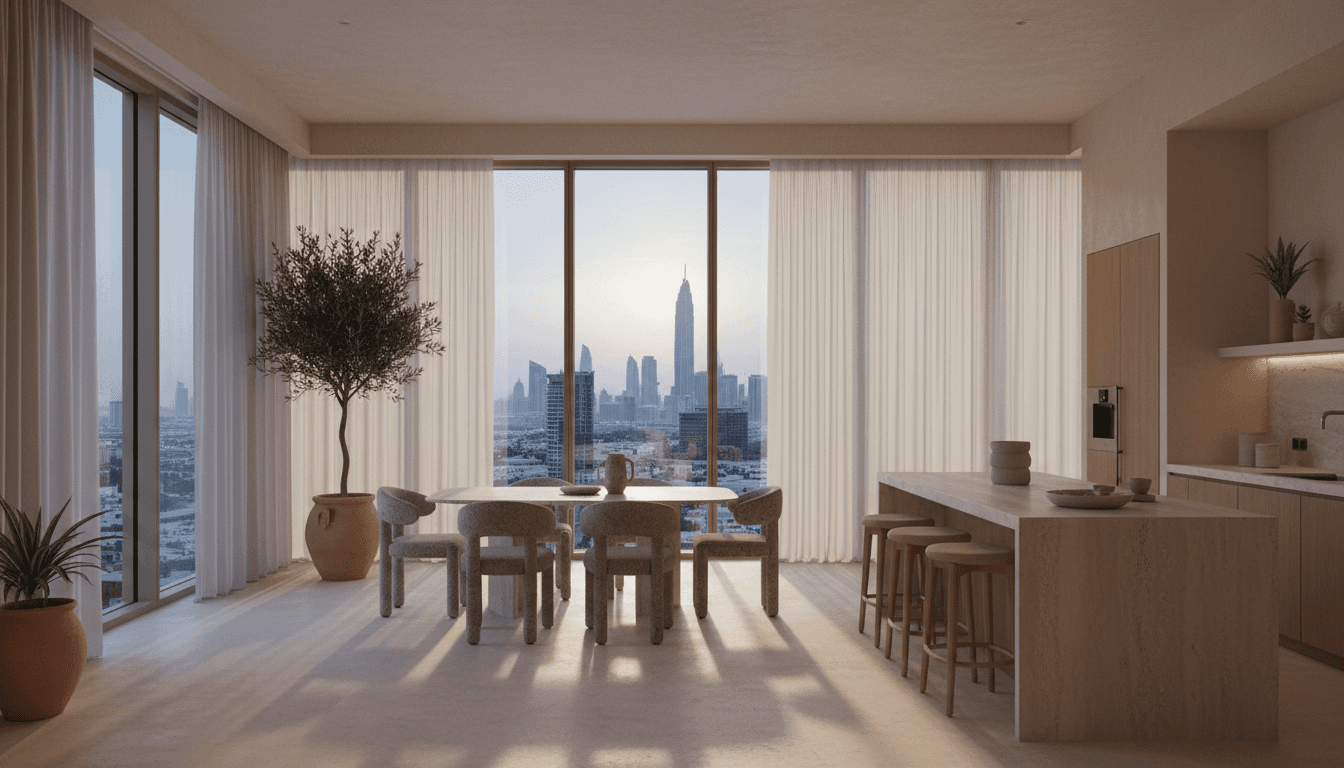
Dubai 2040: A Land Use and Investment Blueprint
A deep dive into the Dubai 2040 Urban Master Plan, analysing specific zoning changes and land use designations to reveal the next generation of property investment hotspots.
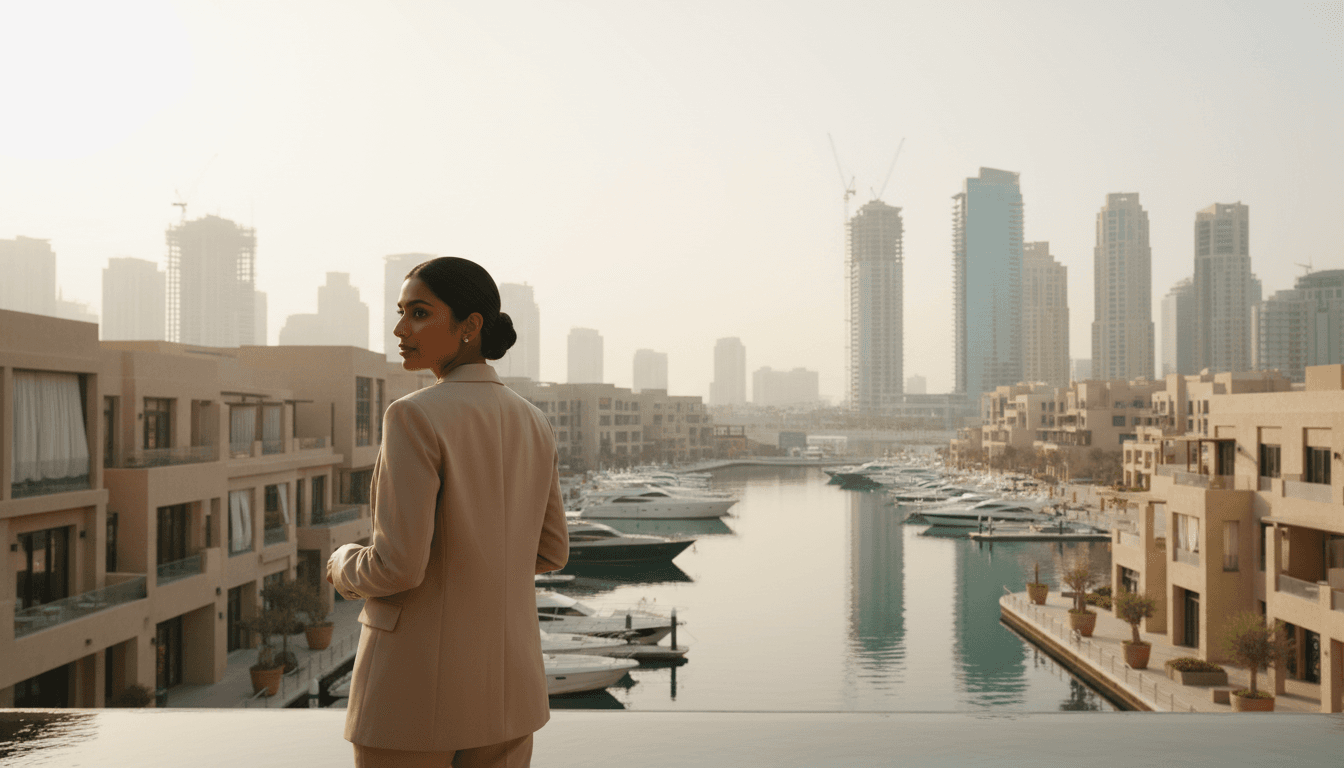
Beyond the Blueprint: The Retail Value Multiplier
It's a simple truth of Dubai real estate: proximity to quality retail and leisure isn't just a perk, it's a powerful driver of property value. I'll explain how operational hubs are creating measurable premiums for investors and residents.
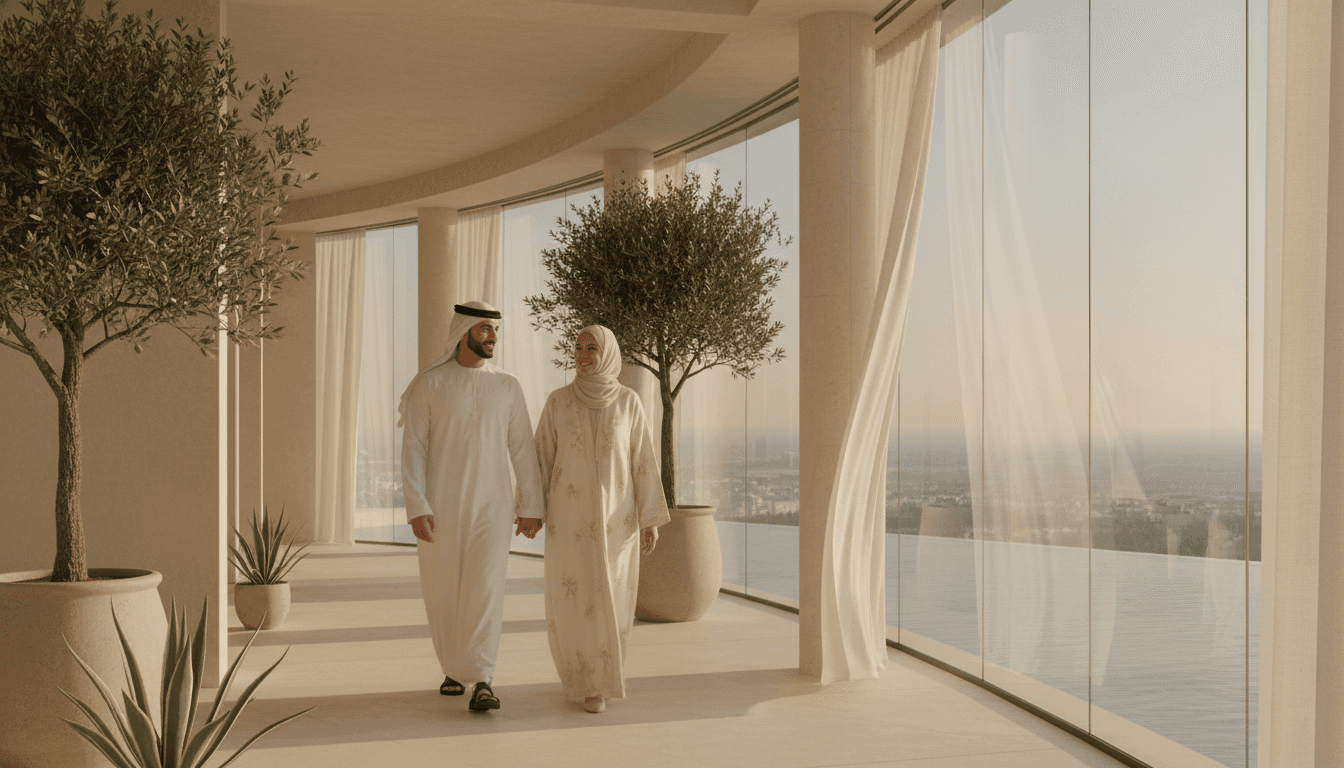
Your Dubai Home Setup Guide
A step-by-step guide for new Dubai homeowners on connecting utilities, setting up essential services, and integrating into your new community.
Echoes, in your inbox
One thoughtful email a month. Market insight, new launches, no spam.