

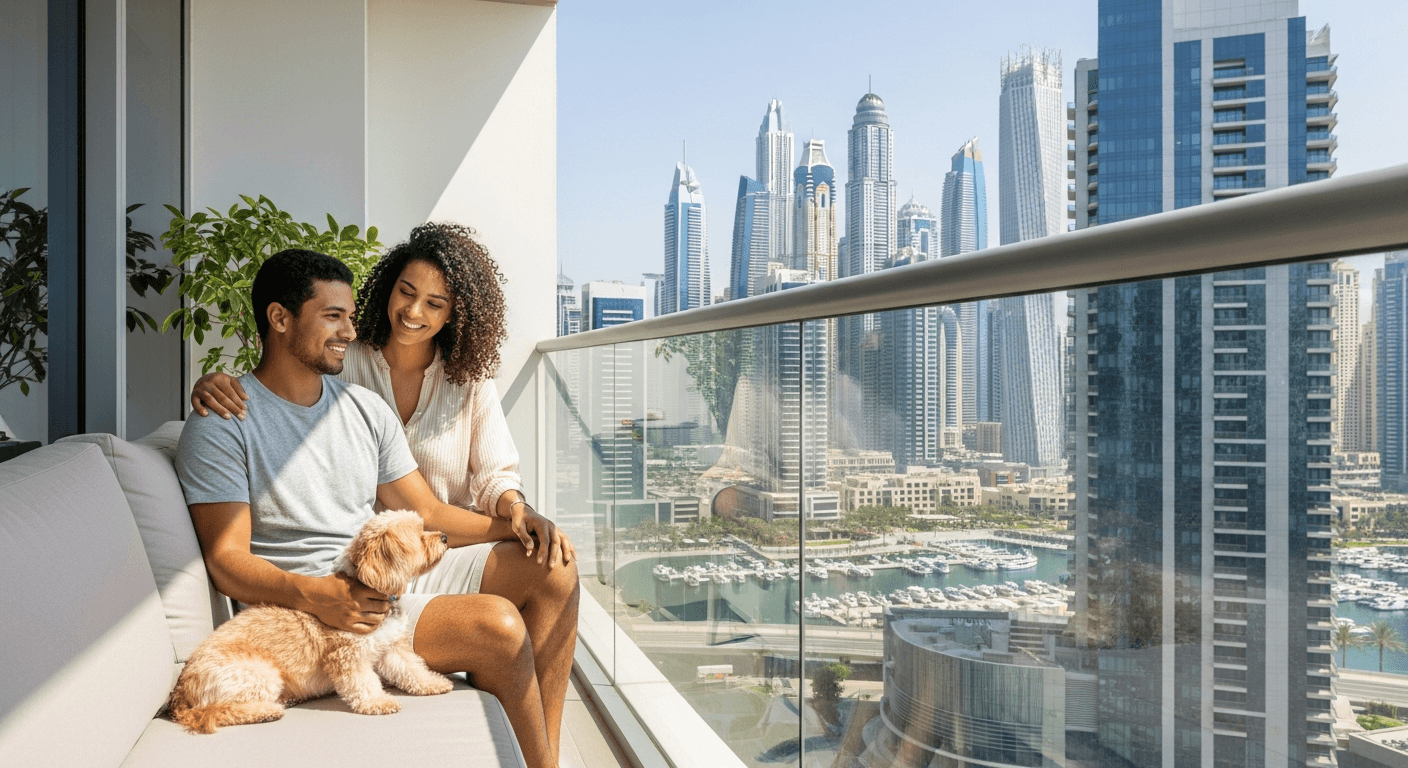
Dubai's Best Pet-Friendly Apartments
Finding a truly pet-friendly apartment in Dubai goes beyond a simple filter. This guide covers how to evaluate building policies, community amenities, and hidden costs.

As an apartment specialist, one of the most frequent and emotionally charged questions I get from clients is deceptively simple: "Can I bring my dog?" For many, a home isn't complete without their four-legged family members, yet navigating the Dubai property market as a pet owner can feel like a labyrinth of conflicting information, unwritten rules, and potential financial traps. The 'pet-friendly' checkbox on a property portal is just the beginning of your due diligence, not the end.
Here at Gaia Living, we believe in empowering our clients with total clarity. This guide is my definitive take on finding, securing, and thriving in pet-friendly apartments in Dubai. We will move past the superficial labels and analyse what makes a building or community truly welcoming for you and your animal companion.
Here’s what we'll explore:
- The real meaning of the "pet-friendly" tag in Dubai's property market.
- Which communities offer the best infrastructure for pet owners.
- The specific apartment amenities that actually matter for you and your pet.
- A full breakdown of the hidden costs, from deposits to ongoing fees.
- How to navigate the legal and contractual side of renting or buying with pets.
- A comparative look at how major developers approach their pet policies.
The "Pet-Friendly" Label: Decoding Dubai's Property Lingo
In Dubai, the term "pet-friendly" isn't a legal classification defined by the Dubai Land Department (DLD) or RERA. It is a description of policy set at the building or community level, which creates a critical distinction many first-time renters or buyers miss. There are essentially two layers of permission you need: the individual landlord and the building's management, which is governed by the Owners Association (OA). A landlord might personally be happy to rent their apartment to a tenant with a cat, but if the building has a strict "no pets" policy enshrined in its official rules, the landlord’s permission is irrelevant. The building's rules always supersede an individual owner's preference.
This is why your first step should always be to get the building's policy in writing. Don't rely on the agent's verbal assurance or the owner's informal 'yes'. You must request a copy of the official 'Community Rules and Regulations' or 'Building Conduct Code'. This document will clearly state the rules regarding pets. It might be an outright ban, it might specify size or breed restrictions (e.g., "dogs under 10kg only"), or it might lay out rules of conduct (e.g., "pets must be transported in service elevators only"). If an agent or landlord is hesitant to provide this document, consider it a major red flag. This single piece of paper can be the difference between a happy tenancy and a future dispute notice.
Another layer of complexity comes from the developer. In master-planned communities, the master developer often sets the overarching tone. A developer like Emaar Properties is well-known for creating integrated communities like Downtown Dubai and Dubai Hills Estate, where parks, walkways, and a general acceptance of pets are part of the lifestyle DNA. This philosophy tends to trickle down to the individual towers within their communities. Conversely, in areas with a patchwork of different developers and standalone towers, like Jumeirah Village Circle (JVC), the policy can vary dramatically from one building to the next. One tower might be a haven for dog owners, while the one right next door might have a rigid no-pets rule. This is why neighbourhood-level research isn't enough; you must investigate the specific tower.
Beyond the Building: What Makes a Community Genuinely Pet-Welcoming?
 Featured project
Assuming you've found a building that allows pets, the next step is to evaluate the surrounding environment. An apartment can have the perfect policy on paper, but if it's located in a concrete jungle with no safe place for a dog to walk, it's not a practical long-term solution. A genuinely pet-welcoming community is one where the infrastructure supports the lifestyle of a pet owner. This means looking for wide pavements, shaded walkways, designated waste bins, and, most importantly, accessible green space.
Let's compare some of Dubai’s most popular apartment hubs from a pet owner's perspective. Dubai Marina is a prime example of a high-density area that works surprisingly well for many. The 7km Marina Walk provides a fantastic, scenic route for daily strolls. The abundance of ground-floor cafes with outdoor seating means you’re never far from a refreshment stop. However, the trade-off is the verticality; you'll be navigating elevators with your pet, and access to actual grass is limited to a few small, landscaped verges. It's a vibrant, convenient option, best suited for small to medium-sized dogs whose owners enjoy an active, urban lifestyle.
For those who prioritise green space above all, Town Square by Nshama is arguably the city's leading example of a pet-centric community. It was designed from the ground up with this in mind. The community offers a large, dedicated dog park where animals can run off-leash, extensive green trails, and a general culture where seeing residents out with their dogs is the norm. The trade-off is its location, which is further out from the central business districts. However, for those who work from home or don't mind the commute, the quality of life it offers pet owners is difficult to match in its price bracket. Similarly, the apartment buildings within Dubai Hills Estate benefit from access to the magnificent Dubai Hills Park and a network of manicured trails, offering a more premium, central alternative.
Other areas offer a good middle ground. Jumeirah Beach Residence (JBR) offers The Walk and direct access to the public promenade, similar to the Marina. Business Bay has the Dubai Canal, which provides a long, continuous path for walks, though green space can be inconsistent. My advice is to physically visit your shortlisted communities at different times of the day. Take a walk from the entrance of your potential building to the nearest park or walking path. Is the journey pleasant and safe? Are there other pet owners around? This real-world test is far more valuable than any brochure or online listing.
Apartment Amenities for Pets: The Wishlist vs. Reality
Inside the apartment itself, certain features can significantly improve your life as a pet owner. When I review floor plans for clients with pets, I look beyond the square footage and focus on practicality. The ideal layout and finishes can prevent stress and minimise maintenance. For instance, flooring is a major consideration. While high-end apartments might feature delicate hardwood or plush carpeting, these are often a nightmare for pet owners. I consistently recommend properties with high-quality porcelain tile, stone, or luxury vinyl tile (LVT). These surfaces are durable, scratch-resistant, and easy to clean, saving you a lot of worry about accidental messes or claw marks.
A well-designed layout is also crucial. Consider an apartment with a small foyer or hallway that allows you to manage an excited dog when entering or leaving, without them bolting directly into the main living space. If you crate-train your pet, look for a nook or utility space where a crate can be placed without obstructing a main thoroughfare. Balcony access and safety are paramount. A spacious, usable balcony is a wonderful bonus, providing a secure spot for your pet to get fresh air. However, you must inspect the railings. Are they fully enclosed with glass, or are there gaps a small pet could slip through? For cat owners, ensuring the balcony is fully netted is a non-negotiable safety measure that you'll likely have to install yourself.
“The best Dubai pet policy is one you don't have to think about because the building's design and community's infrastructure have already solved the daily challenges for you.”
In the luxury segment of the market, we are seeing a welcome trend of developers incorporating dedicated pet amenities directly into their buildings. Newer towers, particularly in prime locations like Business Bay and along the canal, are starting to feature pet grooming stations or 'pet spas'. These are dedicated rooms, usually on the ground or podium level, with professional-grade wash basins, dryers, and grooming tables. This is an incredible convenience, saving you trips to an external groomer. While this feature will be factored into the building's overall service charges, many pet owners I've spoken with find the convenience is well worth the marginal cost. When you're touring new or off-plan properties, it's a feature worth asking about.
Here’s a practical checklist of interior features to look for:
- Durable Flooring: Tile, stone, or high-grade LVT.
- Practical Layout: An entry hall or distinct zones to manage pet movement.
- Secure Outdoor Space: A safe, enclosed balcony or a ground-floor unit with a terrace.
- Good Ventilation: Operable windows to air out the apartment effectively.
- Proximity to Exits: An apartment on a lower floor or close to the service elevator can make those urgent toilet breaks much quicker and less stressful.
The Unseen Costs: Decoding Pet Fees and Service Charges
Securing a pet-friendly apartment involves more than just getting approval; it has tangible financial implications that you must budget for. These `pet fees Dubai apartments` can be broken down into one-off move-in costs and ongoing expenses. The most common upfront cost is an additional security deposit. While the standard rental security deposit is 5% of the annual rent, a landlord is well within their rights to request an additional deposit specifically for the pet. This is to cover any potential damages beyond normal wear and tear, such as scratched doors or stained floors. In my experience, this typically amounts to an extra 2-5% of the annual rent, but it is negotiable. Critically, this should be a *refundable* deposit, returned at the end of your tenancy provided there are no damages, just like your primary deposit.
Some landlords or agents may try to levy a non-refundable "pet fee". This is essentially a charge for the privilege of having a pet in the property. This practice is less common in Dubai than in other global markets, and in my professional opinion, it's something tenants should push back on. A refundable deposit provides fair protection for the landlord against actual damages. A non-refundable fee does not. Always clarify in writing whether any pet-related payment is a refundable deposit or a non-refundable fee before you sign the contract. For buying, there are no direct pet fees paid to the seller, but you need to be aware of the `service charges pet-friendly buildings` might have if they offer special amenities.
Let's create a realistic cost breakdown for a tenant moving into a one-bedroom apartment in a pet-friendly building in Dubai Marina with a dog. This illustrates how the costs for `pet owners Dubai property` can add up.
Hypothetical Move-In Budget (1-Bed in Dubai Marina): - Annual Rent: AED 120,000 - Standard Security Deposit (5%, refundable): AED 6,000 - Additional Pet Security Deposit (negotiated, refundable): AED 5,000 - Real Estate Agency Fee (5% of rent + 5% VAT): AED 6,300 - Ejari Registration Fee: Approx. AED 220 - DEWA Connection & Deposit (standard apartment): AED 2,130 - Empower/Chiller Deposit: Approx. AED 2,000 - Dubai Municipality Pet Registration (one-time): Approx. AED 200 per pet - Move-In Permit Fee (some buildings): Approx. AED 500 - AED 1,000 - Total Upfront Cost: AED 142,150
Beyond these initial outlays, you must budget for ongoing costs. These include annual vaccinations and check-ups (required for the mandatory Municipality registration), pet insurance, professional grooming, high-quality food, and potential dog-walking or daycare services. These can easily add another AED 8,000 to AED 15,000 per year to your household expenses, depending on the size and needs of your pet.
Dubai Pet Policy Apartments: The Legal & Contractual Fine Print
Having a pet in your Dubai apartment is ultimately a contractual right. A verbal agreement is not enough and offers you no protection. For renters, this means ensuring your tenancy contract has a specific pet addendum or clause. This clause should, at a minimum, state that you are permitted to keep a pet, specifying the type, breed, and size. It should also outline your responsibilities regarding noise, hygiene, and liability for any damages. Having this in your Ejari-registered contract is your legal safeguard. If another tenant complains about noise, or if a new building manager tries to change the rules, your signed contract is what protects you from arbitrary penalties or eviction notices.
For buyers, the process is different but equally important. Your Sale and Purchase Agreement (SPA) will not mention pets. The governing documents are the Master Community Declaration and the building's own Rules of Conduct. Before you commit to a purchase and pay your deposit, your agent must procure these documents for your review. This is a standard part of the due diligence we perform for our clients at Gaia Living. If the rules state "no pets," then buying in that building would be a mistake, regardless of what the seller tells you. Remember, as an owner, you become a member of the Owners Association and are legally bound by its rules. Violating them can lead to formal notices and fines levied against your property.
It's also essential to understand the role of Dubai Municipality. According to their regulations, all pet dogs and cats must be registered on the city's pet database, vaccinated, and microchipped. The Municipality also publishes a list of prohibited dog breeds that are banned from being imported or kept in the UAE. As of my latest review, this list includes breeds like Pit Bulls, Mastiffs, and Rottweilers. However, individual buildings or communities can and often do have their own, *stricter* list. It's not uncommon for a community to restrict all "large" or "powerful" breeds, even if they aren't on the official government-banned list. This is another critical detail to verify in the building's written rules.
The Developer's Role: Emaar vs. Nakheel vs. The Rest
The philosophy of the master developer has a profound impact on the day-to-day reality of being a pet owner. Their approach to urban planning, landscaping, and community management sets the tone for everything else. Emaar Properties has built its brand on creating holistic lifestyle communities, and a welcoming attitude towards pets is a key part of that. In areas like Downtown Dubai, the wide boulevards and Burj Park are hubs for dog walkers. In Dubai Hills Estate, the sheer scale of the green spaces makes it a suburban paradise for pets and their owners. This consistent, community-wide approach provides a level of certainty that is highly attractive to pet owners.
Nakheel, the master developer behind iconic projects like Palm Jumeirah, presents a more varied landscape. The Golden Mile Galleria park and the Palm's trunk running track are excellent amenities for pet owners. However, the pet policy can be inconsistent from one apartment tower to another. Some of the original Shoreline Apartments had stricter rules initially, which have relaxed over time in many buildings, but it still requires tower-by-tower verification. This highlights the need to differentiate between the master community's public spaces and the rules of the specific vertical community you plan to live in.
Other developers have carved out their own niches. Damac Properties has developed sprawling communities like Damac Hills, which offer abundant space, parks, and a villa-centric lifestyle that naturally accommodates pets. For their high-rise towers in areas like Business Bay, the policy is more building-specific. On the luxury lifestyle end, developers like Meraas have created highly walkable, pet-friendly destinations like City Walk and Bluewaters Island. The pedestrian-friendly design and abundance of outdoor dining make them socially excellent for pet owners, but this comes at a premium price point. For buyers and renters, understanding the developer's track record is a valuable shortcut in your search.
My Verdict: Finding Your Perfect Pet-Friendly Pad
Finding the right home for you and your pet in Dubai is entirely possible, but it requires a methodical approach. It demands that you look past the marketing slogans and dig into the details: the community rules, the physical infrastructure, the apartment layout, and the contractual fine print. The market has matured significantly, and the demand from `pet owners Dubai property` has pushed developers and landlords to become more accommodating. The options available today are far better than they were a decade ago.
My ultimate advice is to match the community to your pet's needs and your own lifestyle. If you have a high-energy, large dog, the space and freedom of a community like Town Square or a ground-floor apartment in Dubai Hills Estate will likely be the best fit. If you're a young professional with a small dog or a cat and you value urban convenience, the right tower in Dubai Marina, JBR, or Business Bay can offer a fantastic and perfectly manageable lifestyle. The key is choosing a building where being a pet owner is the norm, not a tolerated exception.
Never underestimate the importance of doing your own on-the-ground reconnaissance. Walk the neighbourhood, talk to other pet owners you see, and read the building rules with your own eyes. This diligence at the start of your search will pay dividends, ensuring a peaceful and happy home for every member of your family — two-legged or four. At Gaia Living, this is the level of detail we bring to every client's search, ensuring that the property you choose truly fits every aspect of your life.
The best `pet-friendly apartments in Dubai` are found by verifying the building's written rules first, then assessing the community's real-world infrastructure, and finally, by budgeting for all associated costs, including potential pet deposits and ongoing care.
Sources
- Dubai Land Department (DLD): https://dubailand.gov.ae/
- UAE Government Portal (for Dubai Municipality rules): https://u.ae/en/information-and-services/environment-and-energy/animal-welfare
Questions, answered
- Are most apartments in Dubai pet-friendly?
- No, it's not a given. Pet-friendliness depends on the individual building's management and the Owners Association rules, not a city-wide policy. Always verify the specific building's written policy before signing any contract.
- Can a landlord in Dubai charge a 'pet fee'?
- A landlord may request an additional, refundable security deposit for potential pet-related damages, which is common. A separate, non-refundable 'pet fee' is less common and can often be negotiated.
- Which areas in Dubai are best for dog owners?
- Master-planned communities with ample green space are ideal. My top recommendations include Dubai Hills Estate for its central park, Town Square for its dedicated dog park and green corridors, and parts of Dubai Marina and JBR for their long walking promenades.
- How do I check a building's official pet policy before buying or renting?
- For rentals, request a copy of the building's 'Community Rules & Regulations' from the agent or landlord. For purchases, this document should be reviewed along with the Master Community Declaration before you sign the Sale and Purchase Agreement (SPA).
- Do pet-friendly buildings have higher service charges?
- Not necessarily. If a building has specialised pet amenities like a pet spa, the cost will be part of the general service charge budget. However, a well-managed, pet-friendly building doesn't inherently cost more than a comparable non-pet-friendly one.
- What happens if I have a pet in a building that doesn't allow it?
- You would be in breach of your tenancy contract and the building's rules. The landlord or building management could issue a formal notice, and if the issue isn't resolved, it could lead to fines or a formal eviction case filed at the Rental Disputes Center (RDC).

Ravi lives and breathes apartment living — from studio yields in JVC to branded residences on the Palm. Floor plans, service charges, and view lines are his love language.
Related stories
Dubai's AC Dilemma: The Real Cost of Cooling
Your apartment's air conditioning is more than just a utility—it's a major factor in your monthly budget and comfort. I'll break down the real costs and benefits of Dubai's two main cooling systems, helping you choose your next home wisely.
Managing Multiple Offers: A Dubai Seller's Playbook
Receiving multiple offers on your Dubai property is an excellent problem to have, but handling it incorrectly can cost you time and money. Here’s my strategic playbook for managing competitive bids to secure the best possible outcome.

Gifting Property to Family in Dubai
Thinking of transferring a Dubai property to a family member? Learn how to navigate the DLD's rules for gifting to first-degree relatives and significantly reduce your transfer costs.
Echoes, in your inbox
One thoughtful email a month. Market insight, new launches, no spam.