

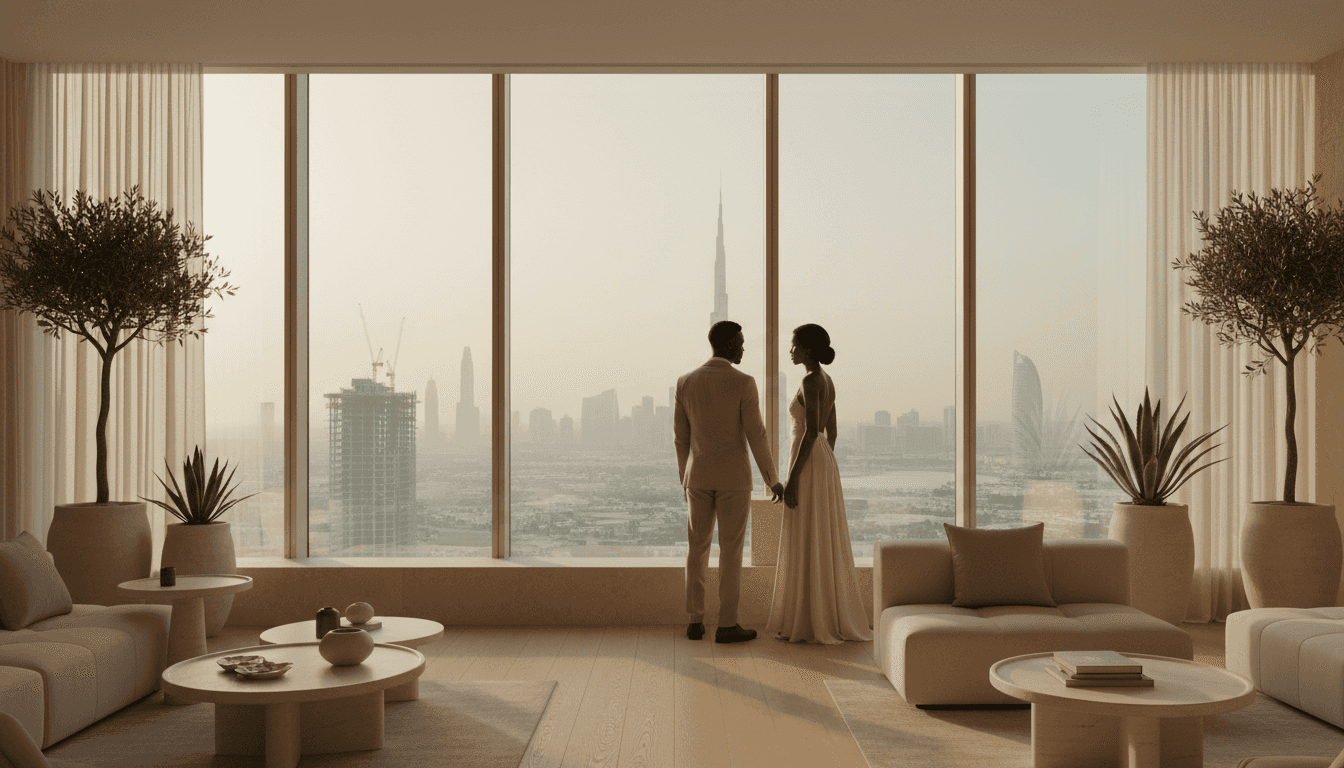
Dubai Furnished Resale: Smart Bet or Overpriced Convenience?
A new wave of demand for high-end, turnkey apartments is reshaping Dubai's resale market. I analyse whether the premium for furnished properties is a shrewd investment or an expensive shortcut.

The dynamic of Dubai's property market is shifting once again. For years, the conversation was dominated by off-plan versus secondary, villa versus apartment. Now, a more nuanced trend is gaining significant traction: the rising demand for high-end, fully furnished apartments on the resale market. This isn't about standard developer furniture packs; this is about bespoke, interior-designed homes that offer a complete, turnkey lifestyle from day one. For time-poor executives, newly arrived Golden Visa holders, and savvy investors, the appeal is obvious. But as a professional who scrutinises value, I have to ask the critical question: is this a smart investment strategy, or are buyers simply paying an inflated premium for convenience? The answer isn't straightforward and requires a deep dive into the numbers, the target audience, and the very definition of 'value' in today's market.
Here's what we'll explore:
- The anatomy of the 'furnished premium' and what it truly covers.
- The investor's calculus: how furnished units impact rental yields and tenancy.
- A detailed, line-by-line breakdown of the real costs involved.
- The risks and hidden pitfalls of buying a turnkey property.
- Key Dubai communities where this trend is most pronounced.
- The perspective of both end-users and investors.
- My final verdict on whether this is a durable trend or a fleeting phenomenon.
The Anatomy of the Furnished Premium
When we discuss the premium on a furnished property, it’s a common mistake to think only of the material cost of the furniture. A potential buyer might walk through a beautifully staged two-bedroom apartment in Dubai Marina, mentally tally up the cost of the sofas, beds, and dining table from a retailer, and conclude the seller’s asking price is inflated by AED 300,000. This is a fundamental miscalculation. The `furnished property premium` is a composite value, and understanding its components is the first step for any serious buyer or investor. The true premium encompasses the cost of goods, the cost of labour and design, and crucially, the economic value of time and convenience.
First, let's consider the FF&E (Fixtures, Fittings, and Equipment) itself. In the high-end segment we're discussing, this is rarely off-the-shelf. We're talking about pieces sourced from international designers, custom-built joinery, and high-spec appliances from brands like Miele, Gaggenau, or Sub-Zero. A single, well-crafted sofa from a European brand can cost upwards of AED 50,000. A full dining set can be double that. When you see a property furnished with brands like Poliform, Minotti, or B&B Italia, the seller isn’t just selling a place to sit; they are selling a piece of design. The cost of these items, plus shipping, import duties, and installation, can easily run into hundreds of thousands of dirhams. This is a world away from a standard furniture pack offered by a developer, which is designed for mass production and durability over aesthetic uniqueness.
Second is the design and project management component. A truly well-executed furnished apartment has been curated by an interior designer. This involves creating a cohesive design scheme, space planning, sourcing materials, managing contractors for any upgrades (like custom lighting, wall finishes, or smart home integration), and overseeing the entire installation process. This professional service is a significant cost. Interior design fees can range from 10-20% of the total project budget. For a project with a fit-out cost of AED 500,000, that’s an additional AED 50,000-100,000 in design fees alone. This is the invisible part of the premium — the expertise that ensures the apartment doesn't just contain expensive things, but that it functions as a harmonious and luxurious space.
Finally, and perhaps most importantly for many buyers today, is the convenience premium. Furnishing a high-end apartment in Dubai from scratch is a complex, time-consuming process. It can take anywhere from three to nine months to source, order, ship, and install everything. This involves dealing with multiple vendors, contractors, and logistics providers. For a high-net-worth individual moving to Dubai, a senior executive on a new assignment, or an investor wanting immediate rental income, this delay represents a significant opportunity cost. What is nine months of their time worth? If the apartment can be rented out for AED 30,000 per month, a nine-month delay represents AED 270,000 in lost income. If an end-user has to rent a temporary home and store their belongings, the costs quickly add up. The turnkey nature of a furnished apartment eliminates this entirely. You can close the deal on a Monday and, in theory, move in or rent it out on Tuesday. This immediacy has a tangible, calculable economic value, and it forms a major part of the `fully furnished apartment value`.
The Investor's Calculus: Yields and Tenancy
 Featured project
For property investors, the decision to buy a furnished apartment hinges on a clear-eyed analysis of the potential returns. The core of any `Dubai furnished apartments investment` strategy is the trade-off between a higher purchase price and the potential for superior rental income. The numbers often tell a compelling story. In prime locations, a furnished apartment can achieve a rental rate that is 15-25% higher than a comparable unfurnished unit on a standard one-year contract. In the short-term rental market, that premium can be even more significant. This is because the target tenants for these properties are fundamentally different.
An unfurnished apartment typically attracts long-term residents — families or individuals looking to put down roots for several years. They prefer a blank canvas to make their own. A high-end furnished apartment, by contrast, appeals to a more transient but affluent clientele. This includes corporate tenants, where a company rents a premium apartment for a visiting executive or a newly relocated manager for a 3-6 month period. It also includes new residents to Dubai who want a comfortable, high-quality base while they search for a more permanent home or wait for their own belongings to arrive. Finally, there's the lucrative tourist and 'digital nomad' market, managed via holiday home platforms. These tenants are willing to pay a premium for the convenience of a hotel-like experience with the space and privacy of a home. They are not comparing the rent to an empty apartment; they are comparing it to a long-term hotel stay, against which a furnished apartment often looks very attractive.
This ability to command higher rent directly impacts the gross rental yield. For example, a standard two-bedroom apartment in Downtown Dubai might rent for AED 200,000 per year unfurnished, generating a gross yield of around 5.7% on a AED 3.5 million purchase price. A comparable, beautifully furnished unit might be acquired for AED 3.9 million. If it's rented on a short-term basis with an average occupancy of 85% at an average rate of AED 35,000 per month, the annual income could reach AED 357,000. This results in a gross yield of approximately 9.1% on the higher purchase price. This is the simple maths that attracts `investor furnished units Dubai`. However, it's crucial to look beyond the gross figure. Managing short-term lets involves higher costs: frequent cleaning, maintenance, higher utility bills (often included in the rent), and management fees to a holiday home operator, which can be 15-20% of the rental income. These operational costs eat into the net yield, and investors must model these carefully.
Beyond that, the tenancy profile carries different risks. While long-term tenants offer stability and predictable cash flow, the short-term market can be more volatile and susceptible to seasonal fluctuations and broader economic shifts affecting tourism and business travel. An investor must have the financial buffer to handle potential vacancy periods. The wear and tear on the property and its contents is also significantly higher. A long-term tenant often treats a property as their own, whereas a stream of short-term occupants will inevitably lead to more scuffs, breakages, and general depreciation of the furniture and fittings. A savvy investor will need to set aside a sinking fund specifically for the regular refreshment and replacement of the FF&E to maintain the apartment's premium appeal and justify its higher rental rate over time. Without this, the 'furnished premium' can quickly erode.
The Real Cost: A Line-by-Line Breakdown
To move from theory to practical reality, it's essential to map out the full acquisition cost. The sticker price is just the beginning. The `resale market trends Dubai` show a clear premium for quality furnished units, but buyers must be prepared for all associated costs. Let’s walk through a realistic example of purchasing a high-end, two-bedroom furnished apartment in a prime location like Emaar Beachfront.
Let’s assume the agreed purchase price for the furnished apartment is AED 4,500,000. Here’s a detailed breakdown of the upfront costs you would face, as per the regulations set by the Dubai Land Department (DLD).
Example Cost Breakdown for a Furnished Apartment Purchase: * Purchase Price: AED 4,500,000 * Dubai Land Department (DLD) Transfer Fee: 4% of Purchase Price = AED 180,000 * DLD Registration Fee: AED 4,200 (for properties over AED 500,000) * Real Estate Agency Fee: 2% of Purchase Price + 5% VAT = AED 94,500 * Mortgage Registration Fee (if applicable): 0.25% of Loan Amount (on a typical 75% LTV mortgage of AED 3,375,000) = AED 8,437.50 * Bank Mortgage Arrangement Fee (if applicable): Typically 1% of Loan Amount + 5% VAT = AED 35,437.50 * Property Valuation Fee (required by bank): Approx. AED 3,000 - AED 5,000 + 5% VAT = ~AED 4,200 * Trustee Office Fee: AED 4,200 * Developer No Objection Certificate (NOC) Fee: Varies by developer, typically AED 500 - AED 5,000. Let's assume AED 5,250 (including VAT). * Initial 'Refresh' & Deep Cleaning Fund: A prudent allocation for minor repairs, repainting, and professional deep cleaning before moving in or listing for rent. Let’s budget a conservative AED 25,000.
Total Upfront Cash Required (with 25% down payment): * Down Payment (25%): AED 1,125,000 * Total Fees & Funds (as above, assuming mortgage): AED 357,025 * Grand Total Cash Outlay: Approximately AED 1,482,025
This breakdown makes it clear that the initial cash required is substantially more than just the down payment. For a furnished property, the 'Refresh Fund' is particularly critical. The property may look perfect during a viewing, but upon taking possession, you might find the sofa has lost its firmness, the mattress needs replacing, or scuff marks are hidden by cleverly placed rugs. This fund provides a buffer to bring the apartment back to 'as-new' condition, protecting your investment and ensuring it can command the highest possible rent from day one. It's a cost that many first-time buyers in this segment overlook.
Another crucial financial point, especially for mortgaged buyers, is the bank's valuation. Lenders in the UAE, regulated by the Central Bank of the UAE, base their lending on the appraised value of the physical property, often excluding the value of the furniture. If the bank's valuer determines the unfurnished value of our example apartment is AED 4.2 million, they will only lend up to 75% of that figure (AED 3.15 million), not 75% of the AED 4.5 million purchase price. This means the buyer would need to cover the entire 'furnished premium' of AED 300,000, plus their 25% down payment on the valued price, in cash. This can significantly increase the barrier to entry and is a vital point to clarify with your mortgage advisor early in the process. It's a detail that separates the prepared buyer from one who faces a financing shortfall just before transfer.
The Risks and Hidden Pitfalls
While the allure of a turnkey property is strong, buying a furnished apartment on the secondary market is not without its risks. The convenience can sometimes mask underlying issues that a buyer of an unfurnished property would spot more easily. A critical eye and thorough due diligence are non-negotiable. The single biggest risk is overpaying for style over substance. A seller can use trendy furniture and clever staging to distract from more serious problems like poor build quality, outdated AC systems, or plumbing issues. I have seen apartments that present beautifully but have significant deferred maintenance hidden just beneath the surface.
One of the first things to scrutinize is the quality and condition of the furniture itself. Depreciation on furniture is rapid and unforgiving. That stunning designer sofa may have looked great in a magazine five years ago, but after years of use (especially if it was in the short-term rental pool), its lifespan could be nearing its end. You must inspect everything physically. Sit on the chairs, open the cabinets, check the mattresses. Request a detailed inventory list from the seller, ideally with the age and brand of major items. A seller who is confident in their premium will be transparent about this. Be wary if the details are vague. You are not just buying a look; you are inheriting assets that have a finite life and will need to be replaced. Factoring this future replacement cost into your initial calculation is essential.
Another pitfall is the subjective nature of taste. What one person considers the pinnacle of high-end design, another might find dated or simply not to their liking. If you are an end-user, you must be honest with yourself: do you genuinely love the style, or are you just seduced by the convenience? If you end up wanting to replace a significant portion of the furniture within a year or two, you will have effectively paid the premium for nothing. For investors, this is less of an emotional decision but still a commercial one. The chosen style must have broad appeal to the target rental demographic in that specific area. An overly niche or personal design theme, however expensive, might limit your pool of potential tenants and result in longer vacancy periods.
“In the resale market, what you see is what you get, and that includes the wear and tear. A fresh coat of paint can hide a multitude of sins, so a professional snagging report is more critical for a furnished unit than for an empty one.”
Finally, buyers must investigate the ongoing costs associated with the building. High-end furnished apartments are often located in premium towers with extensive amenities — resort-style pools, state-of-the-art gyms, concierge services. These amenities come with high service charges, which are levied on a per-square-foot basis and must be paid annually. Before purchasing, you must obtain the service charge history for the past few years from the seller or the building management. An apartment in a tower in DIFC or on Palm Jumeirah could have service charges of AED 25-35 per square foot. For a 1,500 sq ft apartment, that's an annual bill of AED 37,500-52,500. This is a significant carrying cost that directly impacts an investor's net yield and an end-user's annual budget. Ignoring this can lead to a nasty surprise after the deal is done.
Hotbeds of the Turnkey Trend: Where to Look
The demand for `high-end resale Dubai` furnished apartments is not uniform across the city. It is concentrated in specific communities that align with the lifestyle and needs of the target demographic. These are areas characterized by a high density of premium residential towers, excellent connectivity, and a vibrant ecosystem of dining, retail, and leisure amenities right on the doorstep. These are the neighbourhoods where convenience is king and where the premium for a turnkey solution is most readily paid.
Unsurprisingly, the epicentres of this trend are Dubai's most globally recognized and aspirational addresses. Downtown Dubai, with its proximity to the Burj Khalifa, Dubai Mall, and plenty of five-star hotels and restaurants, is a prime example. The area attracts a steady stream of tourists, business travellers, and new residents who want to be at the heart of the action. Buildings like The Address Residences, Vida, and branded projects by Emaar Properties are hotspots for furnished resale units. Similarly, Dubai Marina and its newer, more exclusive neighbour, Emaar Beachfront, are perennial favourites. The lifestyle of waterfront living, yacht clubs, and beach access is a powerful draw. An investor buying a furnished unit here is tapping into a very mature and liquid short-term rental market.
Palm Jumeirah is another key market. The island's brand is synonymous with luxury. Branded residences managed by five-star hotel operators (like the St. Regis, W, and FIVE) are particularly sought after. Here, the 'furnished' component is often part of a mandatory hotel-managed rental pool. While this offers a hands-off investment, the management fees and operational rules are strict. Beyond these hotel-branded units, private apartments in buildings like Shoreline, Tiara, and various projects on the crescent often come to the resale market with high-end custom fit-outs, appealing to buyers who want the Palm address with more personal control over their property. We also see strong demand in newer, ultra-luxury enclaves like Bluewaters Island, home to Ain Dubai, and the exclusive Jumeirah Bay island, where scarcity and prestige drive significant premiums.
Beyond these prime coastal and downtown locations, other areas are emerging. Business Bay, with its proximity to Downtown and DIFC, has a vast inventory of modern apartments that are popular with young professionals and corporate tenants. As the canal-front lifestyle evolves, furnished units here are becoming an increasingly popular investment class. Even in emerging communities, we see pockets of this trend. In projects developed by renowned quality-focused builders like Omniyat or in master communities with a strong lifestyle proposition, sellers who have invested in a superior interior fit-out are finding a receptive audience. The key is that the quality of the furnishing and the prestige of the location must be aligned. A luxury fit-out in a secondary location will struggle to command the same premium as the same fit-out in a prime address.
End-User vs. Investor: Two Sides of the Same Coin
The decision to buy a furnished apartment is filtered through two very different lenses: that of the end-user who will live in the property, and that of the investor who will rent it out. While they may be bidding on the same property, their motivations and success metrics are distinct.
For the end-user, the primary driver is emotional and practical. The purchase is about acquiring a home. The convenience of a turnkey property can be immense, especially for those relocating to Dubai from another country. It removes the stress of a major project at a time when they are already navigating a new job, new schools, and a new city. The ability to move straight into a comfortable, fully functional home is a powerful value proposition. The 'premium' paid is weighed against the cost and time of renting temporary accommodation, sourcing furniture, and managing a fit-out. For a busy C-suite executive, their time is their most valuable asset, and paying a premium to save three months of hassle is often a price well worth paying. The risk, as mentioned earlier, is one of personal taste. The property must feel like 'home'. If the design is not a perfect fit, the initial convenience can give way to the frustration and expense of redecoration.
At Gaia Living, we advise our end-user clients to create a 'personalization budget'. Even with a perfectly furnished apartment, there will be a desire to make it one's own — new artwork, different soft furnishings, perhaps a change in wall colour. Factoring in an additional 5-10% of the property value for these personal touches is a realistic approach. It allows the buyer to enjoy the 90% convenience of the turnkey solution while still having the scope and budget to add their own personality and make the space truly theirs. This pragmatic approach helps bridge the gap between the seller's creation and the buyer's vision of home.
For the investor, the decision is entirely unemotional and data-driven. The property is not a home; it is an asset on a balance sheet, and its performance is measured in numbers: gross yield, net yield, ROI, and capital appreciation. The investor must be able to dispassionately assess the quality of the finish and furniture not for its personal appeal, but for its durability and appeal to the target rental market. The key question is: will this specific level of furnishing allow me to achieve a rental income that justifies the higher acquisition cost and generates a superior net yield after all costs are accounted for? This requires thorough research into comparable rental rates for both furnished and unfurnished units in the immediate vicinity.
Successful `investor furnished units Dubai` are those where the investor has a clear strategy from the outset. Are they targeting the high-yield, high-touch short-term rental market? If so, they need to partner with a reputable holiday home management company and have a robust budget for maintenance and replacement. Or are they targeting the corporate leasing market, which may offer longer tenancies (6-12 months) and less wear, but requires a different marketing approach? The investor must also consider their exit strategy. When it comes time to sell, will the `resale market trends Dubai` still favour furnished apartments? While the current trend is strong, markets evolve. A wise investor buys a property where the underlying asset — the location, the view, the build quality, is strong enough to hold its value, with or without the furniture. The furnishing is the yield-enhancer, but the core real estate must be sound.
The Final Verdict: Smart Bet or Fleeting Trend?
After weighing the evidence, my verdict is that investing in a high-end furnished resale apartment can be a very smart bet, but only for the right buyer with the right strategy. It is not a guaranteed path to riches, and the premium for convenience is very real. This is not a fleeting trend driven by market froth; in my view, it’s a structural shift reflecting the changing demographics and expectations of Dubai's residents and investors.
The city's continued success in attracting global talent, entrepreneurs, and wealth means a constant influx of people who are time-poor and value-rich. They expect and are willing to pay for smooth, high-quality experiences in all aspects of their lives, including their housing. The turnkey apartment is a product perfectly tailored to this demographic. For them, the hassle, time, and uncertainty of a self-managed fit-out in a new country represent a risk and a cost they are happy to offload. Therefore, the demand side of the equation for well-located, genuinely high-quality furnished properties looks set to remain robust.
For an investor, the opportunity is clear but requires diligence. The potential to achieve significantly higher rental yields is the main prize. By targeting the corporate and short-term rental markets, a furnished apartment can outperform a standard unfurnished unit by a considerable margin. However, this is an active form of investment. It requires more management, a higher tolerance for vacancy periods, and a disciplined approach to maintenance and sinking funds. It is not a 'set and forget' strategy. The investors who succeed will be those who model their costs meticulously, understand their target tenant, and buy in locations with proven, durable demand.
For an end-user, the calculation is more personal but no less important. The key is to separate the genuine value of the FF&E and design from the emotional appeal of convenience. A thorough inspection, a detailed inventory, and an honest self-assessment of whether the style truly resonates are paramount. If the property ticks these boxes, paying the premium can be a fantastic way to accelerate your settlement in Dubai and start enjoying the lifestyle from day one. But if there are doubts, it may be more prudent to buy an unfurnished unit and invest the savings into creating a home that is unequivocally your own.
The premium for a high-end furnished apartment is a calculated blend of material cost, design service, and the economic value of time. For a discerning investor or a time-poor end-user, paying this premium can be a strategic and value-accretive decision, provided the due diligence is exhaustive and the asset's quality, location, and underlying numbers are sound. This is not overpriced convenience; it's the price of immediacy in a world that increasingly values time above all else.
Sources
- Dubai Land Department (DLD): https://dubailand.gov.ae/en/
- Central Bank of the UAE: https://www.centralbank.ae/en/
- The UAE Government Portal (u.ae) - Property Purchase Costs: https://u.ae/en/information-and-services/business/real-estate
Questions, answered
- Is the premium for a furnished apartment in Dubai worth it?
- It depends on your goals. For investors targeting higher-yield short-term rentals or corporate tenants, the premium can be justified by immediate rental income and higher rates. For end-users, it offers convenience but you must verify the quality and style align with the price.
- Do furnished apartments in Dubai generate higher rental yields?
- Generally, yes. Furnished apartments command higher rents, especially in the short-term rental market where turnkey solutions are expected. This can lead to gross yields of 8-12% or more, compared to 5-7% for typical long-term unfurnished units, but management costs are also higher.
- What are the hidden costs of buying a furnished resale apartment?
- Beyond the purchase price and standard DLD fees (4%), hidden costs can include the need for immediate repairs or replacement of worn furniture, high service charges in premium buildings, and potentially higher agency fees. Always budget for a 'refresh' fund of at least AED 20,000-50,000 for a high-end unit.
- Which areas in Dubai are best for investing in furnished apartments?
- Prime areas like Dubai Marina, Downtown Dubai, Palm Jumeirah, and Business Bay are top choices due to their popularity with tourists, executives, and new residents seeking convenience. These areas have a mature short-term rental market and strong demand for move-in ready properties.
- How do I assess the value of the furniture in a resale property?
- Request a detailed inventory list with brands, age, and original purchase prices if possible. Conduct a thorough inspection for wear and tear. Factor in not just the material cost but also the design, curation, and the time and logistics you save by not having to furnish it yourself.
- Can I get a mortgage for a furnished apartment in Dubai?
- Yes, you can. However, banks in the UAE typically base their valuation on the property itself, excluding the furniture. This means the 'furnished premium' may need to be covered by you in cash, effectively increasing your required down payment.

Omar tracks the announcements that move the market — new launches, regulation, mega-projects, and developer moves — and tells you what they actually mean for buyers.
Related stories
Homes for the Whole Family: Dubai's Best Neighbourhoods
Explore the best Dubai neighbourhoods for multi-generational living, from sprawling villas with annexes to paired apartments that keep family close but independent.
Mastering the School Run: Dubai's Best Villa Communities
Say goodbye to traffic stress. Sophia Al-Khoury reveals the Dubai villa communities with the easiest school access, ranking them on commute times and family-friendly infrastructure.

Valuing Your Dubai Apartment’s Concierge Services
I explore how to properly assess the real value of concierge and premium services in Dubai's luxury apartment market, weighing them against the service charges you pay.
Echoes, in your inbox
One thoughtful email a month. Market insight, new launches, no spam.