

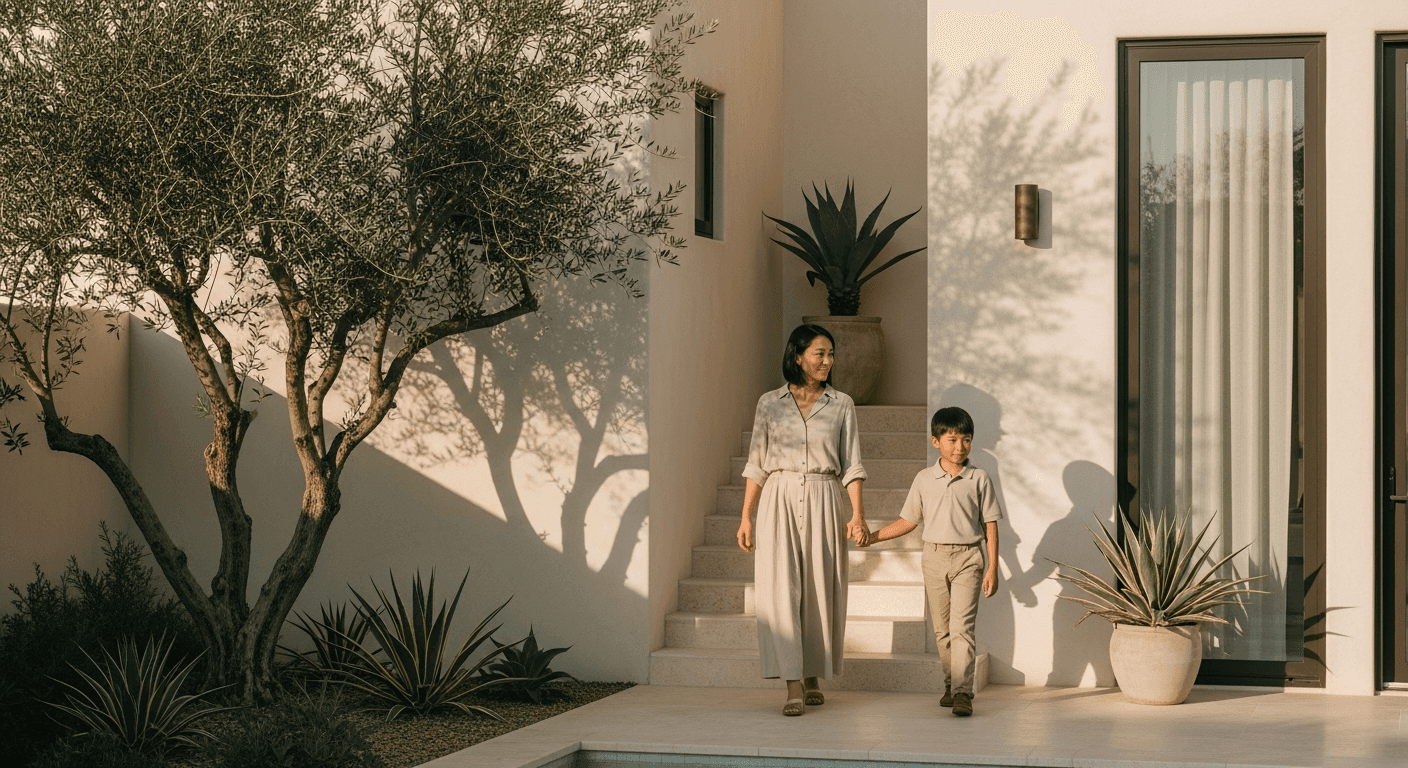
Dubai Apartment Renovation: Budgets & Real Value
A detailed guide to renovating your Dubai apartment, covering realistic costs, the permit process, and which upgrades add the most value for owners and investors.

As the Apartments Editor, I see the constant allure of the new. Glossy brochures for off-plan launches promise pristine finishes and the latest amenities. Yet, some of the smartest money in Dubai real estate is being spent not on the new, but on transforming the old. Renovating a well-located, generously-sized older apartment can unlock value and create a home that new builds often struggle to match in character and space.
Here's what we'll explore in this detailed guide:
- The critical first step: Understanding the permit and NOC process in Dubai.
- How to set a realistic budget, with tiered cost breakdowns.
- A line-by-line cost example for a typical two-bedroom apartment renovation.
- Deep dives into kitchen and bathroom upgrades that deliver maximum ROI.
- Other value-adding renovations that buyers and tenants notice.
- How to choose the right contractor and avoid common pitfalls.
- A final verdict on how to calculate your return on renovation.
The First Hurdle: Permits, NOCs, and Dubai's Renovation Rules
Before you pick up a single tile sample or browse for kitchen appliances, the first and most critical phase of any Dubai apartment renovation is navigating the paperwork. Many owners, especially those new to the city, underestimate this step and assume that what happens inside their four walls is their business alone. This is a costly mistake. In Dubai, almost any modification beyond a simple coat of paint requires a sequence of approvals, and attempting to bypass this process can result in hefty fines, forced reversal of the work, and serious disputes with your building management.
Your journey begins with a No Objection Certificate, or NOC. You will likely need two of them. The first is from your building's Owners Association Management (OAM). They are concerned with the impact of your renovation on the building's common areas and infrastructure. Will there be excessive noise? Is your contractor properly insured against damages? Will the work affect the building's main plumbing stacks or electrical load? The second NOC is often from the master developer of the community, such as Emaar Properties for Downtown or Nakheel for Palm Jumeirah. Their interest is in maintaining the overall structural integrity and aesthetic standard of their development.
Once you have these NOCs, your licensed contractor can apply for the final permit from the relevant jurisdictional authority. For many freehold areas, this is Trakhees; for others, it is the Dubai Development Authority (DDA) or Dubai Municipality. They review the technical drawings to ensure compliance with building codes, safety standards, and fire regulations. This is not a step you or an unlicensed handyman can do; it must be handled by a contractor with a valid trade license and the correct portal access. The entire process, from first application to final permit in hand, can take anywhere from two to six weeks, so this must be factored into your project timeline. It is the contractor's responsibility to manage this, and you should ensure their fee includes it.
What requires a permit? The list is extensive. If you plan to move a wall (even a non-load-bearing one), alter any plumbing or electrical wiring, change the flooring material, or replace your entire kitchen or bathroom, you need a permit. Even seemingly minor works like installing new AC units or changing the distribution of sprinkler heads will trigger the approval process. What you can typically do without a permit includes painting, replacing light fittings in the same location, changing cabinet handles, or deep cleaning. My advice is simple: if in doubt, assume you need permission. A professional contractor will clarify this for you, and it's a good first test of their competence. If they suggest skipping the permit process to save time or money, run the other way.
Setting a Realistic Budget: Apartment Renovation Costs in Dubai
 Featured project
This is the question I get most often: "How much will it cost?" The answer, of course, is "it depends," but that isn't very helpful. Having reviewed hundreds of projects and spoken with countless contractors and homeowners, I can provide realistic brackets for `apartment renovation costs Dubai`. The key is to understand that you are not just paying for materials; you are paying for labour, demolition, waste disposal, design, project management, and that all-important permit process. I find it useful to categorize renovation budgets into three distinct tiers for a standard 1,200 sq. Ft. two-bedroom apartment in a mid-to-high-end area like Dubai Marina.
Tier 1: The Cosmetic Refresh (AED 40,000 — AED 80,000) This is the entry-level renovation, focused on high-impact, low-cost changes. The goal here is to modernize a tired-looking apartment without touching the core services. Think of it as a facelift. Work typically includes a full repaint with modern, neutral colours; replacement of all outdated light fixtures with contemporary LED options; changing all switches and sockets; replacing all door handles and cabinet hardware; and perhaps refacing the kitchen cabinet doors rather than replacing the carcasses. You might also replace the taps and shower heads in the bathrooms. This level of work can often be done without a full permit (though a building NOC for noise/access is still wise) and can dramatically improve the look and feel of a property for a relatively modest investment. It's a popular choice for landlords looking to attract better tenants between tenancies.
Tier 2: The Mid-Range Gut (AED 100,000 — AED 250,000) This is the most common type of serious renovation and where real value is created. This involves taking the apartment back to its shell and starting fresh. This budget allows for a complete replacement of all finishes. This includes a brand new kitchen (with mid-range appliances and quartz countertops), two completely new bathrooms (including tiling, waterproofing, sanitary ware, and fixtures), new flooring throughout the entire apartment (often large-format porcelain tiles or high-quality LVT), and new built-in wardrobes. It also covers the cost of all associated MEP (mechanical, electrical, plumbing) work to accommodate the new layouts. This is a significant project that will absolutely require full permits and will typically take 8-12 weeks to complete. This is the budget range where you can truly `renovate old apartment Dubai` and make it competitive with new builds.
Tier 3: The High-End Luxury Transformation (AED 300,000+) Here, the budget is dictated by the owner's desires rather than market norms. This level of renovation goes beyond simple replacement and into the realm of bespoke design and premium materials. You’ll find features like solid wood or marble flooring, high-end European kitchens from brands like Scavolini or Poggenpohl with integrated Gaggenau or Miele appliances, and bathrooms that resemble a five-star hotel spa with book-matched marble slabs and designer fixtures from brands like Hansgrohe AXOR or Gessi. This budget also accommodates more complex changes, such as moving non-structural walls to create an open-plan living space, extensive custom joinery for media units and walk-in closets, and the integration of a full-scale smart home automation system. The sky is the limit here, and costs can easily reach AED 500,000 or more for larger apartments or those with penthouse-level specifications.
Cost Breakdown: A Mid-Range Two-Bedroom Renovation
To make these numbers more tangible, let's break down the costs for that hypothetical Tier 2, mid-range renovation of a 1,200 sq. Ft. two-bedroom, two-bathroom apartment. These figures are estimates based on current market rates in Dubai and assume you are using a reputable, licensed contractor. Unusually cheap quotes often mean corners are being cut on materials, labour, or — most dangerously, supervision and insurance. Here is a realistic, line-by-line look at where the money goes for a project with a total budget of around AED 180,000:
* Design & Permits (10%): AED 18,000 This includes fees for the interior designer or architect to produce the detailed drawings required for the permits and for the contractor to manage the submission process with the developer and government authorities. `Interior design costs Dubai` can vary, with some designers charging 10-15% of the total project cost. A design-build firm will often roll this into their total price.
* Demolition & Debris Removal (5%): AED 9,000 This covers the labour and logistics of stripping out the old kitchen, bathrooms, flooring, wardrobes, and any non-load-bearing walls as per the new design. It also includes the cost of legally disposing of the construction waste.
* MEP Works - Electrical & Plumbing (15%): AED 27,000 A crucial, non-negotiable cost. This involves rerouting pipes for new bathroom and kitchen layouts, running new wiring for additional sockets or lighting points, and ensuring everything is up to code. Skimping here is a recipe for future disaster.
* Tiling & Masonry (20%): AED 36,000 This is a significant chunk of the budget, covering the cost of materials and labour for tiling the floors throughout the apartment and the walls in the bathrooms. Assuming a good quality porcelain tile at around AED 80-120 per square meter, plus costs for screeding, waterproofing, and skilled labour.
* Kitchen (20%): AED 36,000 The centrepiece of the renovation. This budget covers semi-custom cabinets (e.g., laminate or PVC-wrapped MDF), standard quartz countertops, a backsplash, sink, and tap. It does *not* include appliances, which could add another AED 15,000 - 40,000 depending on the brand.
* Bathrooms (x2) (15%): AED 27,000 This covers the supply and installation of two full bathrooms, including new toilets, vanities, showers with glass screens, mirrors, and all fixtures. This averages to about AED 13,500 per bathroom for a solid, mid-range finish.
* Painting & Finishing (10%): AED 18,000 This includes plastering and preparing all the new and existing walls and ceilings, followed by at least two coats of high-quality paint (like Jotun). This phase also covers final installations, snagging, and deep cleaning before handover.
* Contingency (5-10%): Not included above, but essential I always advise clients to hold back 10% of their total budget as a contingency fund. In any renovation, unexpected issues can arise — a hidden leak, a problem with the subfloor, and having this buffer prevents financial stress and project delays.
The Kitchen: Heart of the Home and Hub of ROI
The single most impactful renovation you can undertake in a Dubai apartment is the kitchen. In my experience walking through thousands of properties, a modern, well-designed kitchen can single-handedly lift the perceived value of an entire apartment by 10-15%. This is especially true when you `renovate old apartment Dubai`, as many buildings from the early 2000s, even in prime areas like JBR or the original Greens, were built with small, enclosed kitchens with dark wood and dated appliances. A strategic `kitchen renovation Dubai apartment` project addresses this directly, creating the open, social living space that today's buyers and tenants demand.
“The best renovations don't just chase trends; they solve the inherent compromises of an older floor plan, unlocking value that was always there.”
The most common and effective change is removing the non-structural wall separating the kitchen from the living room. Subject to the necessary engineering checks and permits, this one act can transform a cramped, dark apartment into a bright, airy, and modern home. It immediately creates a better flow for entertaining and daily life. The addition of a peninsula or island where the wall once stood provides informal seating, extra counter space, and a natural hub for the home. I've seen this simple change make 1,000 sq. Ft. apartments feel like 1,300 sq. Ft. It's a game-changer.
For materials, smart choices are key to managing your budget. For countertops, quartz is the reigning champion in Dubai for good reason. It offers the premium look of natural stone but is non-porous, stain-resistant, and maintenance-free, making it perfect for both end-users and rental properties. Expect to pay between AED 400-700 per linear meter for a good quality brand. For cabinetry, you don't need to spring for solid wood. High-quality MDF with a durable finish — whether it's a modern matt lacquer, a textured wood-effect laminate, or a sleek high-gloss, can look fantastic and stand up to years of use. Where you shouldn't skimp is on the hardware: soft-close hinges and drawer runners are a small expense that adds a huge touch of quality.
Finally, think about the layout and functionality. A well-designed kitchen follows the work triangle concept (sink, stove, refrigerator). Ensure there's ample counter space on either side of the hob and sink. Integrate clever storage solutions like pull-out pantries, corner carousels, and deep drawers for pots and pans. While the aesthetics are what people notice first, it's the functionality that they will appreciate every single day. A beautiful kitchen that is frustrating to cook in is a design failure. This is where a good designer earns their fee, by optimizing the layout for the specific dimensions and quirks of your apartment.
Bathroom Upgrades: From Dated to Spa-Like Sanctuary
Right after the kitchen, the bathrooms offer the next best opportunity for a `value adding renovations Dubai` project. An old, grimy bathroom with a stained tub, dated tiles, and poor lighting can be a major deterrent for potential buyers or tenants. Conversely, a clean, bright, and modern bathroom suggests that the entire property has been well-maintained. The `bathroom upgrade Dubai apartment` is not just about aesthetics; it's about improving hygiene, functionality, and water efficiency.
One of the most popular and valuable upgrades in Dubai is removing a bulky, rarely-used bathtub and replacing it with a spacious walk-in shower. This instantly makes the bathroom feel larger and more luxurious. A curbless or low-profile shower tray, a sleek glass screen (avoid framed versions which look dated), and a high-quality rain shower head can create a genuine spa-like experience. This is also a more practical choice for the Dubai lifestyle. Ensure your contractor pays meticulous attention to waterproofing this new shower area — this is the number one cause of post-renovation leaks.
Another space-enhancing trick is to use wall-hung fixtures. A wall-hung toilet, with its cistern concealed within the wall, and a wall-hung vanity create uninterrupted floor space, making the room appear significantly larger and far easier to clean. Combine this with large-format tiles (60x120cm or larger) on both the floor and walls. Fewer grout lines mean less cleaning and a more smooth, high-end look. Light-coloured tiles, particularly those that mimic Calacatta or Carrara marble, remain a timeless choice that brightens up any space. Don't forget lighting. A single, dim ceiling light is a common feature in older bathrooms. A modern lighting plan should be layered, with bright, functional light at the vanity (ideally from backlit mirrors or wall sconces to avoid shadows) and softer, dimmable ambient light for the rest of the room.
In terms of cost, a full mid-range bathroom upgrade can be completed for between AED 20,000 and AED 40,000. Key cost drivers are your choice of tiles, the brand of sanitary ware and fixtures (local brands vs. European imports), and the complexity of the plumbing changes. For example, moving the location of the toilet is significantly more expensive than replacing it in the same spot. Even a simpler refresh, keeping the layout but replacing all the tiles, sanitary ware, and fixtures, can yield a 90% improvement for 60% of the cost of a full gut, making it a very efficient upgrade for investment properties.
Beyond Kitchens and Baths: Other High-Impact Upgrades
While kitchens and bathrooms grab the headlines, several other renovations can significantly enhance an apartment's appeal and value. A holistic approach that considers the entire property will always deliver the best results. Often, it's the consistency of the finishes that elevates a renovation from good to great. Having a brand new kitchen is fantastic, but its impact is lessened if it's connected to a living room with 20-year-old, cracked floor tiles.
Flooring is paramount. Nothing dates an apartment more than a patchwork of different, tired flooring materials. Ripping it all out and laying a single, high-quality flooring material throughout the living areas and bedrooms creates a sense of flow and spaciousness. In Dubai's climate, large-format porcelain tiles remain a durable and stylish choice. However, high-end Luxury Vinyl Tile (LVT) is rapidly gaining popularity. It offers incredibly realistic wood or stone looks, is warm and quiet underfoot, and is 100% waterproof, making it a superb, practical option. For a more premium feel, engineered hardwood provides the beauty of real wood with greater stability in Dubai's humidity, though it comes at a higher price point.
Another hugely impactful yet often overlooked area is joinery — specifically, the wardrobes. Older apartments are notorious for clunky, dark wood wardrobes that are inefficiently designed. Replacing these with custom, full-height, light-coloured wardrobes can be transformative. Full-height doors draw the eye upward, making the ceiling feel higher. A lighter colour, like a white or light grey matt finish, makes the room feel bigger and brighter. And a custom-designed interior with a smart mix of hanging rails, shelves, and drawers can double the usable storage space, a huge selling point for any apartment dweller.
Finally, let's talk about the 'maid's room dilemma'. In many older two and three-bedroom apartments, there's a small room off the kitchen, originally intended for live-in help. In today's market, many residents have different needs. Converting this small, often windowless room into a dedicated home office, a functional pantry/laundry room, or even a walk-in closet for the master bedroom can be a far more valuable use of the space. This is a classic example of adapting an older layout to modern lifestyles, and it's a `value adding renovations Dubai` strategy that consistently pays off, resonating strongly with both end-user buyers and executive tenants.
Finding Your Renovation Partner: Contractors and Designers
Your renovation project will only be as good as the team you hire to execute it. Choosing the right contractor is the single most important decision you will make after setting your budget. A great contractor will deliver a high-quality result on time and on budget, while a bad one can turn your dream project into a nightmare of delays, defects, and escalating costs. The Dubai market has a vast range of contractors, from large, established firms to small, independent teams. Your job is to perform thorough due diligence.
Here is a checklist for vetting any potential contractor:
- Check Their License: This is non-negotiable. Ask for their trade license and verify its validity on the Dubai Department of Economy and Tourism (DET) website. A valid license is required to obtain permits.
- Verify Their Insurance: They must have comprehensive contractor's all-risk insurance and workman's compensation. Ask to see the certificates. This protects you if there is an accident or damage to the building's property during the works.
- Visit a Live Project: Don't just rely on photos of finished work. Ask to visit a project they currently have in progress. This allows you to assess the quality of their workmanship, the cleanliness of the site, and the professionalism of their team.
- Speak to Past Clients: Ask for references from two or three clients who had similar apartment renovations completed in the last year. Call them and ask about their experience. Were they on time? On budget? How did they handle issues?
- Get a Detailed, Itemized Quote: Do not accept a one-line quote. A professional contractor will provide a detailed breakdown of costs, similar to the one I outlined earlier. This allows you to compare quotes accurately and understand exactly what is (and is not) included.
Regarding designers, you have a few options. Many good contractors have in-house designers and operate as 'design-build' firms. This can be a streamlined and cost-effective solution. Alternatively, you can hire an independent interior designer first. They will work with you to create the vision, produce detailed drawings, and can even help you tender the project to multiple contractors to get competitive pricing. While this involves a separate fee for the designer (often 10-15% of the project cost), their expertise in space planning, material selection, and project oversight can be invaluable and often saves you from making costly mistakes. The best `interior design costs Dubai` can be seen as an investment, not an expense, as a well-designed space will always command a premium.
The Verdict: Calculating Your Return on Renovation
So, after all the dust, decisions, and expense, is it worth it? The answer depends on your goal. For an end-user, the return is measured in daily quality of life. The joy of cooking in a beautiful, functional kitchen or relaxing in a spa-like bathroom is a return that can't be purely quantified in dirhams, but it's very real. If you plan to live in the apartment for five years or more, the cost of the renovation can be amortized over that period, often amounting to a very reasonable 'monthly fee' for a vastly improved living standard.
For investors, the calculation is more clinical and must be based on numbers. The goal is to see a return through either increased rental yield, capital appreciation, or a combination of both. Let's revisit our hypothetical 2-bedroom apartment in Dubai Marina, purchased for AED 2,000,000. In its original, dated condition, it might rent for AED 120,000 per year, a 6.0% gross yield. After a well-executed AED 200,000 mid-range renovation, the apartment is now one of the best in the building. It could now realistically command a rent of AED 165,000 per year. Based on your total investment of AED 2,200,000, your new gross yield is 7.5%. That's a substantial improvement.
Beyond that, the capital value has increased. While the market determines the final price, your renovated apartment is no longer competing with the other original-condition units. It's competing with the best in the tower, and even with newer buildings nearby. It would not be unreasonable to see the appraised value increase to AED 2,400,000, effectively meaning your AED 200,000 investment has generated AED 400,000 in equity. These are hypothetical numbers, and market conditions can change, but they illustrate the powerful mechanics of a strategic renovation. It allows you to 'force' appreciation rather than just waiting for the market to rise.
Renovating an apartment in Dubai is a serious undertaking, but it offers one of the best ways to add significant value to a property. Success hinges on a clear strategy. Focus your investment on older, larger apartments in prime, well-established communities. Allocate the majority of your budget to creating a high-quality kitchen and modern bathrooms, as these deliver the highest ROI. Crucially, do not cut corners on the legal process or the quality of your contractor. A well-planned, professionally executed renovation will not only create a beautiful home but can also be one of the shrewdest property investments you can make in this city.
Sources
- Dubai Land Department (DLD): dubailand.gov.ae
- Trakhees: (For regulations in areas like Palm Jumeirah, JLT, Ibn Battuta)
- Dubai Municipality: (For building permit regulations)
- Real Estate Regulatory Agency (RERA): (For rules governing Owners Association Management)
Questions, answered
- How much does it cost to renovate an apartment in Dubai?
- A basic cosmetic refresh can cost AED 40,000-80,000. A mid-range gut renovation for a two-bedroom apartment typically falls between AED 100,000 and AED 250,000, while a high-end luxury project can easily exceed AED 300,000.
- Do I need a permit to renovate my apartment in Dubai?
- Yes, for most works beyond simple painting. Any changes involving MEP (mechanical, electrical, plumbing), flooring, structural walls, or layout modifications require a No Objection Certificate (NOC) from your building management and master developer, plus a permit from the relevant authority like Dubai Municipality or Trakhees.
- What renovation adds the most value to a Dubai apartment?
- A full kitchen renovation consistently provides the highest return on investment, both in rental yield and capital appreciation. Modernizing the kitchen transforms the usability and appeal of the entire living space, especially in older apartments.
- How much does a kitchen renovation cost in Dubai?
- A mid-range kitchen renovation in Dubai typically costs between AED 35,000 and AED 70,000. This includes new cabinetry, quartz countertops, a backsplash, sink, and basic plumbing/electrical work, but excludes high-end appliances which can add significantly to the cost.
- Is it worth renovating an old apartment in Dubai?
- Yes, it can be extremely worthwhile. Renovating an older, larger apartment in a prime location like Dubai Marina or Downtown often yields a better return and living experience than buying a smaller, more expensive new-build property.
- How do I find a good renovation contractor in Dubai?
- Always choose a licensed contractor with valid insurance. Ask for references from recent apartment projects, check their trade license on official government portals, and insist on a detailed contract that specifies the scope, materials, payment schedule, and timeline before work begins.

Ravi lives and breathes apartment living — from studio yields in JVC to branded residences on the Palm. Floor plans, service charges, and view lines are his love language.
Related stories
Dubai's Established Charm: The Case for Older Homes
In a city focused on the future, I believe the smartest move for many buyers is to look back. Dubai's seasoned communities offer space, character, and surprising value that new builds often can't match.
The True Cost of Owning a Dubai Property
Beyond the purchase price, your annual budget for a Dubai home must account for service charges, utilities, and maintenance. I'll break down every ongoing expense you need to plan for.
Calculating ROI on Dubai Rental Upgrades
As a landlord in Dubai, you can't just follow trends. I'll show you how to calculate the precise ROI of minor property upgrades to genuinely increase your rental yield.
Echoes, in your inbox
One thoughtful email a month. Market insight, new launches, no spam.